Apple’s Rumored iPhone Fold May Use 3D‑Printed Hinge to Minimize Display Crease
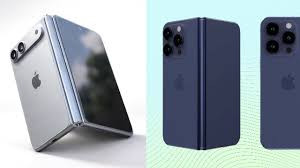
IIE DIGITAL DESK : Tech giant Apple is reportedly advancing its long‑anticipated entry into the foldable smartphone market with a potential new model dubbed the “iPhone Fold,” which could launch later this year alongside the upcoming iPhone 18 Pro series. According to a recent tip, Apple may employ a 3D‑printed hinge in the device to significantly reduce the visible crease that typically forms on foldable screens — a persistent challenge for foldable phones.
The suggestion that Apple would use a 3D‑printed hinge comes from a China‑based tipster post shared online, indicating the company is exploring advanced hinge materials and mechanisms to keep the fold less noticeable and smoother in everyday use. If accurate, this would mark one of the earliest reported uses of 3D printing technology in a major structural component of a smartphone hinge assembly.
Industry insiders note that Apple already has experience with 3D printing in other product areas, such as accessory components, and tapping this technology for the hinge could help engineer tighter tolerances and precision manufacturing that traditional methods struggle to achieve. Analysts speculate that this innovation could help Apple compete against existing foldable models from rivals such as Samsung Galaxy Z Fold, where crease visibility remains a common criticism.
The iPhone Fold is also widely expected to feature a book‑style fold, offering a larger interior display and a smaller exterior screen, potentially positioning it as a device that bridges the gap between phone and tablet functionality. Earlier reports suggest dual‑layer glass designs and other structural refinements are being explored to bolster durability and display performance.
Though Apple has not confirmed details about the foldable iPhone’s specifications or launch timeline, the use of 3D‑printed hinge technology highlights the company’s efforts to tackle one of the key engineering hurdles in foldable device design — achieving a virtually crease‑free display without compromising structural integrity.
You might also like!