Iran Erupts After Death of IRGC Spokesman in US-Israel Strike, Warns UK Against Military Support
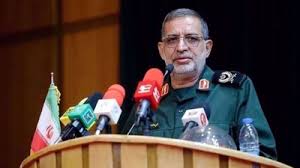
IIE DIGITAL DESK : Tensions in the already volatile Middle East have escalated sharply following the reported death of Iranian military spokesman Ali Mohammad Naini in a joint strike allegedly carried out by the United States and Israel. Iranian national media confirmed the development on Friday, triggering strong reactions within the country’s leadership and raising fears of a wider regional conflict that could potentially draw in global powers, including the United Kingdom.
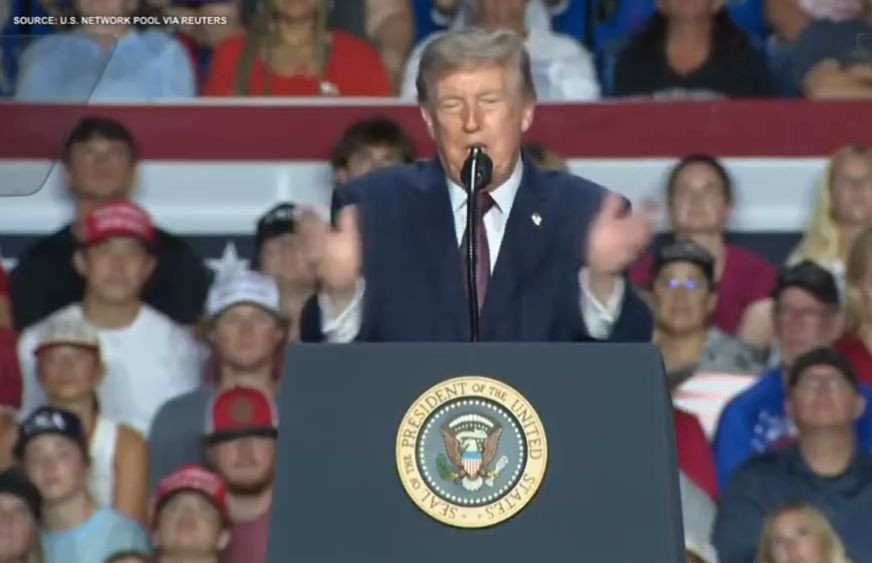
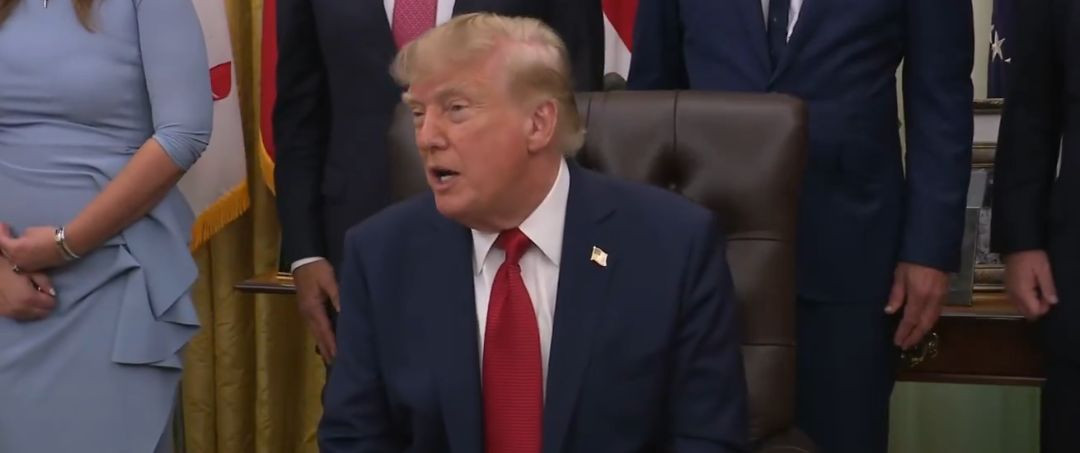
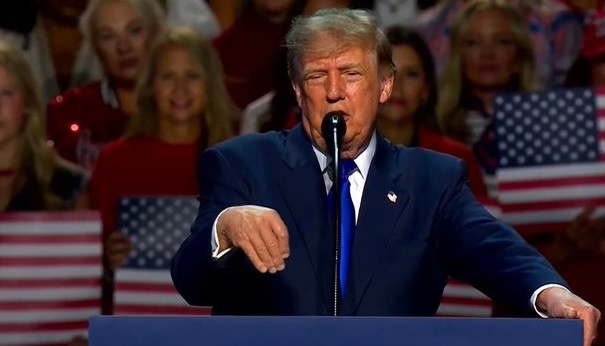
Naini, a prominent voice of the Islamic Revolutionary Guard Corps, had recently made headlines for openly challenging former US President Donald Trump. In a defiant statement issued just days before his death, he had dared the United States to send naval forces into the Persian Gulf if it truly believed Iran’s naval strength had been neutralized. His remarks were seen as a direct response to Trump’s earlier claims that American and Israeli operations had effectively dismantled Iran’s naval capabilities.
The killing of Naini appears to have intensified hostilities, with Iran signaling a strong retaliatory posture. The situation is further complicated by the ongoing strategic standoff in the Strait of Hormuz, a critical global oil transit route that Iranian forces have reportedly been controlling amid rising tensions. The disruption in this region has already had ripple effects on global energy markets, pushing up oil and gas prices and raising concerns about supply stability.
Iran has issued a stern warning to the United Kingdom. Iranian Foreign Minister Amir Araqchi reportedly held a phone conversation with UK Home Secretary Yvette Cooper, cautioning that any form of British military assistance to the United States would be met with serious consequences. Tehran has made it clear that if the UK aligns militarily with Washington and its allies, it risks being treated as a direct participant in the conflict.
The warning comes in response to broader calls from Trump urging NATO members and allied nations—including countries such as the UK, France, Japan, and South Korea—to deploy naval assets to the region in an effort to counter Iran’s actions. However, reports suggest that none of these nations have yet committed to direct military involvement, reflecting the high stakes and risks associated with further escalation.
The geopolitical climate has become increasingly fragile, with fears mounting that the conflict could expand beyond the Middle East. Reports have also indicated the possibility of retaliatory strikes by Iran targeting Israeli locations in response to Naini’s death, further heightening regional instability.
The situation underscores the of a broader international confrontation. With key global players being drawn into the narrative, the coming days will be crucial in determining whether tensions can be de-escalated or spiral into a larger conflict with far-reaching consequences for global security and energy markets.
You might also like!