Madhya Pradesh Chemists Unite Against E-Pharmacy, Demand Strict Regulation
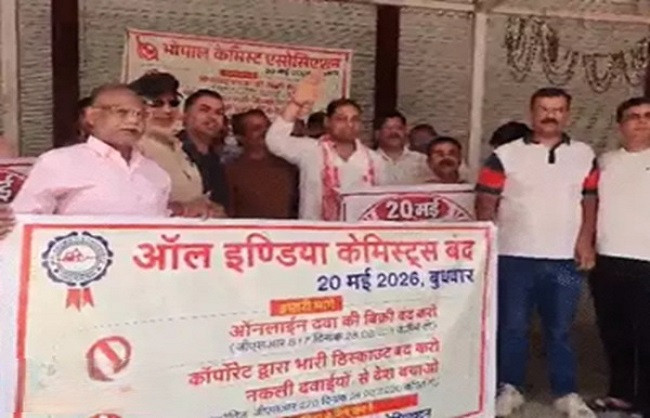
IIE DIGITAL DESK : Madhya Pradesh as chemists protested against the growing expansion of online medicine sales and e-pharmacies. Under the call of the All India Organisation of Chemists and Druggists (AIOCD), nearly 41,000 medical stores across the state remained closed for a day, marking one of the largest coordinated shutdowns by the sector in recent times.
The state capital Bhopal alone, more than 3,000 pharmacies were shut from the morning, significantly affecting patients and their families. Although hospital-based medical stores were kept outside the strike to ensure emergency supply, many patients still faced severe inconvenience in accessing essential medicines.
The strike saw strong mobilisation in wholesale medicine markets where traders gathered early in the day and later marched to the district collector’s office. A memorandum was submitted to District Collector Priyank Mishra, with leaders of the association arguing that uncontrolled online sale of medicines poses a direct risk to public health. According to AIOCD representatives, there is inadequate regulatory oversight over the quality and distribution of drugs sold online, raising safety concerns.
Similar protests were reported in several districts. In Khandwa, medical association members demonstrated under the leadership of Govardhan Golani, submitting their objections to authorities and claiming that e-pharmacy operations are functioning without proper legal framework. They argued that relaxations given during the COVID-19 pandemic have now been misused, allowing easy access to prescription drugs without medical consultation, including abortion pills and addictive substances, which they say could endanger young people.
Shajapur, chemists protested against aggressive discounting policies offered by online platforms and submitted a memorandum demanding regulatory action. In Maihar district, traders also joined demonstrations and submitted a representation addressed to the Prime Minister, highlighting concerns about the impact of e-pharmacies on local businesses. Reports indicated that in Maihar city alone, around 80 medical shops remained closed out of more than 500 in the district.
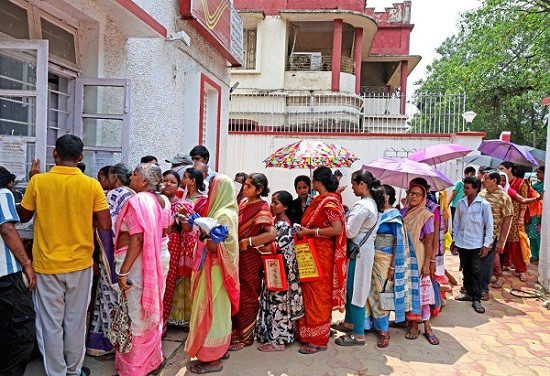
The strike caused widespread difficulties for patients, particularly those dependent on local pharmacies for regular medication. In Gwalior, elderly residents searching for essential medicines reported being unable to find any open stores, raising fears about health deterioration in critical cases. Local pharmacy associations claimed that over 2,200 wholesale and retail shops in the district participated in the shutdown.
Gunna district, traders organised a large motorcycle rally from key city points to the collectorate as part of their protest against e-pharmacies. In Pandhurna as well, around 150 shops remained closed, leading to a surge of patients at government hospitals due to the lack of access to private pharmacies.
While the strike caused widespread disruption, medical associations maintained that their demand is aimed at protecting public health and ensuring proper regulation of online medicine sales. However, they also warned that if the government fails to completely restrict unregulated e-pharmacy operations, they may escalate their agitation further in the coming days.
To manage emergency situations during the shutdown, district administrations and associations jointly set up special task forces and helpline numbers. Efforts were also made to ensure adequate medicine supplies in hospital pharmacies so that critical patients could continue receiving essential treatment.
You might also like!