Tensions Escalate in Gulf as Iran and U.S. Exchange Strikes Amid Ongoing Peace Talks
IIE DIGITAL DESK ; Tehran/Washington, May 8 : The tensions erupted between Iran and the United States across the Gulf region, from Tehran to the Strait of Hormuz, even as diplomatic efforts for de-escalation were reportedly underway. The latest flare-up comes amid mutual accusations of military strikes targeting naval and coastal assets on both sides.
Iranian military officials claimed that U.S. forces carried out strikes on an Iranian oil tanker in coastal waters as well as another vessel near the port of Fujairah in the United Arab Emirates. Tehran further alleged that American airstrikes targeted several civilian areas, including the southern Iranian regions of Bandar Khamir, Sirik, and Kishm Island. Iranian authorities stated that these attacks were met with an appropriate retaliatory response.
The U.S. Central Command said its actions were taken strictly in self-defence after Iranian naval forces allegedly launched coordinated attacks using missiles, drones, and fast-attack boats targeting American forces in the Strait of Hormuz. Following these developments, the U.S. military reportedly struck Iranian military installations in response.
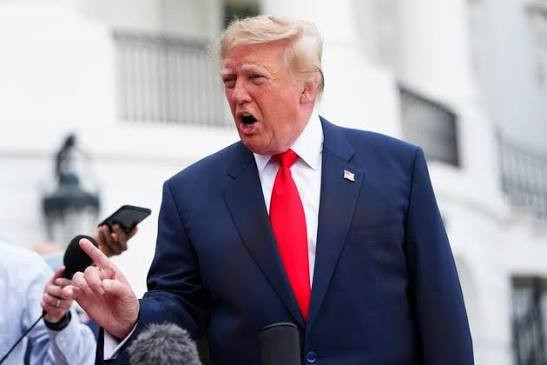
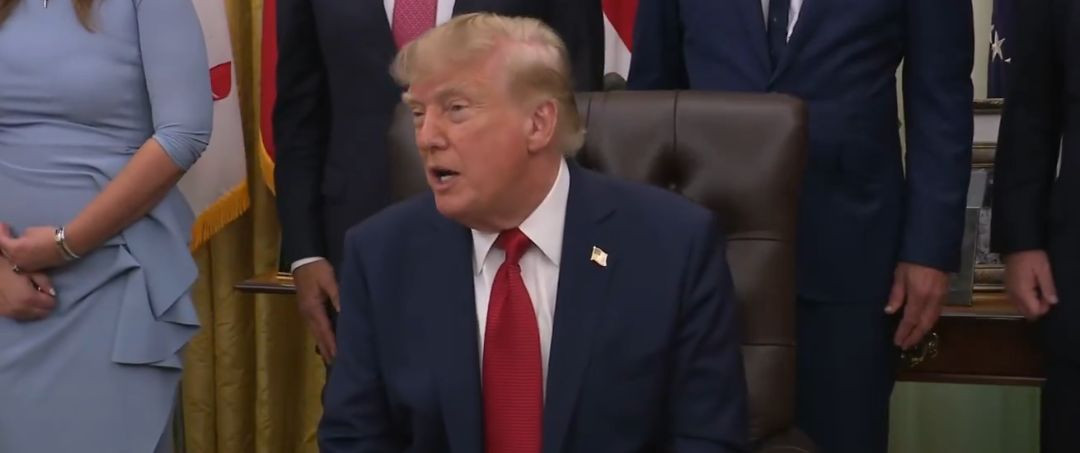
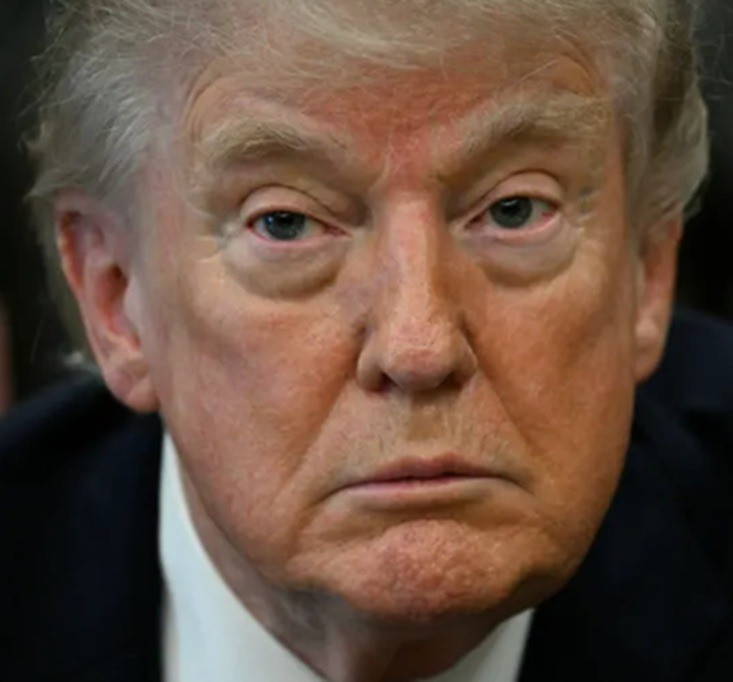
U.S. President Donald Trump described the American military action as a “love tap,” asserting that while a ceasefire or military pause remains in place, Iran had initiated hostilities. He added that the United States responded accordingly but emphasized that diplomatic negotiations to end the conflict were still progressing in a positive direction.
Iran, meanwhile, has claimed that it is moving towards asserting formal control over strategic maritime operations in the Strait of Hormuz. According to shipping intelligence sources, the key waterway has been heavily restricted, with reports indicating that maritime traffic has been effectively disrupted. Iran has also reportedly established a new authority to regulate vessels passing through the route.
The escalation has already impacted global energy markets, with Brent crude oil prices surging close to $100 per barrel, compared to around $70 prior to the conflict escalation, reflecting growing fears of supply disruption through one of the world’s most critical oil transit routes.
Explosions were reported overnight in several parts of Iran, including Tehran, Minab, and Bandar Abbas, prompting activation of air defence systems. Iranian military officials confirmed strikes on Bandar Khamir and Sirik, adding that two Iranian vessels had been damaged in the attacks.
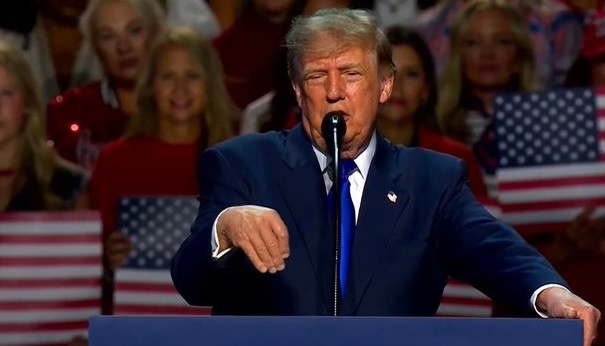
On the other hand, President Trump claimed on social media that three U.S. naval warships safely transited the Strait of Hormuz and successfully intercepted and destroyed Iranian drones, missiles, and fast boats attempting to engage them. He warned that failure to reach a swift agreement could result in further military escalation.
Iranian President Masoud Pezeshkian, however, maintained that the Islamic Republic would not yield to foreign pressure and declared that the country remains fully prepared to respond to any scenario, further intensifying concerns over a prolonged regional confrontation.
You might also like!