Ceasefire Likely to Be Extended as US–Iran Talks Face Uncertainty Ahead of Second Round, Says Former CENTCOM Chief
IIE DIGITAL DESK : April 21: The ongoing two-week ceasefire between the United States and Iran is set to expire on Wednesday, but expectations are growing that it may be extended amid continued diplomatic engagement between the two sides. Former commander of the US Central Command, David H. Petraeus, has suggested that there is a strong possibility of an extension as both countries appear willing to continue discussions.
Despite tensions and recent setbacks, both Washington and Tehran remain interested in keeping diplomatic channels open. His remarks come at a crucial moment as preparations are underway for a second round of talks following an inconclusive first meeting held in Islamabad.
The initial negotiations between the two countries, mediated in part by Pakistan, failed to produce any concrete outcome. The discussions reportedly collapsed after Iran declined to accept several US proposals, while Tehran countered that the breakdown was due to a lack of genuine intent from Washington. Since then, tensions have escalated further, with the United States reportedly increasing pressure in strategic areas including maritime routes.
One of the key flashpoints remains the Strait of Hormuz, where heightened tensions have already disrupted regional stability. The situation has added urgency to ongoing diplomatic efforts, with fears of renewed confrontation if talks fail.
Pakistan continues to play a mediating role between the two countries and has expressed optimism that a breakthrough could still be achieved in the upcoming round of negotiations. However, no official date has been confirmed for the next meeting, adding to the uncertainty surrounding the process.
Iran, has signalled hesitation over participation in the next round of talks. Iranian Foreign Ministry spokesperson Ismaili Baghaei stated that no final decision has been made regarding attendance. Earlier, Iran’s parliamentary leadership had made it clear that negotiations under pressure or threats would not be acceptable, further complicating the diplomatic landscape.
The uncertainty comes at a time when the ceasefire deadline is approaching, raising global concerns over the potential for renewed escalation. Former officials and analysts believe that the outcome of the next diplomatic steps could significantly influence regional stability.
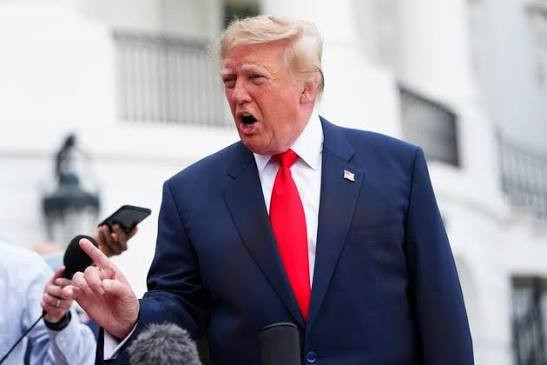
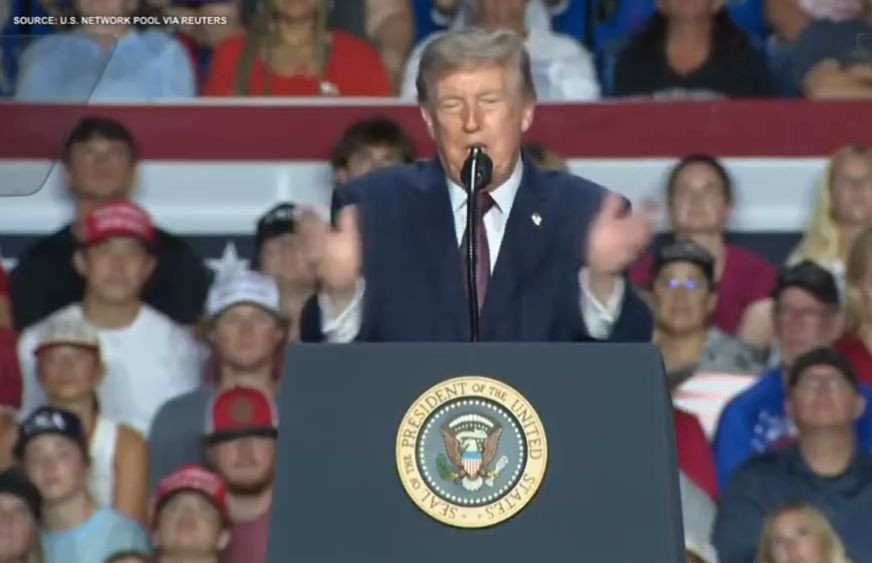
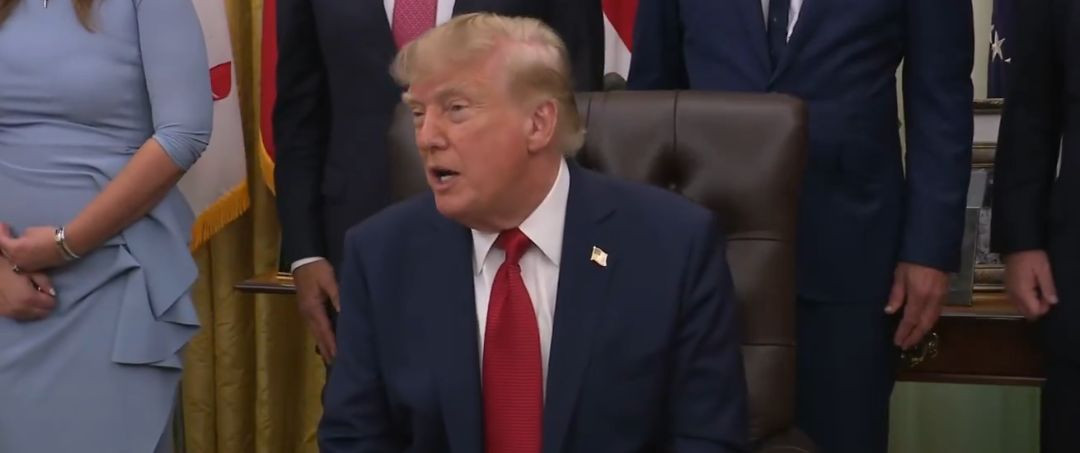
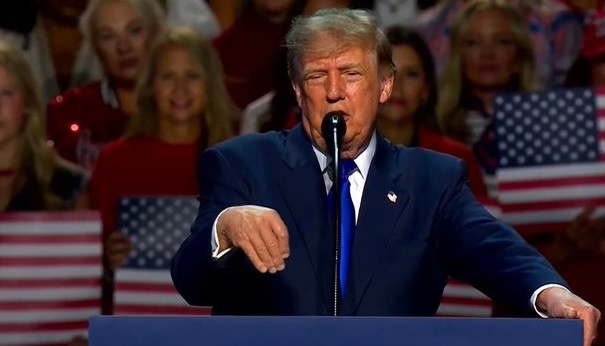
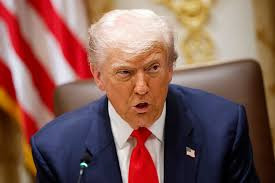
The geopolitical tension, former US President Donald Trump had previously warned that military action could resume if Iran failed to comply with US expectations. When asked about a possible extension of the ceasefire, Trump refrained from giving a direct answer, instead suggesting that future decisions would depend on prevailing circumstances.
The United States has outlined key demands, including reducing Iranian influence over the Strait of Hormuz and addressing concerns related to enriched uranium stockpiles. However, analysts note that these remain highly sensitive issues and were among the primary sticking points in the failed first round of talks.
With the second round of negotiations still uncertain and the ceasefire nearing its end, international observers are closely watching developments. Reports also suggest that US Vice President J.D. Vance may soon travel to Pakistan, where he is expected to represent Washington in diplomatic engagements, further indicating continued US interest in keeping dialogue alive.
The deadline approaches, the future of the ceasefire and the broader US–Iran diplomatic process remains uncertain, with hopes for de-escalation balanced against persistent political and strategic disagreements.
You might also like!