Devotees Flock to Tarapith on Falaharini Amavasya, Offer Fruits and Special Rituals to Maa Tara
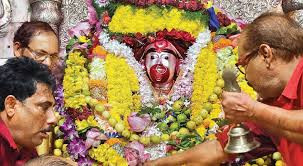
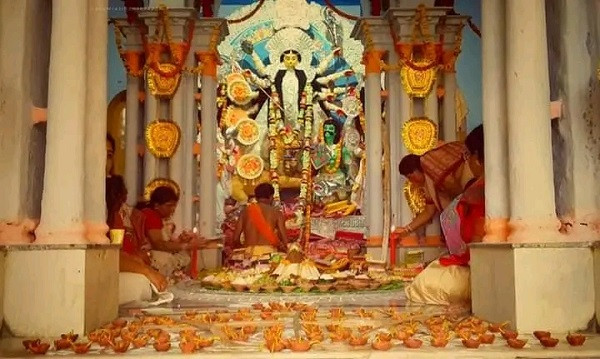
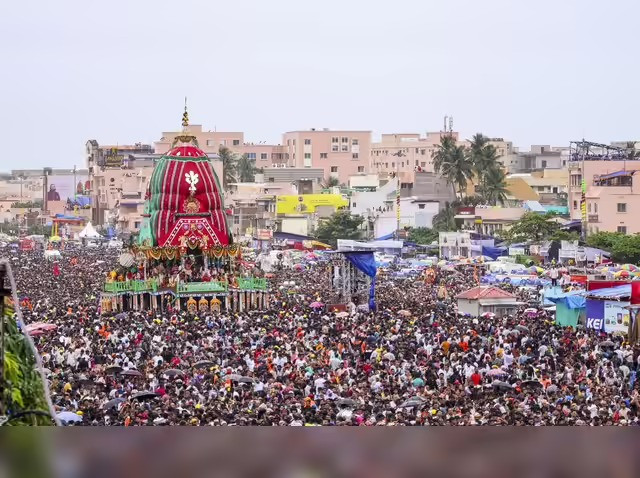
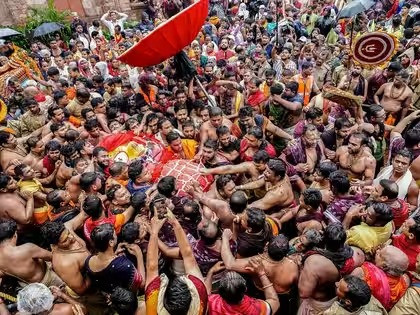
IIE DIGITAL DESK : The occasion of Falaharini Amavasya, thousands of devotees gathered at the sacred shrine of Tarapith from early Saturday morning, creating a deeply devotional atmosphere marked by chants, offerings, and traditional rituals. The temple town witnessed heavy footfall as worshippers offered seasonal fruits to Maa Tara, praying for transformation of misfortune into blessings.
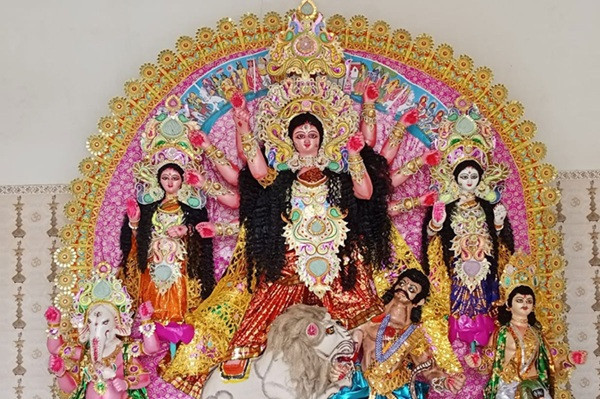
The day holds special significance in the Hindu lunar calendar as Falaharini Kali Puja is observed on the Krishna Paksha Amavasya of the Jyeshtha month. Devotees believe this is an especially powerful night when divine energy is at its peak and prayers offered to the goddess are most fruitful. According to tradition, Maa Tara, regarded as a fierce yet benevolent form of Goddess Kali, embodies both destruction of negativity and protection of devotees.
Throughout the day, devotees performed rituals by decorating the deity with various seasonal fruits, offering sets of five or nine fruits as part of their prayers. The temple atmosphere was filled with continuous chants of “Jai Maa Tara,” as devotees queued in large numbers for darshan. The deity was also adorned with elaborate fruit-based decorations, including garlands and ornaments prepared for the special occasion.
Special bhog offerings were planned for the afternoon and night, including rice, dal, vegetables, polao, multiple fried items, sweets, payesh, and traditional preparations such as roasted fish. As part of long-standing temple customs, offerings also included meat from ritual sacrifices, which is dedicated to the deity as per traditional practice observed in the region.
Temple authorities confirmed that additional arrangements had been made to handle the massive influx of pilgrims. According to a senior sevait representative, the temple would remain open as long as devotees continued to arrive, ensuring that no worshipper is turned away without darshan. He further emphasized that special fruit-based worship was being conducted throughout the day, with major offerings scheduled for later in the evening.
To manage the crowd, extensive arrangements involving temple committees, police administration, and volunteer groups have been implemented. Enhanced security measures have been put in place across the temple premises to ensure smooth conduct of rituals and safe movement of pilgrims during one of the most significant spiritual gatherings of the year.
You might also like!