Saudi Influence Behind Trump’s Iran War, Expert Says, As Middle East Conflict Escalates
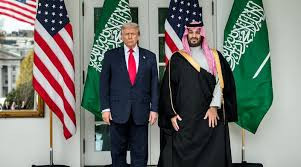
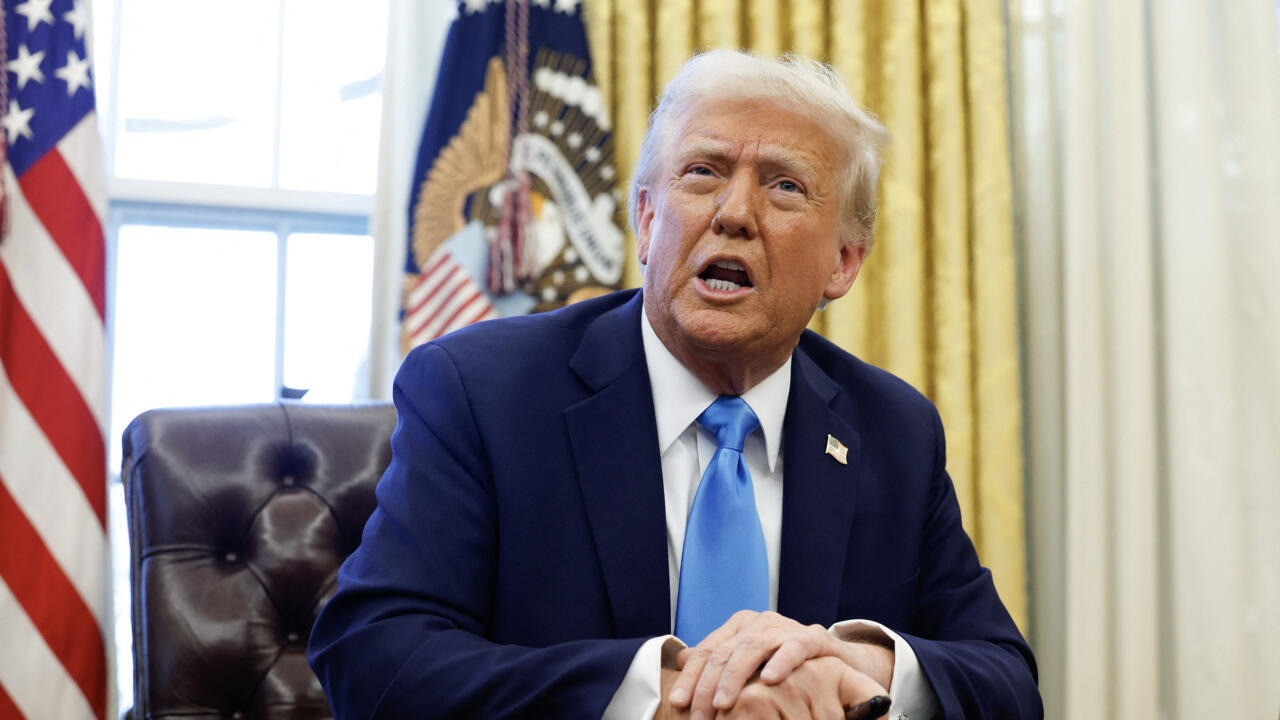
IIE DIGITAL DESK : The 2026 Iran war rages across the Middle East, a provocative and complex narrative has emerged suggesting that the conflict is not just a simple showdown between Tehran, Washington and Tel Aviv, but also involves deep and less visible geopolitical forces — especially involving Saudi Arabia’s strategic role in shaping U.S. decision‑making. According to opinion columnist Tara Kartha, the widely understood narrative of Israel’s powerful influence on U.S. policymakers only tells part of the story; Saudi Arabia’s clout in Washington may be a crucial but overlooked element driving the current war posture.
The conflict that erupted on 28 February 2026, when the United States and Israel launched surprise strikes deep into Iranian territory, was framed by official spokespeople as a response to security threats posed by Iran’s missile capabilities and its nuclear program. Since then, repeated Iranian retaliatory attacks involving missiles and drones have swept across Israel and other parts of the region, expanding the war’s footprint to the Gulf Cooperation Council states and beyond.
What Kartha’s analysis highlights is that this confrontation may not be solely rooted in U.S. security interests or Israeli lobbying strength, but also in a strategic alignment with Saudi Arabia that pre‑dates the conflict and may have helped push the U.S. toward military action. The columnist argues that while Riyadh publicly advocates diplomacy and even downplays the risk of direct war, behind the scenes it may have been pressuring U.S. leadership to adopt a hard line against Iran — a country Saudi Arabia perceives as a long‑term strategic competitor.
The operation of Saudi oil infrastructure, such as the East‑West and Abu Dhabi Crude Oil pipelines, which bypass the crucial Strait of Hormuz — a narrow chokepoint through which around 20 % of the world’s seaborne oil and gas trade passes. Iran’s threat to disrupt shipping through the strait has major implications for global energy markets and for Gulf states themselves. Saudi Arabia’s ability to move crude outside the Hormuz bottleneck may reduce the immediate pressure on Riyadh, even as the war threatens broader disruption.
The intertwining of U.S., Israeli and Saudi interests is underscored by their shared concern over Iran’s regional influence, particularly its backing of militias such as Hezbollah in Lebanon and its support for the Houthi movement in Yemen. These dynamics are part of a long‑running strategic competition between Iran’s Shia‑aligned axis and the predominantly Sunni states of the Gulf — in which both Riyadh and Tel Aviv view Tehran’s power projection as a destabilizing force.
The public positions of these powers often diverge from private calculations. While Saudi Arabia and other Gulf states publicly emphasize restraint and diplomacy, Kartha suggests their behind‑the‑scenes engagements with U.S. defense and energy leadership may reflect a “now or never” calculation about containing Iranian capabilities before they grow further. This could help explain why a U.S. administration that had previously vowed to avoid foreign wars altered its posture so drastically, instead backing military action that risks drawing America into a protracted and costly conflict.
The broader 2026 Iran war is already having grave consequences across the region. Iran’s missile and drone strikes have hit not only Israeli territory but also U.S. military assets and allied states throughout the Middle East, while Houthi and other regional actors have engaged in maritime attacks that imperil global trade. The closure of the Strait of Hormuz by Iranian forces has further strained energy markets, contributing to sharp increases in global oil prices and economic uncertainty.
Critics of the conflict argue that the U.S. and its allies may have misjudged both the threat posed by Iran and the likely fallout of military intervention. Some former U.S. officials have publicly protested the war, asserting that Iran did not present an imminent threat that justified such extensive military engagement, and that powerful lobbying efforts — both Israeli and Saudi — played a part in shaping policy decisions that have now led to widespread regional destabilization.
What emerges from this multilayered picture is that the Iran war cannot be understood in isolation from the broader geopolitical contest for influence in West Asia. The roles of Saudi Arabia, Israel and the United States are deeply interconnected, with energy security, regional rivalries, military strategy and domestic politics all woven into the fabric of the conflict. As the war continues to unfold, analysts warn that the intersection of these competing priorities makes a swift diplomatic resolution unlikely, and raises urgent questions about the long‑term consequences for regional stability and global economic security.
You might also like!