Israel–Iran War Forces India to Rethink Energy Security Strategy
IIE DIGITAL DESK : The ongoing conflict involving Israel and Iran has triggered a deep reassessment of India’s energy security, exposing vulnerabilities that go far beyond rising fuel prices. As geopolitical tensions disrupt global oil and gas flows, policymakers and experts are increasingly questioning whether India’s current energy strategy is resilient enough to withstand prolonged crises.
The centre of the concern is India’s heavy dependence on energy imports, particularly from the Middle East. A significant portion of the country’s crude oil and liquefied natural gas supplies passes through the strategically critical Strait of Hormuz, a narrow maritime route that has been severely affected by the ongoing conflict. Disruptions in this corridor have already led to sharp declines in shipping traffic and raised fears of supply shortages, pushing global oil prices higher and creating uncertainty for import-dependent economies like India.
Recent developments underline the scale of the threat. Attacks on energy infrastructure across the Gulf region and retaliatory strikes have damaged production and export facilities, while some shipments have been halted altogether. This has not only driven up prices but also exposed how quickly global supply chains can be destabilized by regional conflicts.
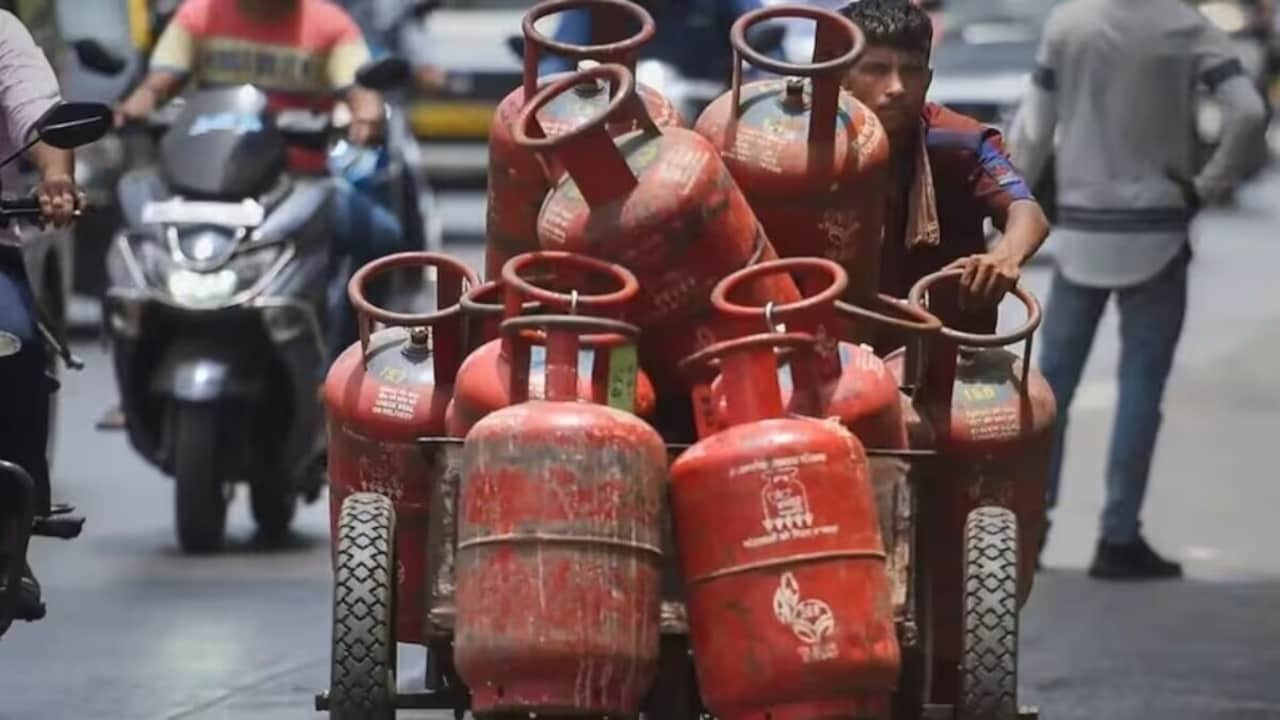
India, the implications extend beyond immediate fuel costs. The country imports a large share of its energy needs, making it vulnerable to both price shocks and physical supply disruptions. While officials maintain that reserves and diversified sourcing—including increased imports from Russia—offer some cushion, the crisis highlights the limits of relying heavily on external suppliers.
The conflict has also demonstrated that energy security is closely tied to broader economic stability. Rising fuel prices impact inflation, manufacturing, transportation, and even household consumption. In recent days, disruptions have already begun affecting sectors like automobiles and industry, showing how energy shortages can ripple across the economy.
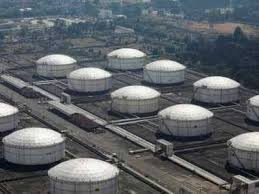
Experts argue that India must adopt a more balanced and forward-looking strategy. While renewable energy and clean technologies are essential for the future, the current crisis shows that hydrocarbons will remain critical for decades. Strengthening domestic exploration, investing in overseas energy assets, and building strategic reserves are seen as necessary steps to reduce vulnerability.
The same time, diversification of supply sources and routes is becoming increasingly important. Expanding imports from regions outside the Middle East, enhancing storage capacity, and securing long-term contracts could help mitigate risks. There is also a growing push to accelerate the transition to alternative energy sources, including nuclear and renewables, to reduce dependence on volatile global markets.
The Israel–Iran conflict has served as a wake-up call for India. It has revealed that energy security is not just about availability or price, but about resilience, diversification, and strategic foresight. As global uncertainties continue to rise, India’s ability to adapt its energy policy will be crucial in safeguarding its economic stability and long-term growth.
You might also like!