Nepal’s Gen Z‑Led Party Scores Historic Victory as Young Leader Takes Office
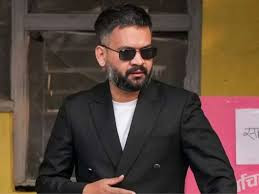
IIE DIGITAL DESK : Nepal, voters have handed a decisive victory to a young, recently formed political party led by a 35‑year‑old former rapper‑turned‑politician, marking a breakthrough for Generation Z in the Himalayan nation’s politics. The election, held in the aftermath of large youth‑led protests last year, saw widespread frustration with long‑dominant parties like the Nepali Congress and the Communist Party of Nepal (UML), which had controlled Nepal’s political landscape for nearly three decades.
Balendra Shah, popularly known as “Balen,” who previously served as mayor of Kathmandu, led the Rastriya Swatantra Party (RSP) to a sweeping win, unseating seasoned politicians including four‑time prime minister KP Sharma Oli. The RSP appears poised to secure a commanding majority in the 275‑member lower house of Parliament, reflecting a powerful desire among voters—including nearly a million first‑time voters—for generational change and fresh leadership.
The election outcome represents a stark contrast to recent elections in neighbouring South Asian countries, where established parties retained power despite youth‑led protests. Analysts say Nepal’s result underscores deep public disillusionment with traditional elites, who were widely criticised for failing to address corruption, nepotism, and economic stagnation.
With a young and aspirational population, the RSP’s victory signals high expectations from a generation hungry for jobs, improved healthcare and education, and accountability in governance. However, turning voter enthusiasm into effective governance will require a new, nuanced approach that goes beyond protest rhetoric to practical policymaking and economic reform.
The shift also alters Nepal’s political narrative, moving the focus from traditional fault lines such as foreign policy binaries to core governance issues that directly affect everyday life. For neighbouring countries like India, building constructive relations with Nepal’s new leadership will be a priority as the regional dynamics evolve.
You might also like!