West Asia War Enters Uncharted Waters as Conflict Spreads Beyond Traditional Boundaries
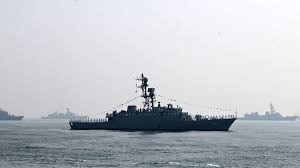
IIE DIGITAL DESK : The ongoing war in West Asia has taken a dramatic and alarming turn, moving far beyond its initial theatres of conflict and raising global security concerns as it expands into previously unaffected regions. What began primarily as a confrontation between the United States, Israel and Iran has now spread into the Indian Ocean and beyond, pushing the crisis into uncharted strategic territory and sparking criticism, diplomatic unease and fears of wider escalation. At the heart of this shift is the sinking of the Iranian warship IRIS Dena by a US nuclear submarine off the coast of Sri Lanka, an action that has widened the battlefield and drawn India’s neighbourhood into the fray.
The early hours of March 4, a United States Navy submarine fired a torpedo that struck the Iranian frigate IRIS Dena in international waters near Galle, Sri Lanka. The attack, confirmed by both the Pentagon and independent reports, marked the first time since World War II that a US submarine had sunk an enemy surface vessel, and one of the deadliest single incidents of the conflict, killing at least 87 Iranian sailors and leaving dozens more missing and injured. The warship had been returning from the multinational ‘Milan’ naval exercise hosted by India, where navies from over 70 countries participated, and which Iran joined as part of its diplomatic and maritime outreach efforts.
Iran condemned the strike as an “atrocity at sea” and described the vessel as having been a guest of the Indian Navy, a diplomatic nuance that has further complicated regional reactions. Tehran’s foreign ministry warned that the United States “will bitterly regret” its actions, and Iran’s military forces have since launched attacks on Western maritime traffic in response, heightening instability in critical waterways like the Strait of Hormuz.
The sinking of the IRIS Dena has also drawn sharp critique from editorial voices and geopolitical commentators, especially in India. Major English-language newspapers have labelled the submarine strike as reckless and unlawful, arguing that it recklessly expanded the conflict and brought the war uncomfortably close to India’s strategic maritime zone. These editorials further warn that the conflict’s expansion threatens vital seaborne commerce and could disrupt regional stability at a time when diplomatic solutions are urgently needed.
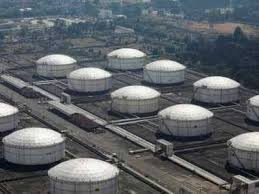
Beyond naval battles, the conflict’s wider dimensions are becoming evident across West Asia and beyond. Joint US-Israeli airstrikes have targeted Iranian military and strategic sites, and Iran has retaliated with missile and drone attacks on US and Israeli positions in neighbouring Gulf states, including the UAE, Qatar and Bahrain. Attacks on additional oil tankers and infrastructure in the Gulf have disrupted global trade and energy supply lines, with the Strait of Hormuz—through which about 20 per cent of the world’s daily oil supply transits—experiencing dramatic reductions in shipping traffic. These developments have contributed to sharp increases in global fuel prices and stoked concern among major energy-dependent economies.
Regional governments are also responding to the war’s spillover effects. Sri Lanka has evacuated crew members from another Iranian vessel after fears of further attacks, while Gulf states continue to shore up defence and air-defence systems. The broadened scope of operations, including strikes hundreds of miles from the original conflict zone, underscores how the war has evolved from a localized crisis into a multifaceted geopolitical confrontation.
The situation continues to unfold, global leaders and military analysts are calling for heightened diplomatic engagement and restraint, stressing that military escalation alone will not bring stability. With key international sea lanes at risk and economic fallout spreading from disrupted energy markets to heightened risk premiums in global shipping and trade, the implications of this expanded war are far reaching and deeply concerning for nations well beyond West Asia’s traditional borders.
You might also like!