West Asia Crisis Tests Indian Economic Resilience and Exposes Growth Slowdown Risks

IIE DIGITAL DESK : India’s economic strength is facing a serious test as the protracted crisis in West Asia begins to show up in slowing growth data and fresh downside risks to the outlook according to a leading editorial analysis. Data and expert commentary now accumulating suggest that the geopolitical headwinds have started to affect activity in India’s economy, slowing momentum once seen as relatively strong and stable amid global uncertainties.
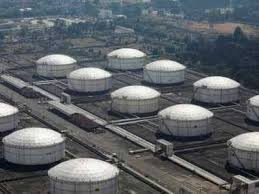
The conflict in West Asia has had broad economic repercussions because India remains heavily dependent on the region for crude oil imports, remittances, and trade. A significant portion of Indian energy needs — including nearly half of its oil imports — comes through the Gulf and the strategically vital Strait of Hormuz, making the economy particularly exposed to disruptions stemming from geopolitical tensions there.
Recent high-frequency indicators also show some early signs of weakening in the goods-producing side of the economy. A composite activity index slipped below the 50 mark in March, signalling contraction in manufacturing and infrastructure output, even as certain consumption trends stay resilient. Weak demand in industrial sectors has weighed on overall economic momentum.
Economists and rating agencies have revised growth projections downward in response to these external pressures. For instance, both international and domestic forecasters have trimmed India’s real GDP growth forecasts for 2026-27, citing elevated energy prices, rising input costs and softer private consumption amid the prolonged crisis. The outlook now reflects slower expansion than earlier projected, illustrating how global tensions can feed into domestic economic conditions.
Beyond headline growth, several other risks also loom. Higher crude prices driven by supply uncertainty could fuel inflationary pressures, complicating policymakers’ efforts to balance growth and price stability. Inflation could rise beyond targets if energy prices remain elevated, affecting household budgets and business costs.
The geopolitical shock has the potential to widen India’s current account deficit and strain fiscal balances if import costs continue to rise faster than export earnings. Some sectors, particularly those that are energy-intensive or dependent on international supply chains, face more immediate stress, which could slow investment and industrial expansion.
Despite these challenges, India’s economy still exhibits underlying resilience. Domestic demand and consumption have so far softened only modestly, and the services sector remains a source of strength. The editorial and data assessments suggest that the full impact of the West Asia crisis depends on how long the conflict persists and whether energy markets stabilise, with short-term disruptions potentially translating into longer-term structural effects.
While some early indicators show India’s growth momentum losing steam amid geopolitical headwinds, the economy has not yet succumbed to a broad-based downturn. The coming months will be key to monitoring how external shocks, inflation dynamics and domestic policy responses interact to shape India’s growth trajectory in the 2026-27 fiscal year.
You might also like!