Arms, Drugs and Missing Children: How Pilkhana in Howrah Turned into a Lawless ‘Forbidden City’

IIE DIGITAL NEWS : Narrow lanes flanked by five and six storey buildings stand so close to each other that sunlight barely touches the ground. Many of these structures have come up without sanctioned building plans, their outer walls left unfinished, plaster never applied. The congested bylanes make entry and exit difficult, and residents claim that even civic authorities hesitate to take action. In the shadows of the bustling railway hub, Pilkhana in Howrah has increasingly earned a reputation as a ‘forbidden city’, a zone where law struggles to assert itself.
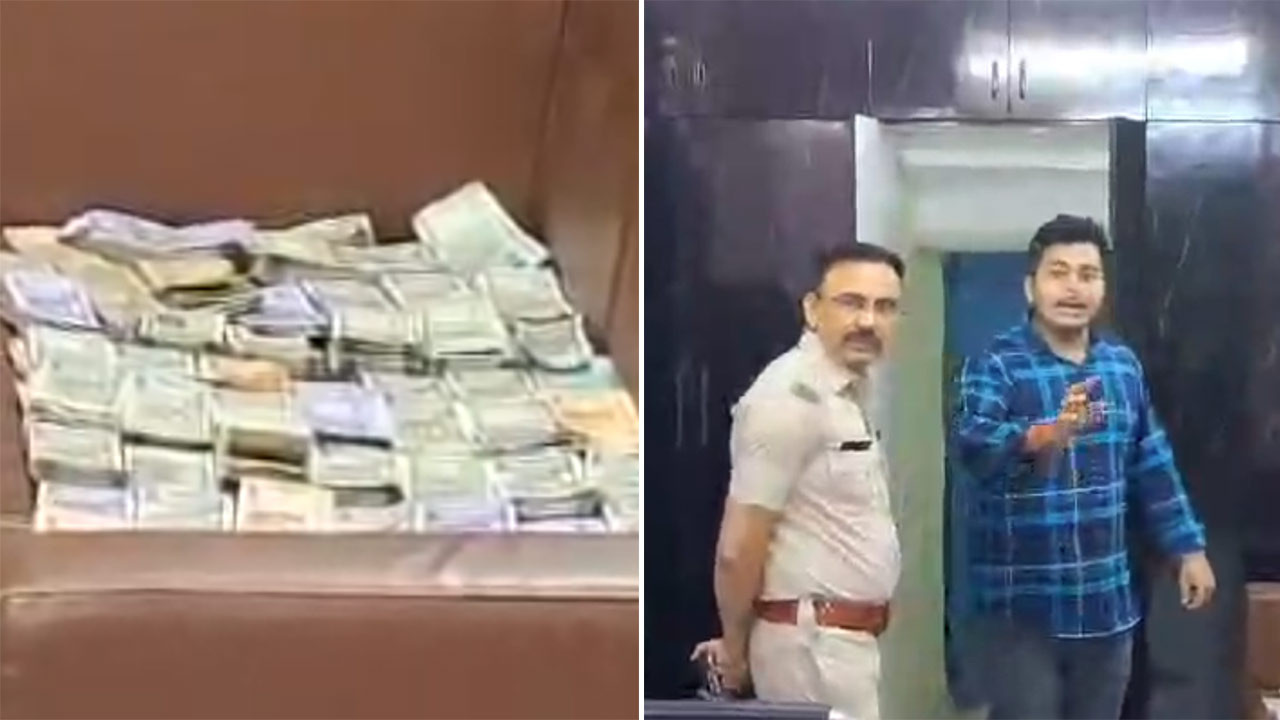
Once known for its dense working class population and even remembered in the pages of City of Joy by French author Dominique Lapierre, Pilkhana today is alleged to be a breeding ground for organised crime. Senior officers of the crime control wing under the Howrah City Police admit that illegal trade networks have operated here for years. From illicit arms dealing and narcotics trafficking to counterfeit currency circulation, the locality has reportedly become a safe haven not only for criminals from West Bengal but also from other states.
Police sources indicate that after committing crimes elsewhere, miscreants often retreat to hidden dens within Pilkhana’s maze-like settlement. Investigators also point to child trafficking rackets and fake medicine operations allegedly functioning from the area. Illegal real estate promotion has added another layer of complexity, with unauthorised constructions mushrooming rapidly. According to one officer, enforcement agencies face extreme operational challenges because of the locality’s geography and tightly knit networks that allegedly shield offenders.
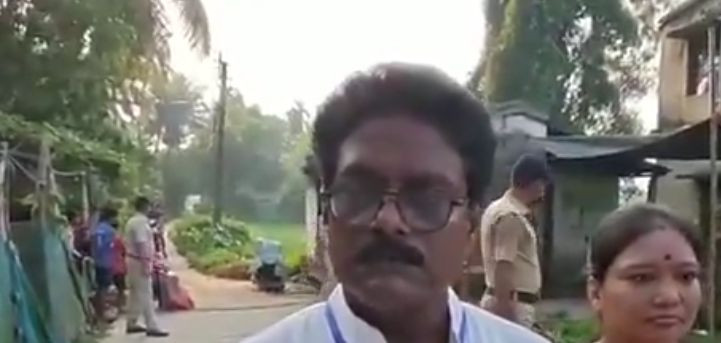
The human cost of this alleged lawlessness is stark. Sabir Ansari, once a resident of Pilkhana, recalls the day his four year old son disappeared while playing near a local mosque. His child was among 14 children from the area reported missing over the years. Court cases were filed and police investigations conducted, yet the children were never traced. Broken by the loss, Sabir eventually left Pilkhana and moved to Jagaddal. Speaking at the Howrah court premises recently in connection with a separate promoter murder case, he said leaving the area may have saved his family, though the pain of losing his son remains unbearable. He expressed anguish over seeing young boys in Pilkhana allegedly consuming drugs and carrying weapons at an early age, fearing that an entire generation is being drawn into crime.
Law enforcement officials from Golabari police station describe how the area’s proximity to Howrah railway station makes surveillance difficult. Situated along the railway tracks leading into the station, Pilkhana is allegedly used as a convenient drop point for illegal firearms sourced from places like Munger in Bihar. Officers claim traffickers sometimes slow incoming trains by pulling the chain or jump off moving trains before they reach the platform, slipping across tracks into the slum with minimal detection.
Political reactions have further intensified the debate. BJP leader Umesh Rai from North Howrah has alleged administrative failure and accused sections of the local police of turning a blind eye, calling Pilkhana a criminals’ paradise. On the other hand, Trinamool Congress leader and state minister Arup Roy has asserted that criminals will not be allowed to grow unchecked and has urged strict administrative action.
As allegations mount and stories of missing children linger unresolved, Pilkhana stands at the crossroads of memory and menace. What was once a symbol of struggle and survival now faces the pressing question of whether governance and justice can reclaim its narrow lanes from the grip of fear.
You might also like!