Iran War Casts Shadow on Indian Economy, PM Modi Pushes Ministers for Faster Reforms and Energy Preparedness
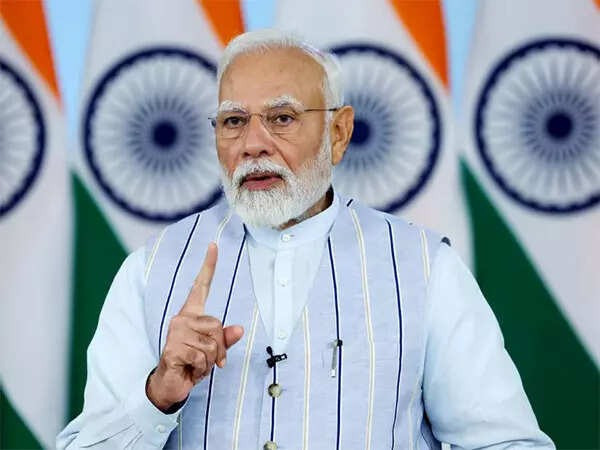
IIE DIGITAL DESK ; New Delhi, May 22: West Asia, particularly involving Iran, have begun affecting India’s economic outlook, prompting Prime Minister Narendra Modi to call for urgent reforms, faster governance, and stronger energy preparedness during a high-level meeting with Union ministers in New Delhi.
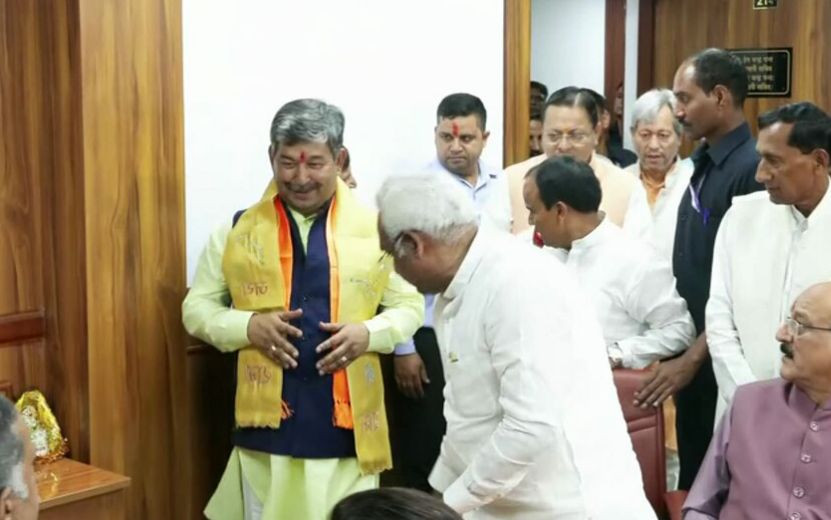
The weakening of the Indian rupee, Modi on Thursday chaired a marathon meeting with Cabinet ministers and Ministers of State at the newly established Prime Minister’s Office complex, “Seva Teerth.” The meeting reportedly lasted for nearly four-and-a-half hours and focused heavily on the economic implications of the ongoing conflict in West Asia.
The Prime Minister instructed ministers to clear pending work without delay, avoid unnecessary controversies, and concentrate entirely on governance, delivery of public services, and administrative efficiency. He stressed that files should move quickly and government functioning must become more streamlined at a time when the country is facing global economic uncertainty.
The meeting comes just ahead of Modi completing 12 years as Prime Minister next week. Sources indicated that he used the occasion to review the government’s long-term economic agenda while also preparing ministries to respond to the emerging international crisis.
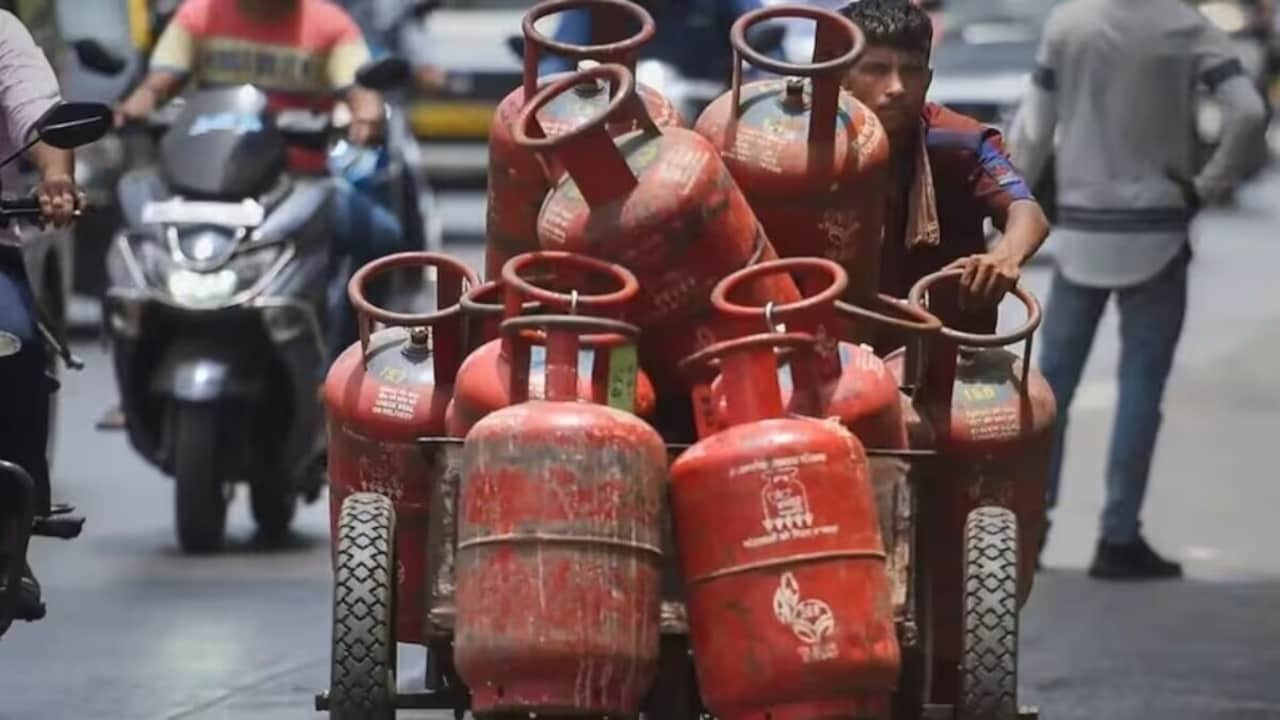
One of the major concerns discussed during the meeting was the possibility of disruptions in LPG and gas imports due to instability in the West Asian region. India imports a significant portion of its energy requirements, and any prolonged conflict affecting supply routes could trigger fuel shortages and sharp price increases.
To reduce dependence on imported fuel, Modi reportedly directed ministries to intensify efforts toward expanding domestic bio-gas production and alternative energy development. The Prime Minister had earlier appealed to citizens to adopt energy-saving measures in anticipation of possible fuel-related challenges.
Government sources also revealed that Modi spoke about accelerating what officials described as a “Reform Express,” asking every ministry to prepare reports detailing how they plan to advance economic reforms and improve administrative processes.
Economic experts believe the war situation in West Asia could significantly impact India’s inflation trajectory. Rising global energy prices may lead to higher transportation and manufacturing costs, which could eventually push up the prices of essential commodities across the country.
Analysts further warn that if inflation continues to rise, the Reserve Bank of India may be forced to intervene by tightening monetary policy and increasing interest rates. Such a move would make industrial borrowing more expensive and could slow down investment and economic growth.
Modi reportedly emphasized the need to maintain economic momentum through faster decision-making, smoother administrative procedures, and timely execution of projects. Ministers were reminded that delays in governance could directly affect the country’s growth ambitions.
The Prime Minister also reiterated the government’s long-term vision of building a “Viksit Bharat” or Developed India by 2047, marking 100 years of India’s independence. During the meeting, he reportedly told ministers that the goal is not merely a political slogan but a national commitment that requires urgency, efficiency, and continuous reforms.
Modi urged ministers to simplify bureaucratic procedures, increase productivity within limited timeframes, and ensure that important files are not held up unnecessarily. The overall message from the meeting, according to officials, was clear: in the face of global uncertainty and economic pressure, governance must become faster, sharper, and more reform-oriented.
You might also like!