
Eating Fruit on an Empty Stomach: Does It Really Increase Blood Sugar or Diabetes Risk?
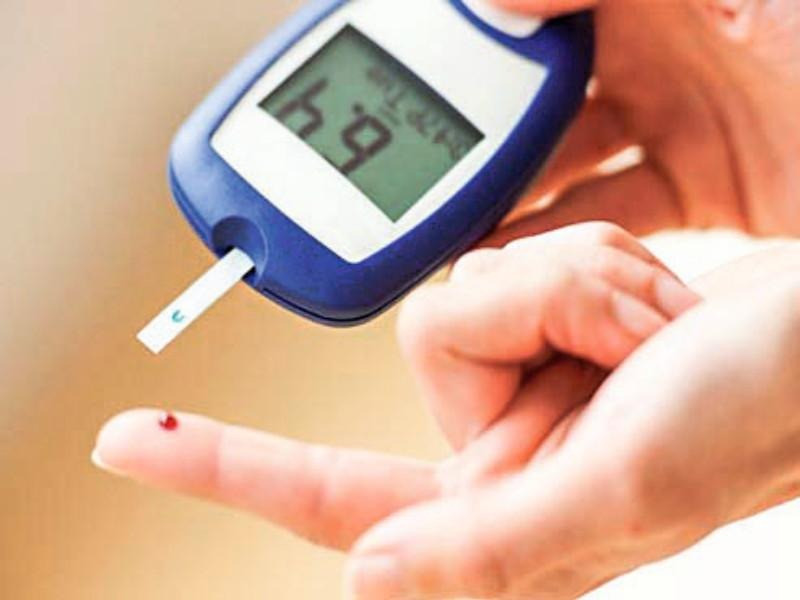
IIE DIGITAL DESK : Eating fruit on an empty stomach has long been surrounded by confusion, with many believing that it can suddenly spike blood sugar levels and increase the risk of diabetes. However, health experts clarify that this common belief is largely a myth and does not reflect how the human body actually processes natural fruit sugars.
Nutrition insights discussed in the report, fruits contain natural sugars along with fiber, water, vitamins, and antioxidants, which collectively slow down the absorption of sugar into the bloodstream. This means that unlike processed foods or refined sugar products, fruits do not typically cause sharp spikes in blood glucose when eaten alone, even on an empty stomach.
Experts further explain that the body’s response to fruit remains relatively stable whether it is consumed in the morning or as part of a meal. The fiber present in fruits plays a key role in regulating digestion and preventing sudden glucose surges. As a result, for most healthy individuals, eating fruit first thing in the day is considered safe and can even support hydration and energy levels.
The concern about diabetes risk is also addressed in the report, with specialists emphasizing that diabetes is not caused by eating fruit at specific times of the day. Instead, it is linked to long-term factors such as overall diet quality, physical activity, genetics, and lifestyle habits. Fruits, when consumed in moderation, are generally part of a healthy diet and are not associated with an increased risk of developing diabetes.
The report also highlights that misunderstanding around fruit consumption often leads people to avoid healthy foods unnecessarily. In reality, fruits provide essential nutrients that support heart health, digestion, and immunity, making them beneficial at any time of the day.
The article concludes that there is no scientific evidence supporting the idea that eating fruit on an empty stomach is harmful or that it significantly impacts blood sugar in a dangerous way for most people. Instead, balanced eating patterns and overall dietary habits matter far more in maintaining good health.
You might also like!