Trump Says U.S. Ready to Wait for Iran’s Response as Nuclear Talks Enter “Critical Phase” Amid Rising Tensions
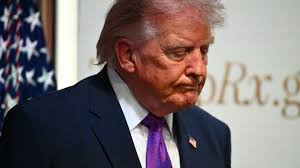
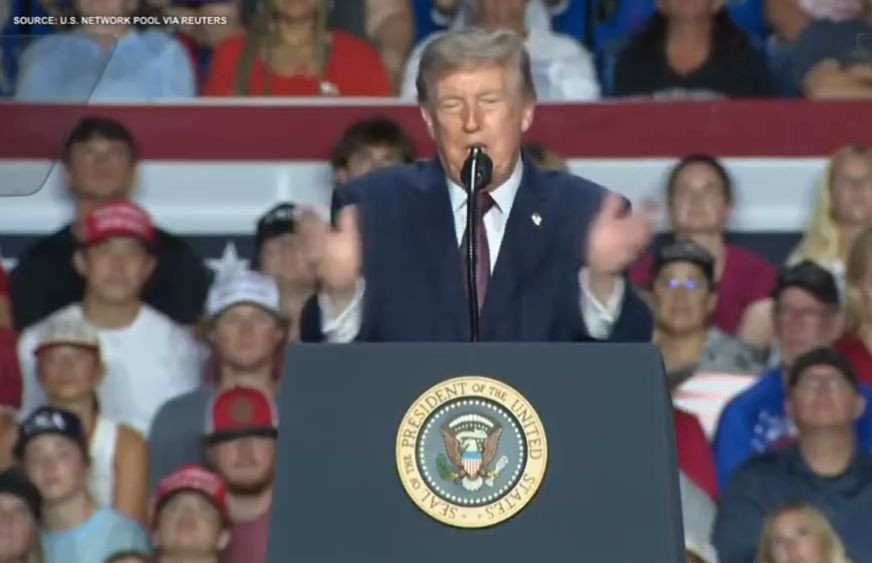
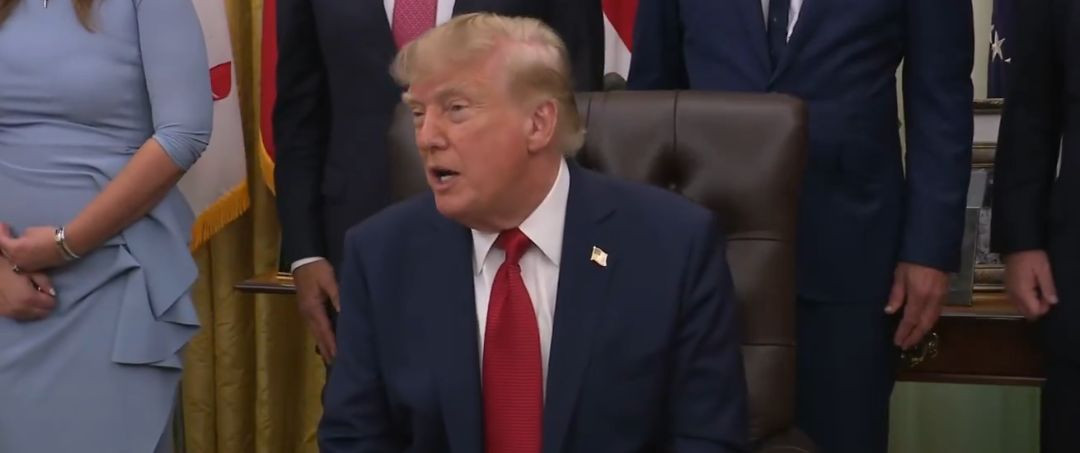
IIE DIGITAL DESK : U.S. President Donald Trump has stated that the United States is willing to “wait for a few more days” for Iran’s response as diplomatic discussions between Washington and Tehran enter what he described as a “decisive and critical phase.” His remarks come amid heightened tensions between the two countries and growing uncertainty over the future of ongoing negotiations.
Speaking to reporters at Joint Base Andrews near Washington, Trump said the situation was “on the edge,” emphasizing that Iran’s response must be “correct and satisfactory.” He warned that if the United States does not receive what it considers the right answer, “things could change very quickly” and the situation could escalate beyond control. At the same time, he stressed that diplomatic efforts have not yet collapsed and that there remains a possibility of reaching a deal.
Trump, the talks between the two sides are currently at a transitional stage—described by him as a “threshold moment” between potential renewed conflict and a diplomatic agreement aimed at ending tensions in West Asia. He added that the current Iranian representatives involved in negotiations appear more “reasonable” compared to previous officials, raising cautious optimism about the possibility of progress.
Trump also reiterated that the United States will not allow Iran to acquire nuclear weapons under any circumstances. He suggested that a final outcome is near, stating that either a deal will be reached or the U.S. will be forced to take more severe action, though he expressed hope that escalation could still be avoided. He further claimed that Iran would receive no American assistance unless a formal agreement is reached.
Earlier reports indicated that Iran had responded to a U.S. proposal through mediators, including Pakistan, but the response was reportedly not well received by the Trump administration. This was followed by warnings from Trump about possible large-scale military action, further intensifying diplomatic pressure on Tehran.
Iranian officials have issued strong counter-statements. Iran’s Parliamentary Speaker Mohammad Bagher Ghalibaf alleged that the United States may be preparing new military action, warning Washington against any renewed aggression. The Islamic Revolutionary Guard Corps (IRGC) stated that any repetition of attacks against Iran would lead to a wider regional conflict that could extend beyond West Asia.
Iran has also signaled strategic moves in the region, including plans to establish a new Persian Gulf maritime authority aimed at regulating shipping through the strategically vital Strait of Hormuz, a critical global energy transit route.
Iran’s President Masoud Pezeshkian reportedly held discussions with Pakistan’s Interior Minister Mohsin Naqvi regarding the ongoing crisis. Naqvi is said to have advised continued dialogue with the United States. However, Pezeshkian rejected the notion of forced surrender, calling it unrealistic and asserting that Iran would not bow to external pressure.
Despite the rising rhetoric and military warnings from both sides, Trump emphasized that diplomacy has not been ruled out, insisting that a mutually beneficial agreement could still be achieved—one that could save time, resources, and lives if Iran provides what the U.S. considers the “correct response.”
You might also like!