BJP Faces Rebellion in West Bengal as Candidate List Sparks Resignations and Protests
IIE DIGITAL DESK : March 17: The announcement of the Bharatiya Janata Party’s candidate list for the upcoming West Bengal Assembly Election has triggered immediate unrest within the party ranks, raising concerns for the state leadership. On Monday, BJP unveiled its nominees for 144 constituencies, relying heavily on veteran party workers while also introducing fresh faces in select seats. However, the publication of the list sparked widespread dissatisfaction, with reports of resignations and protests emerging from multiple districts.
Mahishadal constituency, the party fielded local businessman Subhash Panja as its nominee, a completely new entrant. The announcement prompted the resignation of Tamluk district organizational member Bishwanath Bandopadhyay and Mahishadal Mandal 5 secretary Deepak Kumar Jana, who cited dissatisfaction with the selection. Bandopadhyay, who had contested Mahishadal in 2021, criticized the party, alleging it had become aligned with corporate interests and declaring that he no longer wished to remain associated, having already submitted his resignation. Deepak Kumar Jana warned of further departures, suggesting that resignations could extend beyond Mahishadal to Nandigram, Haldia, Tamluk, and other districts, posing a serious challenge to party stability.
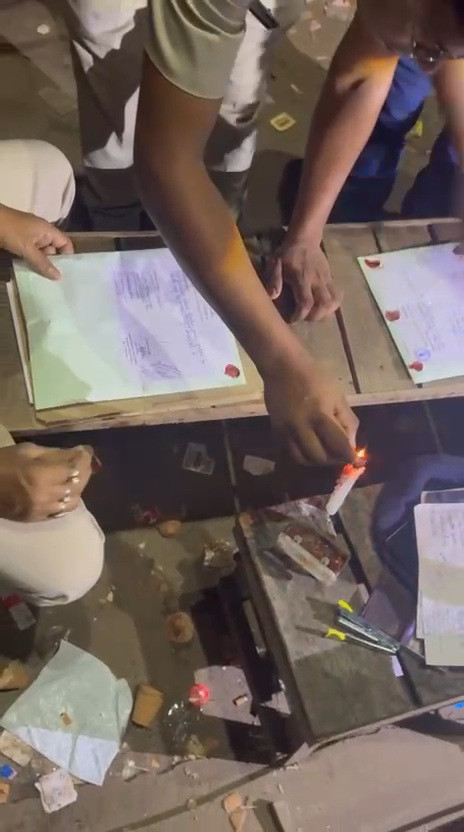
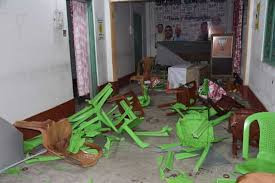
Candidate announcements also triggered violent protests in Alipurduar, where BJP nominee Paritosh Das faced rejection from party workers. Angered employees and supporters engaged in extensive vandalism at the district BJP office, setting tires on fire and demonstrating outside the premises. District president Mithu Das arrived to address the situation, assuring that the concerns of party workers would be heard while investigating the incident.
Discontent was also reported from Kumargram, where local BJP leader and former opposition member of the district council Kalpana Nag criticized the selection of party nominee Manoj Kumar Orao, referring to him as inexperienced and questioning the party’s organizational strength.
The turbulence underscores the challenges facing the BJP in West Bengal ahead of the 2026 Assembly elections. The combination of internal dissent, candidate dissatisfaction, and visible public protests highlights the party’s struggle to maintain cohesion and discipline as it seeks to expand its presence in the state. Observers suggest that how the party manages these tensions could have a significant impact on its electoral performance, particularly in constituencies where veteran leaders feel sidelined.
This wave of unrest immediately following candidate announcements marks a critical moment for BJP in West Bengal, as the party works to reconcile internal divisions while presenting a united front to voters in the run-up to one of the most closely watched state elections in recent years.
You might also like!