Election Commission Rejects Arrest Rumours Against Poet Srijato, Calls It Fake News Amid Pre-Poll Confusion
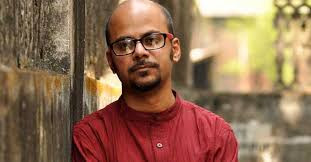
IIE DIGITAL DESK : April 22: The confusion and controversy swept through West Bengal’s political and cultural circles on Wednesday morning after reports claimed that poet Srijato Bandyopadhyay was facing an arrest warrant linked to an old case in the run-up to the Assembly elections. The rumours quickly gained traction, suggesting that action had been taken as part of strict enforcement measures to ensure free and fair polling in the state.
The unverified reports circulating in the early hours, the poet was allegedly at risk of arrest ahead of the first phase of voting in the 2026 West Bengal Assembly elections. The claims sparked immediate outrage among sections of civil society, with many cultural figures and commentators expressing concern over what they believed to be an unprecedented development involving a prominent literary voice.
The reports further suggested that the action was connected to an old legal matter and had resurfaced just before polling, triggering allegations of censorship and political pressure in the state’s election atmosphere. The timing of the alleged order led to widespread debate, with critics questioning the implications for free expression during an active electoral process.
The situation took a sharp turn within hours when the Election Commission of India categorically denied the reports. The Commission clarified that no such arrest order had been issued against the poet and described the circulating information as completely false and misleading.
The Commission strongly condemned the spread of misinformation, stating that deliberate attempts to circulate fake news ahead of elections were unacceptable and harmful to the democratic process. It reiterated that no directive of the nature being reported had been issued and urged the public and media to verify facts before sharing such sensitive information.
Following the clarification, attention shifted to how the rumour had gained momentum in the first place. The false reports had already triggered significant reactions on social media and within cultural circles, with many expressing alarm over what they initially believed to be a suppression of artistic freedom during the election period.
Srijato Bandyopadhyay himself responded to the controversy after being contacted by media outlets. Without directly confirming any legal development, he remarked philosophically on the role of poets and dissenting voices in society, suggesting that in ideal systems, poets often find little acceptance. He added that speaking openly and challenging norms is sometimes treated as an offence, hinting at broader concerns about freedom of expression.
The clarification from the Election Commission emerged, the narrative shifted from legal speculation to concerns over misinformation and its impact during sensitive electoral phases. Officials stressed the importance of responsible reporting, particularly in the days leading up to voting, when rumours can easily influence public perception.
With polling scheduled to begin shortly, authorities have reiterated their focus on maintaining law and order while also ensuring that misinformation does not disrupt the electoral environment. The incident has once again highlighted the speed at which unverified claims can spread in the digital age, especially during politically charged periods.
You might also like!