India Moves to Shield Energy Lifeline as Jaishankar Holds Urgent Talks with Iran Amid Rising West Asia Tensions
IIE DIGITAL DESK : The shadow of war deepens across West Asia, anxiety is beginning to ripple far beyond the battlefield—reaching kitchens, petrol pumps, and markets across India. With tensions escalating between Iran and the alliance of United States and Israel, ordinary citizens are increasingly worried about a looming fuel crisis. The key concern remains simple yet pressing: will the conflict disrupt the supply of petrol, diesel, and cooking gas that millions depend on every day?
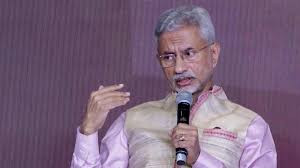
Against this backdrop of uncertainty, New Delhi has intensified diplomatic efforts to secure the country’s energy lifelines. According to India’s Ministry of External Affairs (MEA), Foreign Minister S. Jaishankar has held three rounds of discussions in recent days with his Iranian counterpart to ensure uninterrupted shipping and energy supplies.
The talks, officials said, focused primarily on the safety of commercial vessels navigating critical maritime routes such as the Red Sea and the strategically vital Strait of Hormuz—a narrow passage through which a large portion of the world’s oil supply flows.
MEA spokesperson Randhir Jaiswal confirmed the high-level diplomatic exchanges on Thursday. “External Affairs Minister Dr. S. Jaishankar and the Iranian Foreign Minister have spoken three times in recent days. In the most recent conversation, they discussed maritime shipping security and India’s energy security in detail,” Jaiswal said.
The South Block remained cautious about revealing the finer details of these conversations. Citing strategic considerations, officials declined to elaborate further, indicating that more information might emerge as the situation develops.
The urgency behind these diplomatic engagements is clear. India imports the majority of its crude oil and natural gas requirements from overseas, with a substantial portion passing through the Persian Gulf region. Any disruption to shipping in the Strait of Hormuz—one of the most crucial chokepoints in global energy trade—could send oil prices soaring in international markets.
Signs of such pressure are already visible. Global crude prices have begun climbing amid fears that the intensifying conflict could threaten maritime transport routes. For a country like India, where energy imports are vital to the economy, such spikes inevitably translate into higher prices for petrol, diesel, and liquefied petroleum gas (LPG), directly affecting household budgets.
Reports emerging from international agencies, including PTI, have suggested that Iran may be considering granting special passage through the Strait of Hormuz to oil tankers bound for India. Similar exemptions have reportedly been extended to vessels linked with China and Russia in recent weeks. If confirmed, such a move could help ensure that India’s energy shipments continue to flow despite the geopolitical turbulence.
Yet the Indian government has refrained from officially confirming these reports. Jaiswal described any detailed discussion on the matter as “premature,” while emphasizing that the government is closely monitoring the evolving situation.
Energy supply is not the only concern occupying policymakers in New Delhi. The safety of Indian citizens currently residing in Iran has also become a priority. According to official estimates, nearly 9,000 Indians are presently in Iran, including students, professionals, seafarers, and pilgrims.
The Indian government has already begun taking precautionary measures. Sources indicate that several students and pilgrims have been relocated from Tehran to safer areas as a preventive step. Those wishing to return home are being facilitated through alternative evacuation routes, with Indian diplomatic missions arranging travel via land corridors through Azerbaijan and Armenia before connecting them to commercial flights bound for India.
Geopolitical analysts believe that India’s longstanding diplomatic ties with Iran may prove to be a crucial buffer during this volatile period. Historically, New Delhi has maintained a pragmatic relationship with Tehran, balancing its strategic partnerships in the region while safeguarding energy interests.
This delicate diplomatic balancing act that appears to be guiding the recent flurry of conversations between Jaishankar and Iranian officials. By maintaining open channels with Tehran, India hopes to secure affordable and uninterrupted energy supplies even as tensions reshape the geopolitical landscape of West Asia.
Millions of Indian households continue to watch developments anxiously. Whether the conflict will significantly impact fuel availability—or whether diplomatic efforts will successfully insulate India from the shockwaves—remains the pressing question in the days ahead.
You might also like!