US Raises Pressure on India Over Tariffs, Forced Labour Concerns in Trade Review Report
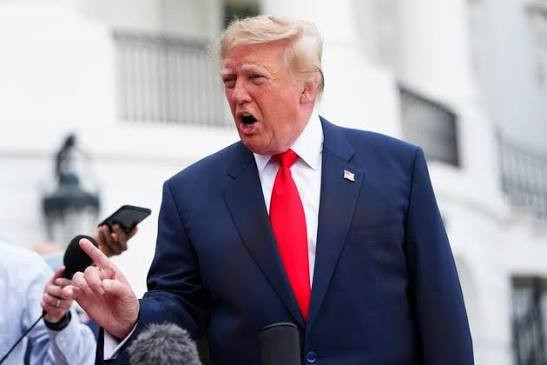
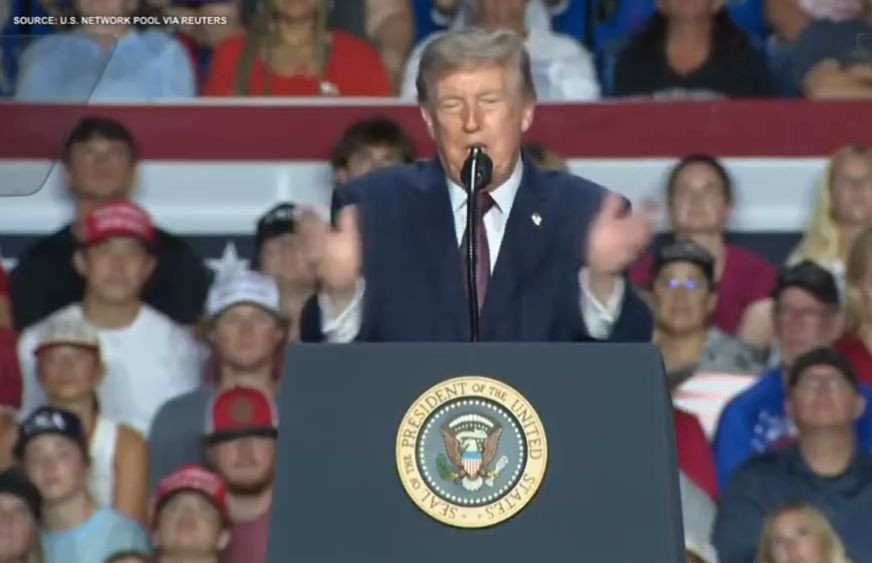
IIE DIGITAL DESK ; Washington, June 3: The United States has intensified scrutiny of India’s trade practices, with a new report from the Office of the United States Trade Representative (USTR) highlighting concerns related to tariffs, market access barriers, and alleged risks linked to forced labour in certain import supply chains.
The report comes amid ongoing trade discussions between Washington and New Delhi, where the US has repeatedly raised issues over high tariffs imposed by India on several American goods. According to the USTR assessment, these trade barriers continue to restrict broader access for US products in the Indian market, contributing to persistent friction between the two countries in bilateral trade relations.
The report also points to potential risks of forced labour in global supply chains connected to imports entering the United States, indirectly affecting trade partners including India. While the report does not directly accuse India of systemic forced labour practices, it highlights the need for stronger compliance mechanisms and greater transparency in supply chains.
US officials have been increasingly focusing on labour standards as part of broader trade policy enforcement, particularly under frameworks aimed at preventing goods produced under forced labour conditions from entering the American market. This includes stricter monitoring of imports and enhanced documentation requirements for exporters.
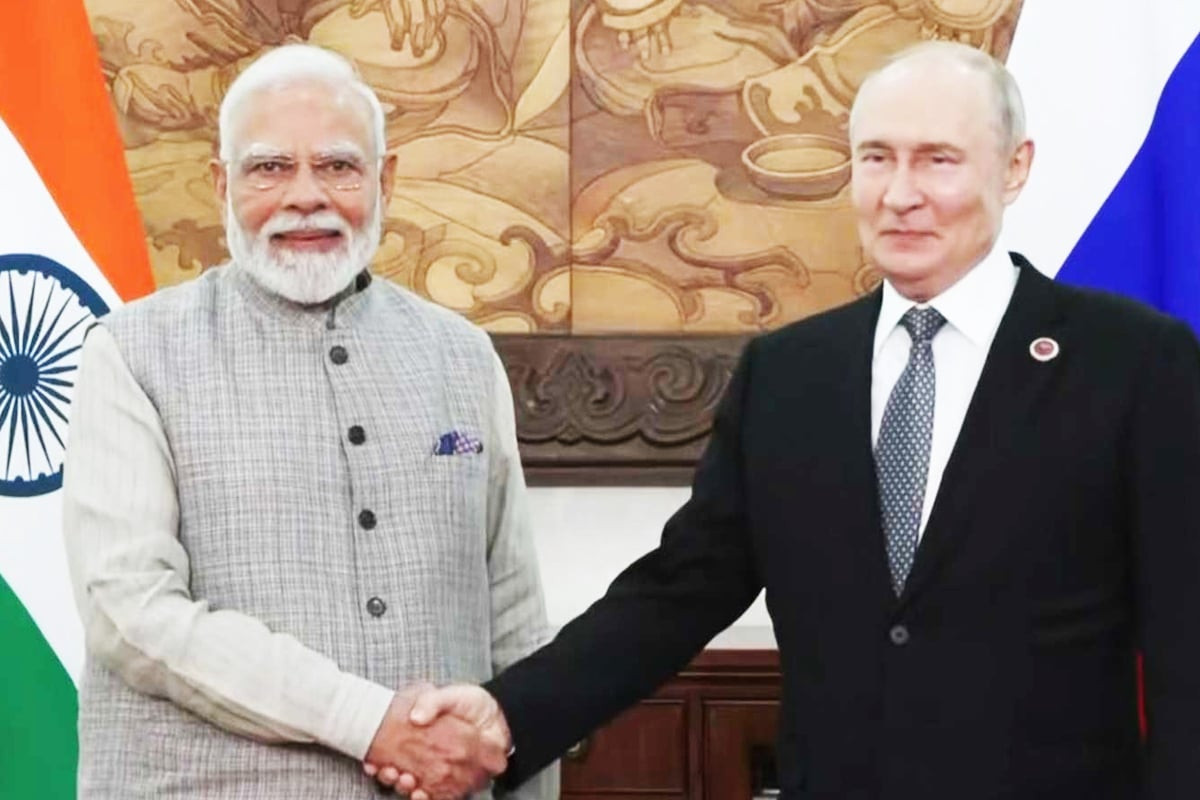
The USTR report also reflects broader geopolitical and economic tensions, as the US continues to reassess trade relationships with major partners, including India, China, and other emerging economies. Analysts suggest that such findings could influence future tariff negotiations and trade policy adjustments between the two countries.
India has not yet issued an official response to the latest report, but trade experts expect the issue to be discussed in upcoming bilateral trade talks.
You might also like!