Death Toll Rises to 46 After Philippines Earthquake, Rescue Operations Still Underway
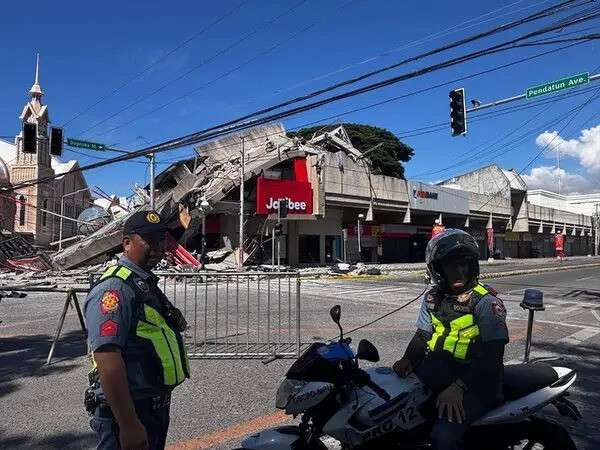
IIE DIGITAL DESK ; Manila, June 10: The death toll from the devastating earthquake that struck the Philippines has continued to rise as rescue teams work tirelessly to search through collapsed buildings and debris. On Wednesday, rescuers recovered another body from the ruins of a collapsed supermarket, taking the total number of confirmed fatalities to 46. Authorities have indicated that search and rescue operations remain ongoing as concerns persist that more victims may still be trapped beneath the rubble.
Local rescue worker Michelle Chua said that during the initial stages of the operation, specialized detection equipment had indicated signs that suggested the possible presence of life beneath the debris. The discovery raised hopes among rescuers and family members waiting anxiously at the site. However, after hours of careful excavation, emergency workers eventually recovered a body from beneath the collapsed structure. By the time the victim was brought out, there were no signs of life.
The latest recovery highlights the enormous challenges faced by rescue teams as they continue searching unstable and dangerous structures affected by the powerful earthquake. Heavy debris, damaged infrastructure, and the risk of further collapses have complicated efforts to locate survivors and recover victims.
The disaster was triggered by a powerful earthquake that struck the Philippines on Monday. According to seismic authorities, the earthquake registered a magnitude of 7.8 on the Richter scale, making it one of the strongest earthquakes to hit the country in recent years. The powerful tremor caused widespread destruction across multiple regions, with buildings, homes, and commercial establishments collapsing under the force of the shaking.
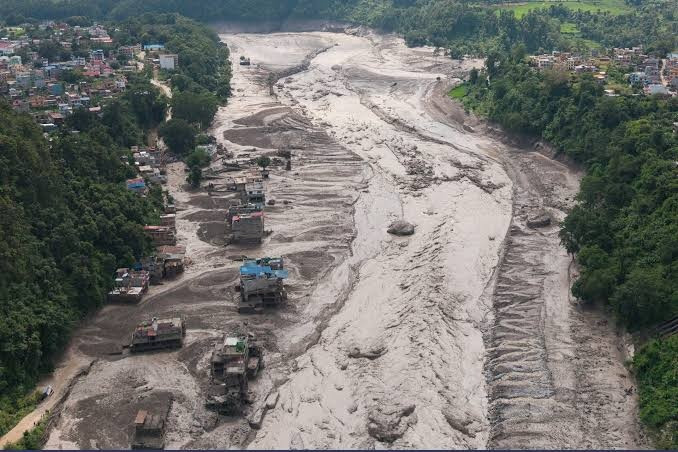
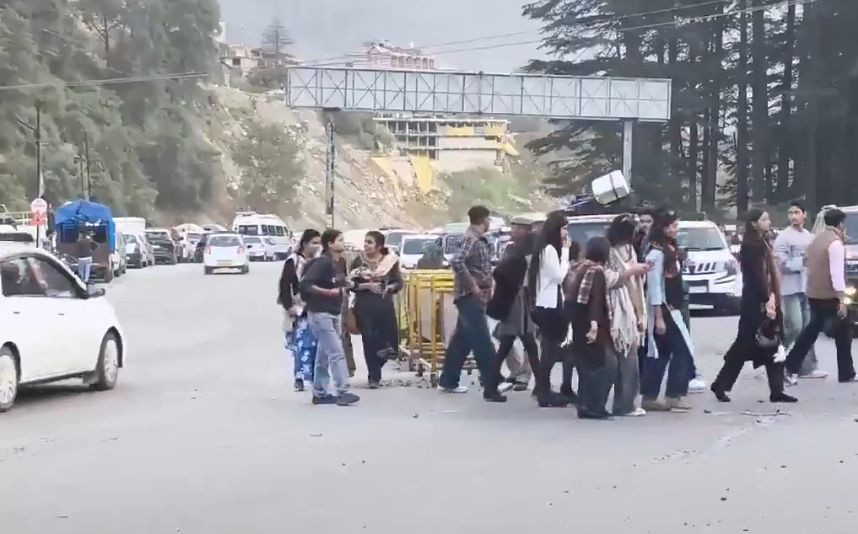
The impact of the earthquake was felt across a large area, causing panic among residents and forcing thousands of people to evacuate their homes. Images and videos from affected areas showed buildings reduced to rubble, cracked roads, and damaged infrastructure. Several residential and commercial structures reportedly collapsed like houses of cards under the intensity of the quake.
The 46 confirmed deaths, more than one hundred people have been injured, many of whom are receiving treatment at hospitals and emergency medical centers. Authorities fear that the casualty figures could rise further as rescue teams continue to clear debris and reach areas that remain inaccessible.
Government agencies, emergency responders, and volunteers have been deployed across the affected regions to assist survivors, provide medical aid, and coordinate relief efforts. Temporary shelters have also been established for families displaced by the disaster.
Rescue operations continue around the clock, officials have urged residents to remain cautious due to the possibility of aftershocks, which could further weaken already damaged buildings. The tragedy has once again highlighted the Philippines’ vulnerability to natural disasters, particularly earthquakes, due to its location along the seismically active Pacific Ring of Fire.
With search efforts still underway and many families awaiting news of missing loved ones, the nation remains focused on rescue and recovery as communities struggle to cope with the aftermath of the powerful earthquake.
You might also like!