Powerful Earthquake Strikes the Philippines, 15 Dead
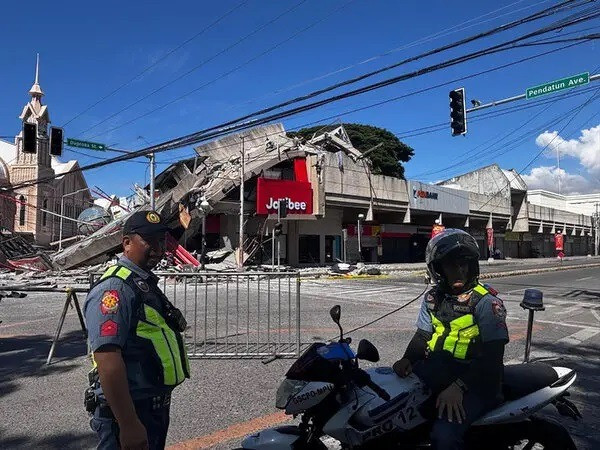
IIE DIGITAL DESK ; June 8: The powerful earthquake measuring 8.1 on the Richter scale has struck the Philippines, causing widespread destruction and loss of life. At least 15 people have been reported dead and more than 200 others injured as buildings collapsed and homes were severely damaged in the tremors.
The German Research Centre for Geosciences (GFZ), the earthquake hit a southern island region of the Philippines on Monday. The intense shaking was felt across large areas, causing panic among residents and significant structural damage in multiple locations.
The strong seismic activity also triggered a tsunami of up to 1 metre (approximately 3 feet), which struck along nearby coastal areas, raising further concerns for safety and evacuation efforts. Authorities warned residents in low-lying coastal zones to move to higher ground immediately after the alert was issued.
Several buildings were reported to have collapsed due to the high-intensity tremors, trapping residents inside and complicating rescue operations. Emergency response teams have been deployed across the affected regions, working to search for survivors and provide urgent medical assistance to the injured.
Local authorities have confirmed that rescue operations are ongoing, and the casualty figures may rise as teams reach remote and severely affected areas. Hospitals in the region are reportedly overwhelmed due to the sudden influx of injured victims requiring immediate treatment.
The earthquake has caused widespread disruption to transportation, electricity, and communication networks, making coordination of relief efforts more challenging. Many residents have been forced to evacuate their homes and remain in temporary shelters as aftershocks continue to shake the region.
Disaster management agencies in the Philippines are closely monitoring the situation and coordinating with international organizations to assess the full extent of the damage. Further updates are expected as rescue operations continue and more information becomes available from affected areas.
You might also like!