Madhya Pradesh High Court Declares Disputed Bhojshala Portion a Temple, Worship Begins
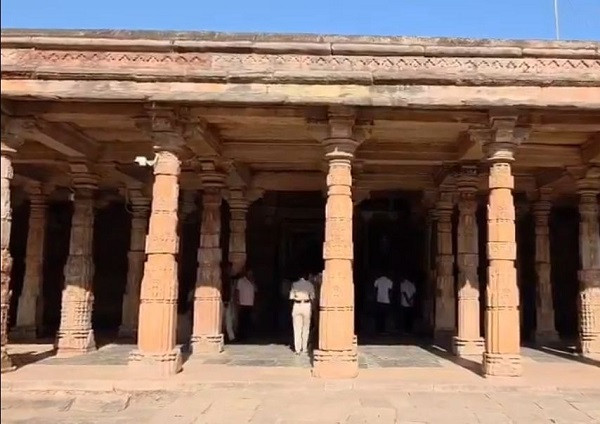
IIE DIGITAL DESK ; May 16: The long-standing Bhojshala dispute, the Madhya Pradesh High Court has declared the disputed portion of the Bhojshala complex in Dhar as a temple. The ruling was delivered on Friday by a division bench comprising Justice Vijay Kumar Shukla and Justice Alok Awasthi, marking a major legal turning point in the sensitive religious matter that has remained under debate for years.
While delivering the judgment, the High Court advised the Muslim petitioners involved in the case to seek an alternative place for offering prayers. The bench also suggested that the Muslim side could approach the Madhya Pradesh government for the allocation of another suitable site for worship. The verdict is being viewed as one of the most important judicial decisions related to the Bhojshala complex in recent years.
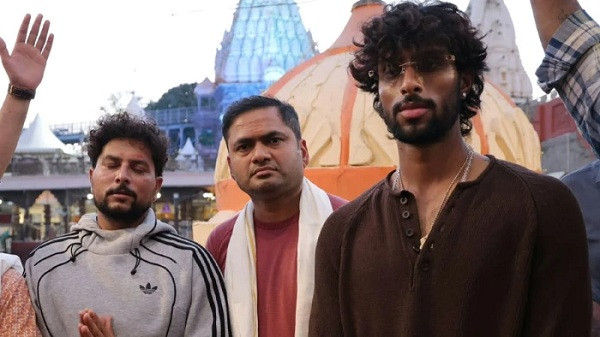
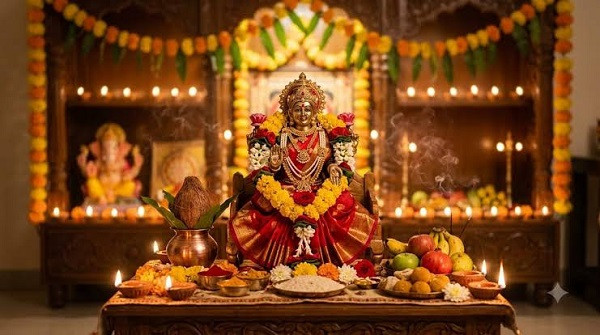
Soon after the court recognised the disputed section as a temple, devotees began offering prayers at the site on Saturday morning. A large number of worshippers entered the Bhojshala premises and performed rituals and पूजा without restrictions. The atmosphere at the complex remained charged with religious enthusiasm as devotees welcomed the court’s ruling.
One devotee expressed happiness over the verdict and said that after many years, worshippers had finally received the opportunity to visit the temple and offer prayers without obstruction. The devotee described the judgment as a positive and historic decision and added that regular visits for prayers would continue in the future.
The Bhojshala complex, located in Dhar district of Madhya Pradesh, has long been a subject of dispute between Hindu and Muslim groups. Hindus consider the site to be a temple dedicated to Goddess Saraswati, while Muslims have regarded it as the Kamal Maula Mosque. The issue has witnessed repeated legal battles, administrative interventions, and heightened political as well as communal sensitivity over the years.
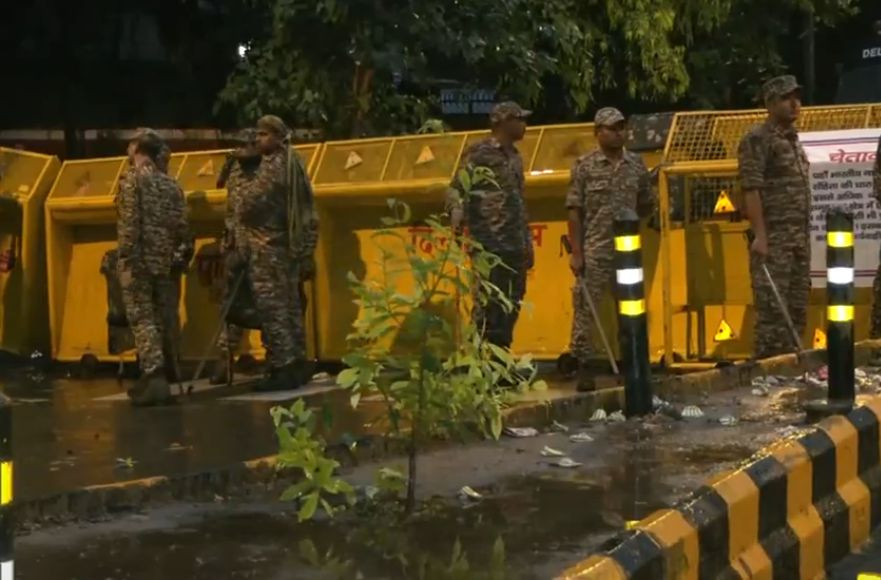
The High Court’s latest decision is expected to have major social and political implications in Madhya Pradesh and beyond. Security arrangements around the Bhojshala complex have reportedly been strengthened to maintain law and order following the verdict and the commencement of worship activities.
Legal experts believe the ruling could influence future proceedings linked to disputed religious sites, while political observers expect strong reactions from various religious and political organisations in the coming days. The case has once again brought national attention to the complex intersection of faith, history, archaeology, and law in India.
You might also like!