LPG Supply Crisis Hits India’s Hotels and Restaurants: Widespread Shutdowns as Owners Seek Government Action
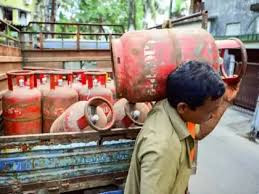
IIE DIGITAL DESK : India’s hospitality sector is facing a deepening crisis as severe shortages of commercial liquefied petroleum gas (LPG) disrupt operations across major cities, forcing hotels and restaurants into temporary closures and urgent appeals to the federal government for intervention. The shortage, which began emerging last week, has now escalated into a nationwide phenomenon affecting Bengaluru, Mumbai, Chennai and other urban centres where commercial LPG is a vital daily input for cooking and food preparation.
Industry bodies say that the situation has worsened rapidly in recent days following disruptions in global energy supply chains linked to the ongoing war in the Middle East — particularly the conflict involving Iran and the United States — which has strained shipping lanes such as the Strait of Hormuz and delayed tanker traffic carrying LPG from Gulf producers. India, the world’s second‑largest importer of LPG, has been especially vulnerable to these disruptions, with imported supplies slowing dramatically and refining constraints adding to the pressure.
Mumbai, the Hotel and Restaurant Association reported that around 20% of hotels and eateries have already shut down operations due to insufficient LPG stock, warning that up to half of local establishments may cease service within days if supplies are not restored. Owners in the city have said that continued uncertainty could lead to cancelled bookings, loss of jobs, and months of financial damage for small and midsize businesses that depend on continuous gas deliveries.
Bengaluru and Chennai, similar concerns have been voiced, with local hotel associations stating that the supply of commercial LPG cylinders has nearly halted in many areas. Bengaluru’s hotel operators said they might be forced to close as early as Tuesday if the supply issue persists, stressing that many residents, students, senior citizens and workers rely on affordable restaurant meals prepared using LPG.
The National Restaurant Association of India (NRAI), which represents hundreds of thousands of food businesses, has described the crisis as potentially catastrophic. In communications with government authorities, the NRAI warned that the interruption in LPG deliveries — despite official assurances that no ban on commercial cylinders exists — has left suppliers unable to fulfil orders, severely impacting operations and threatening food supply continuity in essential services.
Compounding the supply challenge, LPG prices have climbed sharply in recent weeks. Commercial LPG cylinder prices have risen significantly, with some reports indicating hikes of over ₹100 per cylinder. Domestic cylinder prices have also increased, intensifying public concern and prompting policymakers to prioritise household supply over commercial distribution to avoid shortages for families and critical services.
The Ministry of Petroleum and Natural Gas has formed a panel to review LPG allocations and evaluate emergency supply requests from hotels, restaurants, and other commercial users. Government officials have reiterated that domestic gas supplies remain adequate, but have acknowledged that non‑household distribution is currently constrained. They have also asked refineries to maximise LPG output where possible to help alleviate the crunch.
The hospitality industry remains on alert, with restaurant owners appealing for urgent policy clarity and support. Without swift action, many eateries and hotels — from small local establishments to larger dining chains — could remain closed, affecting employment, tourism and the broader economy.
You might also like!