Feeling Extremely Exhausted in the Heat? Doctors Warn That Being Too Thin Could Be Putting You at Greater Risk
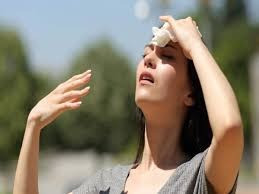
IIE DIGITAL DESK : The temperatures across several parts of the country continue to soar close to 48 degrees Celsius, doctors and health experts are now warning that excessive heat is not dangerous only for overweight individuals. Contrary to common belief, underweight and excessively thin people may also face serious health risks during intense summer heatwaves, and in some cases, they may be even more vulnerable.
Medical experts explain that people with very low body fat, poor nutrition levels, dehydration issues, and weak muscle mass are more likely to suffer from conditions such as heat exhaustion and even heatstroke. According to doctors, body fat is not always harmful. A healthy amount of fat plays a crucial role in regulating body temperature, storing energy, and maintaining water balance during extreme weather conditions.
Underweight individuals often lack emergency energy reserves inside the body. Their ability to retain essential minerals and electrolytes becomes weaker, while lower blood volume puts additional stress on blood circulation. During periods of extreme heat, when the body constantly sweats to cool itself down, thin individuals may quickly become fatigued and physically drained because their bodies lack sufficient hydration and nutritional reserves.
Doctors further point out that muscle mass is essential for maintaining metabolism, blood circulation, and overall physical stability. Many people who lose weight through aggressive dieting often also lose muscle density. As a result, when exposed to harsh sunlight or extreme temperatures, they may experience sudden drops in blood pressure, commonly known as low blood pressure.
This can lead to dizziness, severe weakness, blurred vision, blackouts, and even fainting episodes. In severe situations, these symptoms may escalate into heatstroke, which can become life-threatening if not treated quickly.
Experts also warn that thin individuals frequently fail to realise how rapidly dehydration is affecting their bodies. Lean bodies naturally have a lower capacity to store fluids, which means excessive sweating can quickly flush out vital electrolytes such as sodium and potassium.
Doctors say common symptoms of dehydration include dryness of the mouth and throat, constant dizziness, muscle cramps, sudden increase in heart rate, dark-coloured urine, nausea, and extreme physical weakness.
Another major concern during summer is crash dieting. Many people trying to lose weight reduce food intake drastically during hot weather, unknowingly depriving their bodies of essential salts, minerals, proteins, and calories. Nutritional deficiencies during heatwaves can lead to brain fog, irritability, lack of concentration, and physical instability.
Elderly citizens who are naturally thin or physically weak due to age-related conditions are considered especially vulnerable. Doctors explain that as people age, the body’s ability to regulate temperature weakens, while the sensation of thirst also reduces significantly, increasing the danger of unnoticed dehydration.
Health experts are advising people not to wait until they feel thirsty before drinking water. They recommend consuming water, ORS, and coconut water regularly throughout the day. Doctors also stress the importance of maintaining adequate protein intake and proper electrolyte balance instead of following strict crash diets during summer.
People are also advised to avoid stepping out in direct sunlight between noon and 4 pm unless absolutely necessary. Wearing loose-fitting, light-coloured cotton clothing can help the body remain cooler during periods of intense heat.
Doctors finally caution that symptoms such as dizziness, weakness, or discomfort should never be ignored during extreme weather conditions, and immediate medical attention should be sought if such signs appear.
You might also like!