Controversy Erupts Over Badrinath‑Kedarnath Temple Committee’s New Rule, Sara Ali Khan Caught in Debate
IIE DIGITAL DESK : The Badri‑Kedar Temple Committee (BKTC) in Uttarakhand has ignited a fresh controversy by announcing a new rule for entry into the sacred Badrinath and Kedarnath temple complexes, stipulating that visitors who are not formally identified as followers of Hinduism must submit a written affidavit affirming their belief in Sanatan Dharma before they can be granted darshan. This guideline was formally communicated by BKTC chairman Hemant Dwivedi, who explained that the measure aims to preserve the religious sanctity and spiritual integrity of the ancient shrine sites, distinguishing them from general tourist attractions.
The directive explicitly states that individuals wishing to enter the temples must declare in writing that they are devotees of Sanatan Dharma and that they sincerely embrace its traditions and rituals. Upon submission of such an affidavit, the committee has said, devotees will be allowed entry and permitted to offer prayers. The rule also includes strict adherence to temple dress codes and behavioural norms, and bans continuous photography or videography within the sacred precincts to protect the serene, spiritual atmosphere of the sites.
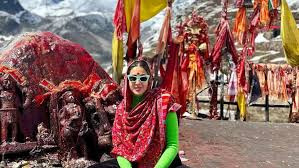
Bollywood actress Sara Ali Khan — who has frequently visited Kedarnath and Badrinath and often shares her mountain pilgrimages on social media — has become a focal point of public discussion following the announcement. The committee’s policy has made clear that even high‑profile visitors such as her will need to provide the required affidavit if they wish to continue accessing the temples. Officials emphasised that this is not an individual ban, but a general rule that applies uniformly to all visitors not already recognised as Sanatan believers.
The reaction across social and mainstream media has been mixed, with supporters saying the rule underscores the unique sacred character of temples and the rights of faith‑centred worshippers, while critics argue that demanding such declarations from Indian citizens — irrespective of personal religious identity — treads into complex questions about freedom of religion and inclusivity at historic pilgrimage sites. Some commentators have pointed out that similar practices exist at other religious places, and have raised broader debates about how sacred spaces balance tradition with openness.
This new entry requirement comes amid a wider move by the committee to regulate access to 47 temples under its jurisdiction in the Garhwal region, part of efforts to maintain tradition and spiritual focus during the upcoming Char Dham yatra season, which draws hundreds of thousands of devotees each year.
You might also like!