WB Election 2026: Is This the Last Battle for Survival? Baharampur Faces High-Stakes Contest as ‘Adhir Magic’ Meets TMC–BJP Challenge
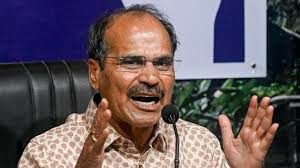
IIE DIGITAL DESK : Baharampur, April 22: The political spotlight has firmly shifted to Baharampur as the West Bengal Assembly elections 2026 enter a crucial phase, with intense speculation over whether the so-called “Adhir magic” of veteran Congress leader Adhir Ranjan Chowdhury will once again revive the party’s fortunes or whether the constituency will witness a direct contest between the Trinamool Congress and the Bharatiya Janata Party.
Once considered a stronghold of Congress influence in Murshidabad, Baharampur has become the centre of a high-voltage political battle that could define not only the future of the constituency but also the political trajectory of Adhir Ranjan Chowdhury himself. A five-time Member of Parliament and former Union Minister, Chowdhury is now contesting a pivotal election that is being viewed as a test of his political survival in a rapidly changing electoral landscape.
Chowdhury rose from grassroots politics to establish himself as one of the most influential Congress leaders in the region, earning a reputation for strong organisational presence and mass connect. His early electoral victories in the region helped him consolidate control over Murshidabad politics, where he played a key role in maintaining Congress relevance even as the party weakened across West Bengal.
The political equation in the region has undergone a dramatic shift in recent years. The Congress has steadily lost ground in its traditional bastions, with both the Trinamool Congress and the Bharatiya Janata Party expanding their influence. Baharampur, once considered a safe seat for the Congress, has now emerged as a fiercely contested constituency with three-way competition.
The 2021 Assembly election results highlight the scale of the challenge. The BJP secured around 45.21 percent vote share, while the Trinamool Congress received approximately 31.62 percent. The Congress candidate finished third with just 20.33 percent of the votes, reflecting a significant decline in its electoral strength in the region. This shift has intensified questions about the party’s future relevance in Murshidabad politics.
Adhir Ranjan Chowdhury himself has entered the fray from Baharampur, replacing the previous Congress candidate and raising the stakes significantly. His opponents include BJP candidate Subrata Maitra and Trinamool Congress nominee Naru Gopal Mukherjee, who also serves as the chairman of Baharampur Municipality, adding administrative experience to the ruling party’s campaign.
The contest has now evolved into a symbolic battle, with political observers closely watching whether Chowdhury’s personal influence can override the declining popularity of the Congress in the region. While his supporters believe that his long-standing connect with voters may still hold ground, rivals argue that the changing political dynamics in West Bengal have significantly weakened Congress’s traditional vote base.
Campaigning across Baharampur has intensified, with all three parties making strong appeals to voters in the final stages before polling. The constituency, once synonymous with Congress dominance, is now seen as a critical electoral battlefield that could reflect broader trends in the state’s political landscape.
Voting approaches, attention is firmly fixed on whether Adhir Ranjan Chowdhury can stage a political comeback or whether Baharampur will finally witness a decisive shift towards a direct TMC–BJP contest. The outcome, expected to be declared on May 4, is likely to have far-reaching implications for both regional politics and the future of the Congress in West Bengal.
You might also like!