Minister Dilip Ghosh Again Speaks Out on Infiltration and Corruption
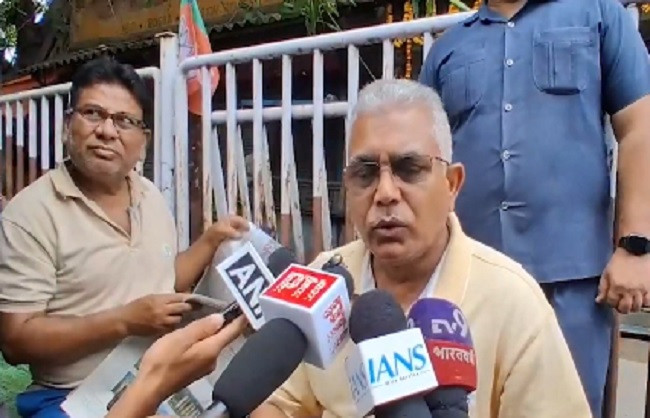
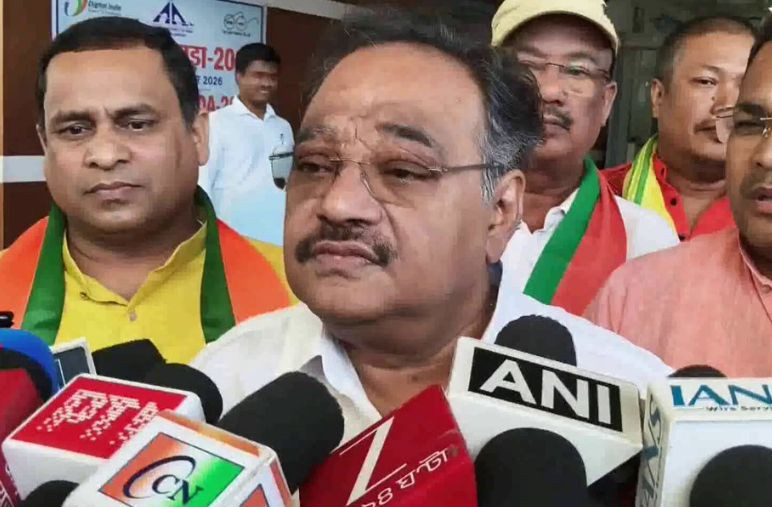
IIE DIGITAL DESK; Kharagpur, May 30: Minister Dilip Ghosh once again raised concerns over the issues of infiltration and corruption while addressing the media in Kharagpur of West Midnapore district on Saturday morning. During his interaction with journalists, he made a series of remarks regarding illegal immigration, law and order, land encroachment, corruption cases, and the alleged nexus between criminals and political elements.
The issue of infiltration, Dilip Ghosh claimed that many infiltrators are currently returning to Bangladesh on their own initiative. However, he argued that the matter extends far beyond the removal of a few thousand individuals. According to him, if authorities are serious about addressing the problem, large-scale action would be required over an extended period. He stated that millions of people would need to be identified and removed before what he described as a widespread infiltration issue could be effectively addressed.
The minister further alleged that infiltrators are benefiting from various government schemes and public welfare programs. He claimed that they are accessing facilities intended for citizens and also contributing to law-and-order challenges in different parts of the state. Dilip Ghosh stressed that resolving the issue of infiltration is essential for ensuring long-term peace and stability in West Bengal. He maintained that meaningful action on the matter would be necessary to improve the overall security situation in the state.
The issue of illegal land occupation, the minister said that legal action should be initiated wherever unlawful encroachment has taken place, regardless of whether the land belongs to private individuals or the government. He emphasized that formal complaints should be filed against those responsible for unauthorized occupation of land.
Ghosh, individuals found guilty of encroachment should be required to remove illegal structures, clear the occupied land, and restore it to its rightful condition. He added that if such actions are not taken voluntarily, authorities should proceed in accordance with the law and implement all necessary measures to enforce legal provisions. His comments reflected a call for stricter enforcement against illegal land occupation across the state.
The minister also commented on ongoing corruption-related cases. Referring to political figures facing legal scrutiny, he stated that several individuals are already in jail and suggested that more arrests could follow in the future. Mentioning Sujit Bose by name, he remarked that legal proceedings are ultimately the responsibility of the judiciary. He said that decisions regarding guilt, punishment, or other legal outcomes rest entirely with the courts and that judicial authorities would determine the course of action based on the law.
Discussing crime and politics, Dilip Ghosh alleged that criminal and anti-social elements who had entered the political arena have been responsible for creating problems in various areas. He claimed that law enforcement agencies are taking action against such individuals and that many arrests have already been made as part of ongoing efforts to restore order.
The minister further alleged that certain individuals had maintained improper connections with sections of the police in the past and claimed that such relationships are now coming to light. He said that while some people continue to engage in disruptive activities, the police are actively performing their duties and will take strict action against anyone found violating the law.
Dilip Ghosh’s remarks touched on several politically sensitive issues, including infiltration, corruption, illegal land occupation, crime, and governance. His comments are likely to generate further debate within the state's political landscape as discussions continue over law enforcement, public administration, and accountability in West Bengal.
You might also like!