‘Who Is the Judge to Decide on Our Religion?’ Asaduddin Owaisi Hits Out at Allahabad High Court’s Hijab Ruling
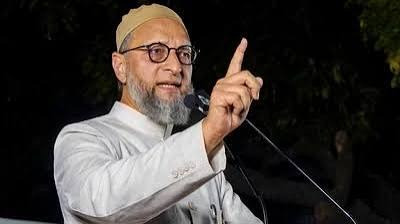
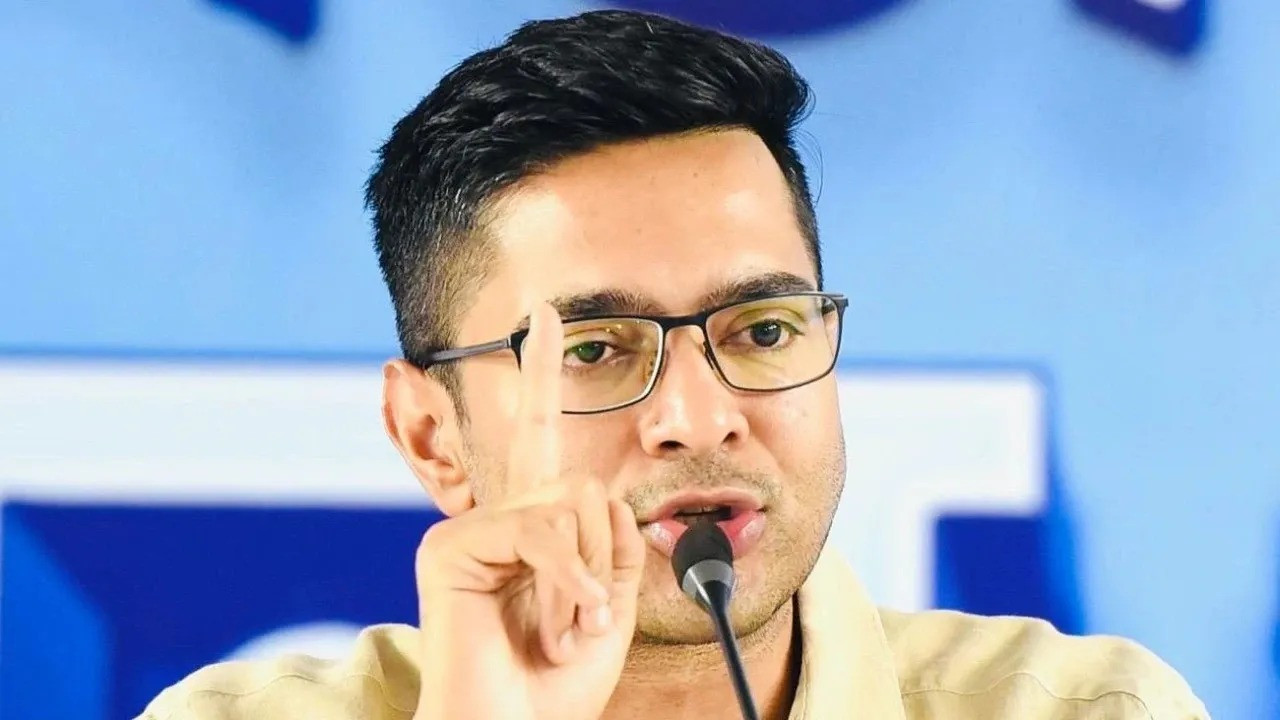
IIE DIGITAL DESK ; New Delhi, August 26, 2026: AIMIM president and Member of Parliament Asaduddin Owaisi has strongly criticised a recent order of the Allahabad High Court concerning the wearing of hijab with school uniforms, arguing that decisions about religious practices should not be imposed by the judiciary. His remarks have triggered a fresh debate over religious freedom, institutional discipline and the constitutional limits surrounding dress codes in educational institutions.
The controversy began after a schoolgirl approached the Allahabad High Court seeking permission to wear a hijab along with her prescribed school uniform. The student argued that wearing the hijab was connected to her religious belief and that the Constitution guarantees every individual the freedom to practise and profess religion.
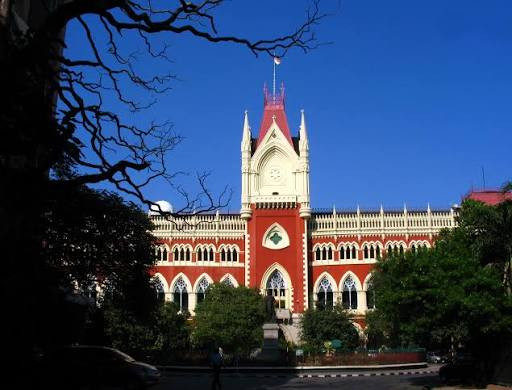
However, a two-judge bench of the Allahabad High Court rejected the plea. The court observed that wearing a hijab is not an obligatory requirement of Islam and held that the constitutional protection of religious freedom cannot be used to undermine the importance of a school’s prescribed uniform and disciplinary rules.
The ruling immediately became a subject of political and social discussion, with Owaisi emerging as one of its strongest critics. Reacting to the judgment, the AIMIM leader questioned the authority of the judiciary to determine what should or should not constitute a religious practice.
“Religion is ours. We will decide. Who is the judge to speak about this?” Owaisi said while expressing his opposition to the court’s observations. He argued that matters concerning religious practices should be determined by the members of the concerned faith rather than by judges.
Owaisi described the ruling as an attack on religious freedom and argued that it could have wider constitutional implications. According to him, the decision conflicts with the fundamental rights guaranteed under the Constitution, particularly Article 19, which protects freedom of speech and expression, and Article 25, which guarantees freedom of conscience and the right to profess, practise and propagate religion.
The AIMIM chief also referred to the broader constitutional debate surrounding religious practices and judicial intervention. He pointed out that questions relating to religious customs and their constitutional protection have previously reached the Supreme Court, including in the context of the Sabarimala case. Owaisi suggested that the High Court should have exercised greater restraint while dealing with a matter involving religious freedom.
The dispute has its roots in the circumstances of the student’s schooling. According to the case details, the girl had been studying at the same institution from Class VI to Class X and had been wearing a hijab along with her school uniform during that period. The school authorities had reportedly not raised objections at the time.
The situation changed after she entered Class XI, when objections were raised regarding her wearing the hijab. The disagreement eventually led the student to approach the court, seeking recognition of her right to continue wearing the religious head covering while attending classes.
Her argument was based on the constitutional guarantee of religious freedom. She maintained that every individual has the right to practise their religion and that wearing the hijab formed part of her religious belief. On that basis, she sought permission to attend school wearing the hijab while otherwise complying with the institution’s uniform requirements.
The High Court, however, took a different view. The bench emphasised that educational institutions have the authority to establish reasonable rules concerning discipline, uniforms and conduct within their premises. According to the court, an individual student cannot insist that an institution alter its established dress code merely because of a personal preference.
The court also observed that there was no religious evidence before it establishing that wearing the hijab inside a school was an essential religious practice of Islam. On that reasoning, the bench concluded that the student could not claim an exemption from the prescribed uniform solely on the basis of religious freedom.
The ruling has once again brought the complex relationship between individual religious rights and institutional regulations into the spotlight. While supporters of the judgment argue that schools require uniform rules to maintain discipline and equality among students, critics contend that dress regulations should accommodate genuine religious practices wherever constitutionally permissible.
Owaisi has also raised concerns about the possible impact of such decisions on Muslim girls’ access to education. He argued that restrictions surrounding the hijab could discourage some students from attending educational institutions and could therefore have consequences beyond the immediate legal dispute.
The AIMIM leader particularly highlighted the educational participation of Muslim women in Uttar Pradesh, arguing that the community already faces significant challenges in the field of education. He warned that policies or judicial observations perceived as hostile to religious identity could create additional barriers for young Muslim women.
Owaisi further argued that equality should not necessarily mean imposing identical rules on everyone without considering individual circumstances. “Girls wear the hijab on their heads, not in their minds,” he said, stressing his view that wearing a religious head covering does not automatically prevent a student from participating equally in education.
The controversy is therefore not limited to the question of school uniforms. At its heart lies a larger constitutional debate over how courts, educational institutions and individuals should balance religious freedom with institutional discipline.
The Allahabad High Court’s decision has provided legal backing to the principle that schools can enforce uniform and discipline requirements, while Owaisi’s response has brought the issue back into the political arena. His criticism is likely to fuel further discussion over the extent to which religious practices should receive protection in educational institutions and where the boundaries between individual rights and institutional autonomy should be drawn.
The debate continues, the hijab issue is once again poised to become a significant point of discussion in India’s wider conversation about secularism, equality, religious freedom and education. The competing arguments underline the difficulty of finding a balance between protecting constitutional rights and allowing educational institutions to maintain consistent rules for all students.
You might also like!