Live Updates 6 March: Mamata Banerjee’s Dharna, Governor’s Resignation and Political Tensions in West Bengal
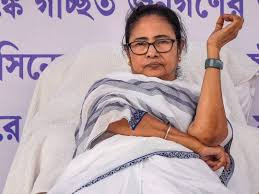
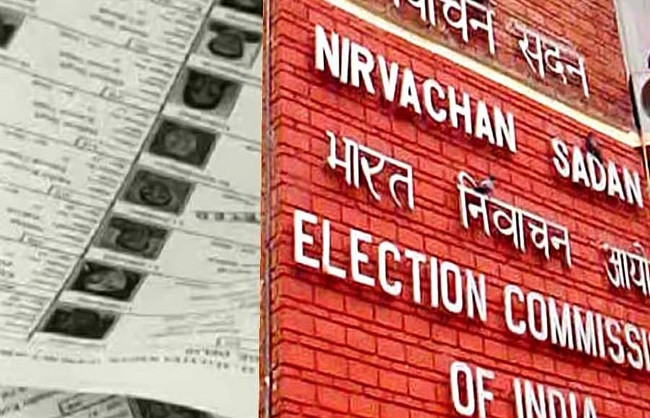
IIE DIGITAL DESK : Friday, 6 March as Chief Minister Mamata Banerjee launched a high-profile sit-in protest in Kolkata, West Bengal, India, sharply criticising the electoral roll revision process ahead of the state assembly elections and triggering heated debate across political circles. The sit-in, which took place at Esplanade’s Metro Channel ground, was called to protest what the Trinamool Congress (TMC) has described as arbitrary deletions and inconsistencies in the voter lists updated after the Special Intensive Revision (SIR) exercise carried out by the Election Commission of India. TMC leaders say the revised lists have left out lakhs of legitimate voters and placed many others, including hundreds from minority and economically marginalised communities, in “under adjudication” categories, creating anxiety and confusion among the electorate.
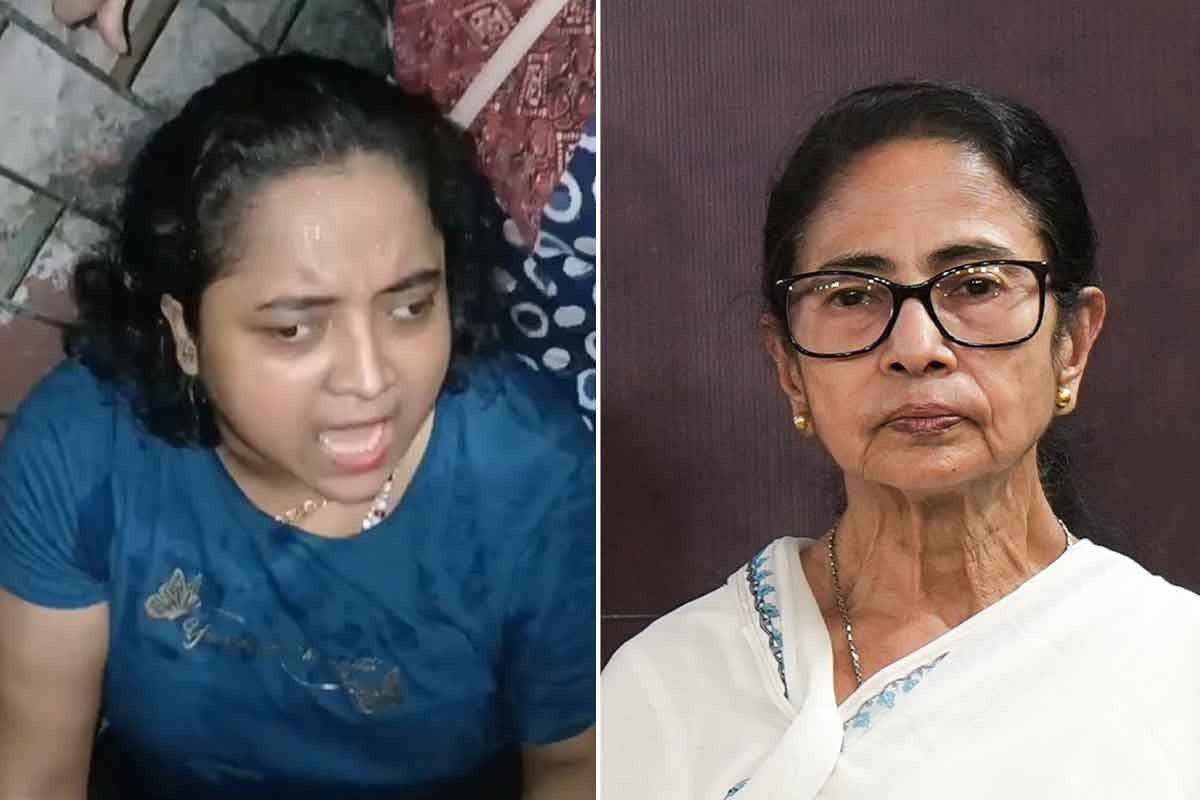
Banerjee accused the Commission and the Bharatiya Janata Party of conspiring to disenfranchise Bengali voters, a charge she reiterated as she addressed supporters and party workers at the dharna. At the start of the protest, she pledged to expose what she termed an “EC-BJP conspiracy”, alleging that several voters who are alive were wrongly recorded as deceased in the revised rolls. To highlight her point, party leaders said they would bring some of those affected to the protest site to demonstrate the alleged errors.
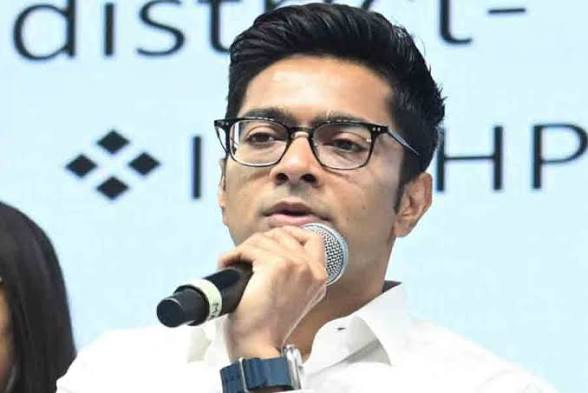
The sit-in comes just days before a full bench of the Election Commission is scheduled to visit West Bengal to assess poll preparedness and address grievances related to the voter list revision. The protest follows sustained criticism from TMC leaders, including Abhishek Banerjee, who has repeatedly questioned the SIR process and raised alarm over the removal and adjudication of names in the electoral records. Reports suggest that tens of lakhs of names were excluded or marked under review, feeding into a broader narrative of political discontent ahead of the state elections.
Adding to the political energy on Friday was the unexpected resignation of C.V. Ananda Bose from his position as Governor of West Bengal. Bose’s resignation has sparked fresh debate about the timing of leadership changes in the state as elections draw closer, with the Chief Minister alleging that pressure from national leaders influenced the decision. Opposing voices, however, have dismissed these claims and termed the resignation a matter of routine administrative change. Following Bose’s departure, reports indicate that R.N. Ravi is expected to take over as the new Governor of West Bengal, while Taranjit Singh Sandhu has been named as the new Lieutenant Governor of Delhi in a related reshuffle of constitutional posts.
The political developments in Kolkata reverberate across the state as activists and supporters gathered early in the day at the dharna site, with teachers, party workers and volunteers from various districts joining the protest. The mood in West Bengal remains charged as citizens await further clarification from the Election Commission and political leaders brace for what promises to be a contentious and closely watched election cycle.
These events unfold against a backdrop of heightened political activity nationwide, with senior leaders from across parties — including national figures such as Rahul Gandhi and Narendra Modi — continuing their engagements on broader national issues, while local dynamics in West Bengal take centre stage. The intersections of electoral politics, administrative changes and public protests illustrate the intensity of political discourse in the state as 2026 progresses.
You might also like!