Calcutta High Court Stays ₹765.78 Crore Compensation Order in Singur Case Against Tata Motors
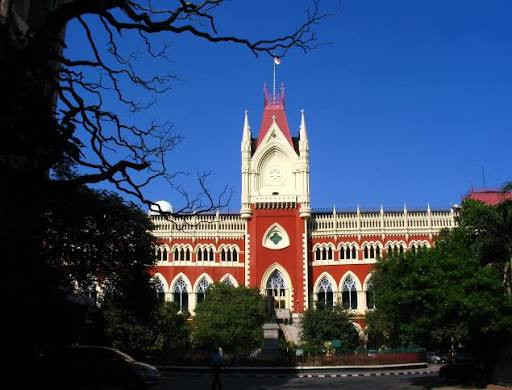
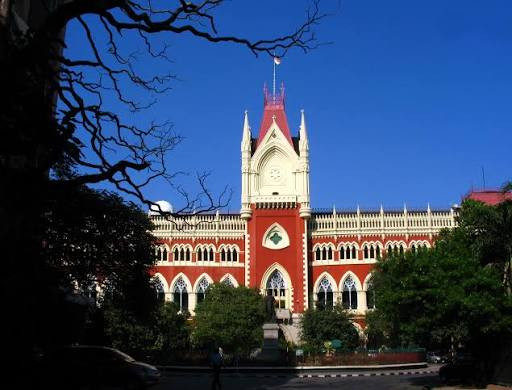
IIE DIGITAL DESK : May 7: The Calcutta High Court has put an interim stay on the execution of a massive ₹765.78 crore compensation order issued in favour of Tata Motors in connection with the Singur land dispute, granting relief to the West Bengal government for the time being.
The order was passed by a bench of Justice Aniruddha Roy, which directed that the compensation payment will remain suspended for eight weeks. The directive relates to an arbitration award that had held the state responsible for compensation after Tata Motors abandoned its proposed car manufacturing plant at Singur.
The dispute dates back to the controversial land acquisition for the Tata Nano project, which was later abandoned following widespread protests and political unrest. A three-member arbitration tribunal in October 2023 had ruled that the West Bengal Industrial Development Corporation must pay ₹765.78 crore to Tata Motors for the failure to establish the factory.
The arbitral tribunal’s award also included interest at an annual rate of 11 percent from September 1, 2011, until the date of payment, along with an additional ₹1 crore towards legal and arbitration costs. The ruling was subsequently challenged by the state government.
The case travelled through multiple legal stages, including the Supreme Court. On August 8, 2025, the apex court upheld the arbitration award but clarified that the issue of compensation would be adjudicated by the Calcutta High Court. Following this direction, hearings resumed before Justice Aniruddha Roy’s bench, with the matter being taken up initially on August 12 and subsequently on several occasions.
The High Court has also directed the state government to furnish a bank guarantee within eight weeks, ensuring financial security while the matter remains under judicial consideration. The directive has been issued in response to an application filed by the state government seeking relief against immediate enforcement of the arbitration award.
The Singur case remains one of the most politically sensitive land acquisition disputes in West Bengal’s recent history. The original project, once seen as a major industrial investment for the state, collapsed amid sustained protests that eventually reshaped the political landscape of the region.
Legal experts note that the latest High Court order does not overturn the arbitration award but temporarily suspends its execution, allowing further judicial scrutiny before any final enforcement. The outcome of the case is expected to have significant financial and legal implications for the state government.
Proceedings continue, both the state and Tata Motors are likely to await further directions from the High Court, which will play a crucial role in determining the final resolution of the long-running Singur compensation dispute.
You might also like!