Gold Jumps by ₹9,000, Silver Surges Over ₹24,000 in Kolkata as February Ends with Sharp Price Spike
IIE DIGITAL DESK : The last day of February brought a dramatic turnaround in the bullion market as gold and silver prices recorded a sharp surge in Kolkata, erasing the relief buyers had experienced earlier this month. After a brief period of softening rates that had brought both precious metals down from record highs, Saturday witnessed a steep rally that has once again pushed prices closer to historic levels.
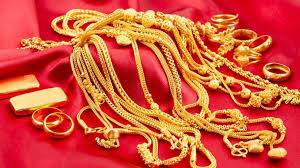
According to data released by West Bengal Bullion Merchants and Jewellers Association, the price of 24-carat pure gold in the Kolkata market increased by ₹9,350 per 10 grams in a single day. The price of 22-carat hallmark jewellery gold rose by ₹8,950 per 10 grams. Silver prices also registered a substantial spike, climbing by more than ₹24,000 per kilogram.
On Saturday, the rate of 24-carat gold bar stood at ₹1,68,800 per 10 grams in the wholesale market, while retail bar gold was quoted at ₹1,69,650 per 10 grams. Hallmark 22-carat jewellery gold was priced at ₹1,61,250 per 10 grams. Meanwhile, retail silver was trading at ₹2,92,700 per kilogram. These rates are exclusive of taxes and additional charges.
The sudden spike has surprised many buyers who had been closely tracking bullion trends since the beginning of February. Earlier in the month, both gold and silver had experienced noticeable corrections from record highs, providing a window of opportunity for jewellery enthusiasts and investors. The softer pricing had briefly revived consumer interest, especially with wedding season demand continuing across several parts of the country.
The latest jump has altered market sentiment once again. Traders attribute the sharp increase to a combination of global economic uncertainty, currency fluctuations and renewed investor demand for safe-haven assets. International bullion trends often influence domestic pricing, and any volatility in global markets tends to be quickly reflected in local rates.
Despite the officially quoted rates, customers visiting jewellery stores will have to pay more than the listed figures. The published prices do not include the Goods and Services Tax, which is levied at a fixed rate of 3 percent on gold purchases. In addition, making charges for jewellery vary from store to store and can significantly increase the final billing amount. These making charges are determined by design complexity, craftsmanship and brand positioning, and can range widely depending on the retailer.
For silver buyers, the substantial rise of over ₹24,000 per kilogram in a single day has also raised eyebrows. Silver, often seen as a more affordable alternative to gold for both investors and consumers, tends to witness sharper percentage swings due to its industrial demand component and market speculation.
Market analysts believe that price volatility may continue in the coming weeks. With global geopolitical tensions, inflationary pressures and central bank policies influencing investor behaviour, precious metals are likely to remain sensitive to international developments. Historically, gold has been regarded as a hedge against uncertainty, and renewed buying interest often follows global instability.
The steep rise at the close of February has dampened the short-lived optimism that had emerged earlier in the month. Jewellery buyers may choose to wait for corrections, while investors could interpret the surge as confirmation of gold’s enduring safe-haven appeal. Whether this rally sustains or sees another correction will depend largely on global cues and domestic demand trends in the days ahead.
You might also like!