Tourist Rush Continues in Shantiniketan During Dol Festival Season Despite Absence of Basant Utsav at Visva-Bharati University
IIE DIGITAL DESK : The spring festival season has brought a massive surge of tourists to Shantiniketan even though the traditional Basant Utsav celebration will not be organised this year by Visva-Bharati University. With Dol Jatra approaching, visitors from different parts of the state and country are flocking to the cultural town, creating heavy demand for accommodation in hotels, resorts and homestays in and around Bolpur.
Although the university authorities have decided not to organise the official Basant Utsav programme, tourism enthusiasm has not declined. Local tourism businesses are witnessing packed bookings, and many accommodation facilities have already been reserved in advance. Hotel owners and homestay operators have introduced package-based pricing systems to manage the seasonal rush. Reports suggest that room rents have reached approximately four to five thousand rupees per night in several hotels, while premium homestay facilities are charging even higher rates depending on location and amenities.
The two-day festive package system has become a major discussion point after a notification was released by university authorities. According to the official information, during the period from Monday afternoon to Wednesday afternoon, double bed AC rooms at Ratan Kuthi guest house have been priced around 5000 rupees, while annex rooms are priced near 4000 rupees. In Purbapalli guest house, four-bed AC rooms are set at 4000 rupees, three-bed AC rooms at 3000 rupees, double bed AC rooms at 2500 rupees, single bed AC rooms at 1600 rupees, and non-AC dormitory accommodation at 800 rupees. International guest house dormitory accommodation has been fixed at 800 rupees, while double bed AC rooms are around 2500 rupees. Panchavati guest house double bed AC rooms are reportedly priced at 5000 rupees, and applicable GST charges will be added separately.
Following the publication of the price list, social media platforms witnessed mixed reactions from tourists and residents. A section of people criticised the price structure, calling it expensive and beyond the reach of ordinary visitors. Others argued that seasonal demand naturally increases accommodation costs in tourist destinations. Local business associations also stated that private hotels and resorts in Bolpur are charging package rates ranging between 8000 and 10000 rupees, making budget travel difficult during peak festival days.
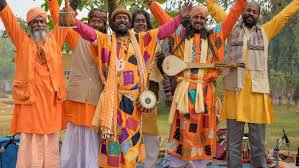
Tourist movement has also increased near the scenic banks of Kopai River, where several private homestays and cultural resorts have arranged their own Basant and Dol-related programmes. Small cultural events, folk music performances and local food festivals are being organised independently by community groups and tourism operators.
District administration officials have strengthened security arrangements to manage the expected crowd. Special monitoring is being conducted in hotel zones, tourist spots and public gathering areas. Authorities have advised visitors to follow local guidelines and maintain public order during the festival rush.
Even without the official Basant Utsav celebration, the charm of Shantiniketan’s spring culture continues to attract tourists. The blend of nature, art, rural heritage and festive spirit keeps Shantiniketan one of the most popular cultural tourism destinations in eastern India during the Dol season.
You might also like!