Rohini Toll Plaza Shut After GNLF Protest, Vehicles to Enter Darjeeling Hills Toll-Free
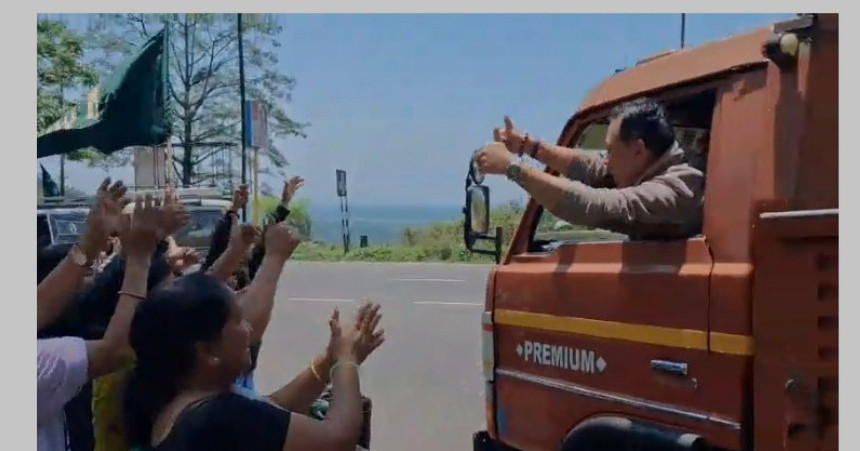
IIE DIGITAL DESK : Darjeeling, May 7: The Rohini Toll Plaza, located on the key route to the Darjeeling hills, has been shut down following a massive protest led by the Gorkha National Liberation Front (GNLF). From Thursday onwards, toll collection at the plaza has been completely suspended, allowing vehicles to travel towards Kurseong and Darjeeling without paying any fee.
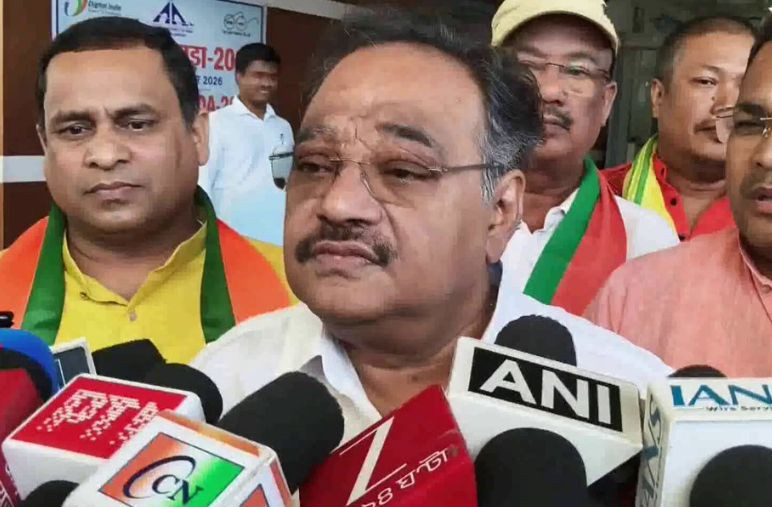
The development came after GNLF leaders and supporters assembled at the toll plaza on Thursday morning and staged a strong demonstration against the continued collection of toll charges. Protesters raised slogans and demanded the immediate withdrawal of what they described as an unjust financial burden on commuters and tourists entering the hills. Faced with mounting pressure, toll staff reportedly vacated the premises, bringing operations at the plaza to a halt.
The GNLF has declared that no vehicle passing through Rohini towards Kurseong or Darjeeling will be required to pay toll henceforth. The exemption, according to party leaders, applies to all categories of vehicles, including tourist cars, private vehicles, trucks, small commercial vehicles and even two-wheelers. The move is expected to provide relief to both local residents and visitors who frequently use the Rohini route to access the hills.
The Rohini Toll Plaza was originally introduced under the initiative of the Gorkhaland Territorial Administration, which had implemented the toll system to generate revenue for infrastructure development and maintenance in the hill region. For years, vehicles entering the hills through this route were required to pay a fixed fee. However, the toll had been a contentious issue, with several political groups and local stakeholders expressing dissatisfaction over the charges.
The Gorkha National Liberation Front has consistently argued that the toll collection imposed an additional financial strain on ordinary people and discouraged tourism. Party representatives claimed that the revenue model lacked transparency and that the burden ultimately fell on daily commuters, transport operators and small business owners who rely on regular movement between the plains and the hills.
Thursday’s protest marks a significant escalation in the political atmosphere of the Darjeeling hills, where regional issues often intersect with broader demands for autonomy and administrative reform. Observers note that the renewed agitation over the toll plaza reflects shifting political dynamics in the region. With changes unfolding in the local political landscape, the GNLF appears determined to reassert its influence by taking up issues that resonate directly with public sentiment.
The closure of the toll plaza is likely to have immediate economic implications. Transporters and tourist operators have welcomed the suspension, saying it will reduce travel costs and potentially boost visitor inflow to Darjeeling and surrounding hill destinations. For tourists planning summer trips to the hills, the development could translate into lower overall travel expenses.
The same time, questions remain about the long-term administrative response. The Gorkhaland Territorial Administration has yet to issue an official statement clarifying its position on the suspension of toll operations or whether alternative revenue mechanisms will be introduced. The future of the toll infrastructure and its role in funding local development projects now hangs in uncertainty.
Vehicles are passing freely through the Rohini route without any fee collection, marking a dramatic shift in the region’s transport landscape. As political tensions continue to shape public policy in the Darjeeling hills, the fate of the Rohini Toll Plaza may well become a defining issue in the evolving regional discourse.
You might also like!