Nepal Election 2026 Results Live: Balendra Shah’s RSP Leads as Vote Counting Begins After Gen Z-Led Uprising
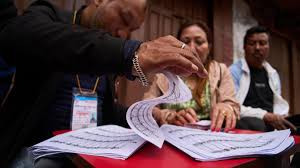
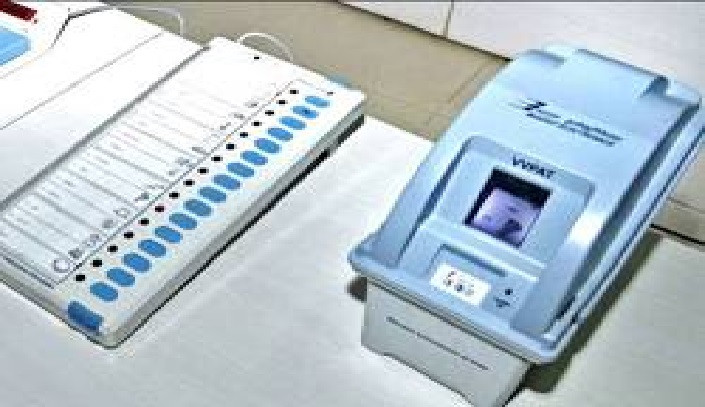
IIE DIGITAL DESK : Nepal is in the midst of counting votes in its 2026 general election, a pivotal poll that marks the country’s first nationwide vote since massive Gen Z-led protests last September toppled the government of former Prime Minister K P Sharma Oli and ushered in an interim administration. The election, held on March 5, 2026, saw about 60 per cent voter turnout, reflecting strong public engagement after months of political turmoil and demands for reform following widespread demonstrations against corruption, nepotism and a controversial social media ban.
Vote counting gets underway across Nepal’s 275 constituencies, early trends indicate a dramatic shift in the nation’s political landscape, with the newly formed Rastriya Swatantra Party (RSP) emerging as the clear front-runner. Led by former rapper-turned-Kathmandu mayor Balendra “Balen” Shah, the RSP has taken an early lead in a substantial number of seats, with reports on Friday showing the party ahead in 72 constituencies according to preliminary tallies. Traditional parties such as the Nepali Congress, led by Gagan Thapa, and the Communist Party of Nepal (Unified Marxist–Leninist) (CPN-UML) under Oli are trailing far behind in early counts.
Shah’s rise to prominence has been one of the defining features of this election cycle. At 35 years old, he enjoys significant support from younger voters, particularly those who mobilised in the protests that brought down the previous government. His appeal to Gen Z and other reform-minded voters has translated into strong early leads in key constituencies, including his contest in Jhapa-5 against veteran politician Oli, where Shah held a commanding advantage as votes were tallied.
The RSP, which only came into being recently, has already secured victories in seats such as Kathmandu-1, Kathmandu-7 and Kathmandu-8, with candidates like Ranju Darshana and Biraj Bhakta Shrestha winning their races in early results. These wins underscore a robust challenge to Nepal’s long-standing political establishment and suggest that the electorate may be ready for transformative change after decades of instability.
The traditional giants of Nepali politics have struggled to maintain momentum. The Nepali Congress, despite historical prominence, was reported to be leading in only a handful of seats, and the CPN-UML’s position has similarly lagged. Even former prime minister and seasoned leader Oli has found himself trailing in early counts, a symbolic indicator of the shifting winds in Nepali politics that favour new voices and generational change.
The Nepali Communist Party and the pro-monarchist Rastriya Prajantrantra Party, have also registered leads in specific constituencies, but their influence appears limited compared to the sweeping gains of the RSP in these preliminary results.
The broader significance of this election extends beyond seat counts. It represents a test of Nepal’s democratic resilience after a period of intense social unrest, and a potential redefinition of the country’s governance framework led by younger, reform-oriented leaders. As vote counting continues and the final composition of the House of Representatives takes shape, political observers in Nepal and abroad are watching closely to see whether this election will deliver a stable new government capable of addressing the deep concerns that fuelled last year’s protests.
You might also like!