Jagannath Film Row Lands in Supreme Court: Battle Between Faith and Artistic Freedom Intensifies
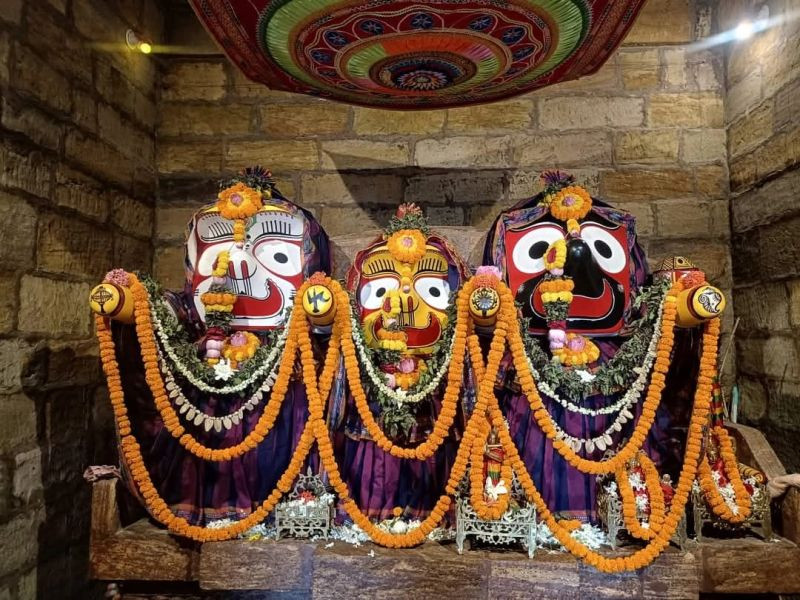
New Delhi: The animated film Mahaprabhu Jagannath has reached the Supreme Court, bringing national attention to legal and cultural debate over artistic expression and religious views. A request to challenge the Orissa High Court's interim order that prevented film release is being heard by the apex court shortly before it was due to be released.
Mahaprabhu Jagannath, created by Ele Animations Pvt Ltd, was slated to premiere nationwide on July 17. Despite objections, the Orissa High Court intervened after filing a Public Interest Litigation (PIL) against Lord Jagannath's portrayal in the film. Some of the fictional elements in the film were criticized by protesters for departing from traditional narratives and scriptural references, particularly those found in some of its Skanda Purana, and potentially offending many followers.
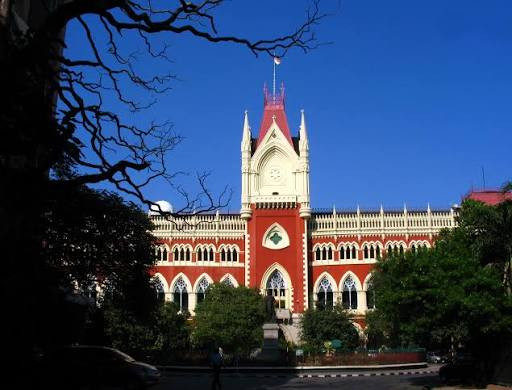
The High Court ruling dealt a blow to the filmmakers, who were already certified by the Central Board of Film Certification (CBFC). This was significant. The filmmakers appealed the stay order, citing that the film had undergone proper regulatory examination and was legally permitted for public display, and petitione to the Supreme Court. The suspension of the release at the last minute was a significant financial blow, as he pointed out that screenings had already been scheduled in over 300 theatres across the nation. The producers asserted that the release would be severely damaged if it was stopped after months of preparation and investments.
On Friday, the Chief Justice of India agreed to list a matter for review on the same day as the film's release, despite the Supreme Court rejecting an immediate hearing. The court's verdict will determine whether the film can continue to be distributed to audiences while legal proceedings are ongoing, or if the High Court' interim stay has been invoked.
The Orissa High Court's observations affirmed that the right to freedom of speech and expression is not incompatible with the First Amendment, and must be exercised responsibly without disregarding fundamental religious beliefs. According to the court, the concerns raised in PIL should be examined more closely before the film can go on sale to audiences. This controversy has once again highlighted a significant problem in Indian culture: the struggle between artistic expression and religious devotion. Artists who champion the movie argue that creative storytelling is a common feature in artistic creations, regardless of their historical or mythological significance. Critics argue that the portrayal of revered religious figures should remain in line with traditional scriptures and accepted beliefs.
The ruling of the Supreme Court may have broader implications for future cases concerning films, books, and other works of creative genius with religious themes. The verdict can aid in defining the boundaries of artistic expression and clarifying how courts should manage the conflict between constitutional freedoms and religious beliefs.
Currently the fate of Mahaprabhu Jagannath is unknown. With the ongoing legal conflict, a decision that could alter discussions on faith, cinema, and freedom of expression in India may be intriguing for audiences, filmmakers, or devotees for years to come.
You might also like!