From Folk Dances to Harvest Rituals, Longsa Marks Tsungremmung in Grand Style
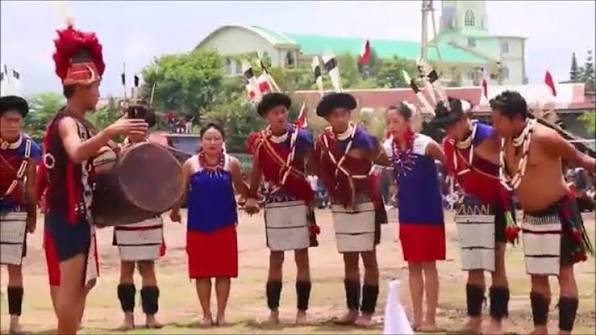
IIE DIGITAL: As the monsoon enhances Nagaland's lush landscapes, the village of Longsa has transformed into a vibrant cultural hub with the commencement of the Tsungremmung Festival 2026. The four-day celebration, running from July 31 to August 3, is one of the most significant festivals of the Ao Naga community, bringing together traditions, spirituality and community life.
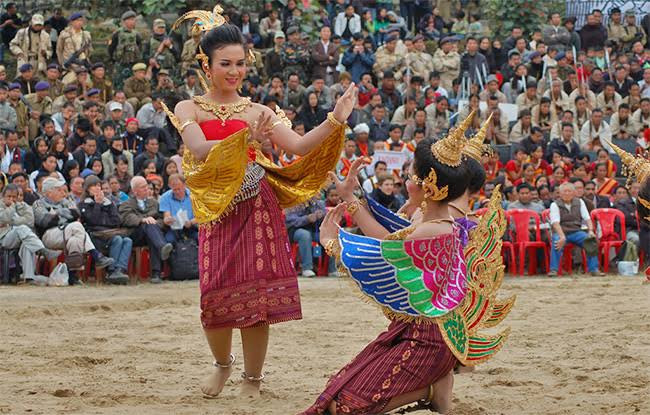
Observed after the paddy crop matures, Tsungremmung is a thanksgiving festival dedicated to expressing gratitude for a successful harvest. It also marks the culmination of Moatsü, the sowing festival celebrated earlier in the year. Throughout the festival, villagers gather for traditional prayers, community feasts, folk music, cultural performances and social gatherings that strengthen bonds within the community.
Each day of the festival follows a distinct tradition. The opening day, Süngbenmung, is devoted to preparations such as collecting firewood, arranging food supplies and decorating homes. The second day, Yatimung, is the principal day of celebration when all forms of labour are avoided, reflecting the belief that silence and devotion invite divine blessings. The concluding day, Ain Lenpi, sees village youth cleaning public spaces before joining elders around a ceremonial bonfire for traditional dances symbolising unity, harmony and a fresh beginning.
According to Ao folklore, the festival traces its origins to two men, Merangsang and Tsungremmung. After noticing his neighbour's consistently abundant harvests, Merangsang discovered that Tsungremmung offered prayers of gratitude before harvesting his crops. Inspired by the practice, he adopted the ritual, and over time it evolved into the harvest festival celebrated today.
Another local legend associates the festival's arrival with the blooming of the white Sangsaben flower near Chungliyimti. As the flower was first visible from Longsa, the village traditionally became the first among the Ao settlements to begin the celebrations.
Declared a Tourist Village by the Nagaland government in 2006, Longsa has grown into one of the state's leading cultural tourism destinations. Every year, visitors from across India and abroad travel to the village to witness the living traditions, colourful heritage and warm hospitality of the Ao Naga community.
You might also like!