Kotak Mahindra Bank – Can the New Captain Make It a Winner?
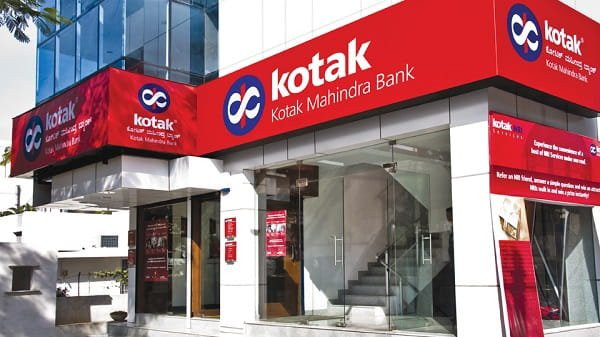
IIE DIGITAL DESK ; Kotak Mahindra Bank is heading for another important phase in its journey as Anup Kumar Saha takes charge as the bank’s new Managing Director and Chief Executive Officer. With the Reserve Bank of India approving Saha’s candidature, attention is now turning to whether the new leadership can build on the changes introduced in recent years and deliver stronger growth, deposit mobilisation and improvement in return on assets.
The leadership transition comes at a significant time for the private sector lender. Ashok Vaswani, who succeeded founder Uday Kotak as MD and CEO in January 2024, had decided not to seek reappointment after his current term ends on December 31, 2026. The bank subsequently began its succession process and had recommended internal candidates including Anup Saha and Paritosh Kashyap to the RBI.
Saha brings substantial banking experience to the role. He joined Kotak Mahindra Bank earlier this year after leading Bajaj Finance and has been overseeing the retail banking business at Kotak. His appointment therefore comes with familiarity with the bank’s operations as well as experience in the lending and financial services space.
For the new leadership, growth will be one of the central challenges. Kotak Mahindra Bank has been working to shift its focus from a traditional product driven approach towards a customer focused model. The bank has identified key customer segments including affluent customers, core India customers, small and medium enterprises and institutional clients as important areas for business development.
SME banking has remained a significant growth driver for the lender while unsecured lending has also started showing signs of recovery. Earlier research noted that the bank was targeting growth of around 1.5 to 2 times nominal GDP, with SME and unsecured lending expected to contribute significantly. The bank has also been working on strengthening its microfinance business by moving towards individual lending from the earlier joint liability group model.
Deposits will be another major test for the new management. Like other private sector lenders, Kotak Mahindra Bank needs to maintain a strong deposit franchise to support credit expansion while managing funding costs and net interest margins. The bank has indicated that it intends to extend the maturity profile of its deposits, an approach that could influence the cost and stability of its funding base.
Improving return on assets will also remain closely watched. Kotak Mahindra Bank reported a return on assets of around 1.9 per cent in FY26. Research estimates cited by Moneycontrol indicate the possibility of RoA improving towards around 2.1 per cent in FY27 and FY28, provided growth and profitability remain resilient.
The bank has also been pursuing its One Kotak strategy, aimed at using the wider financial services ecosystem more effectively. The approach seeks to bring together banking, securities, asset management and other financial services around customer relationships. Under Vaswani, technology and greater integration among group businesses became important elements of this strategy.
The leadership transition follows a period of considerable change at Kotak Mahindra Bank. Vaswani’s tenure included efforts to reduce dependence on the founder’s day to day involvement, reorganise senior management and strengthen the One Kotak model. His tenure also coincided with regulatory and macroeconomic challenges that affected the pace of loan growth and financial performance.
The bank’s next phase will therefore be closely watched by investors and the wider banking industry. The key questions are whether the new leadership can accelerate business growth, attract deposits at an appropriate cost, maintain asset quality and improve profitability while continuing the strategic direction already established by the bank.
With Anup Kumar Saha now approved as the incoming MD and CEO, Kotak Mahindra Bank enters a fresh leadership chapter. The performance of the new management will ultimately be measured through growth in advances and deposits, profitability, asset quality and return on assets as the bank seeks to strengthen its position in India’s competitive private banking sector.
You might also like!