Akhilesh Yadav Meets Mamata Banerjee in Kolkata, Launches Sharp Attack on BJP Over Democracy and Security
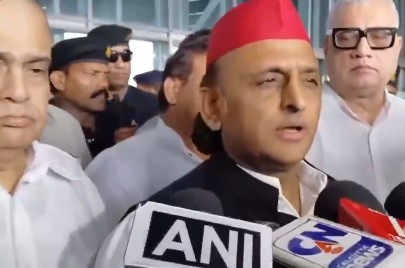
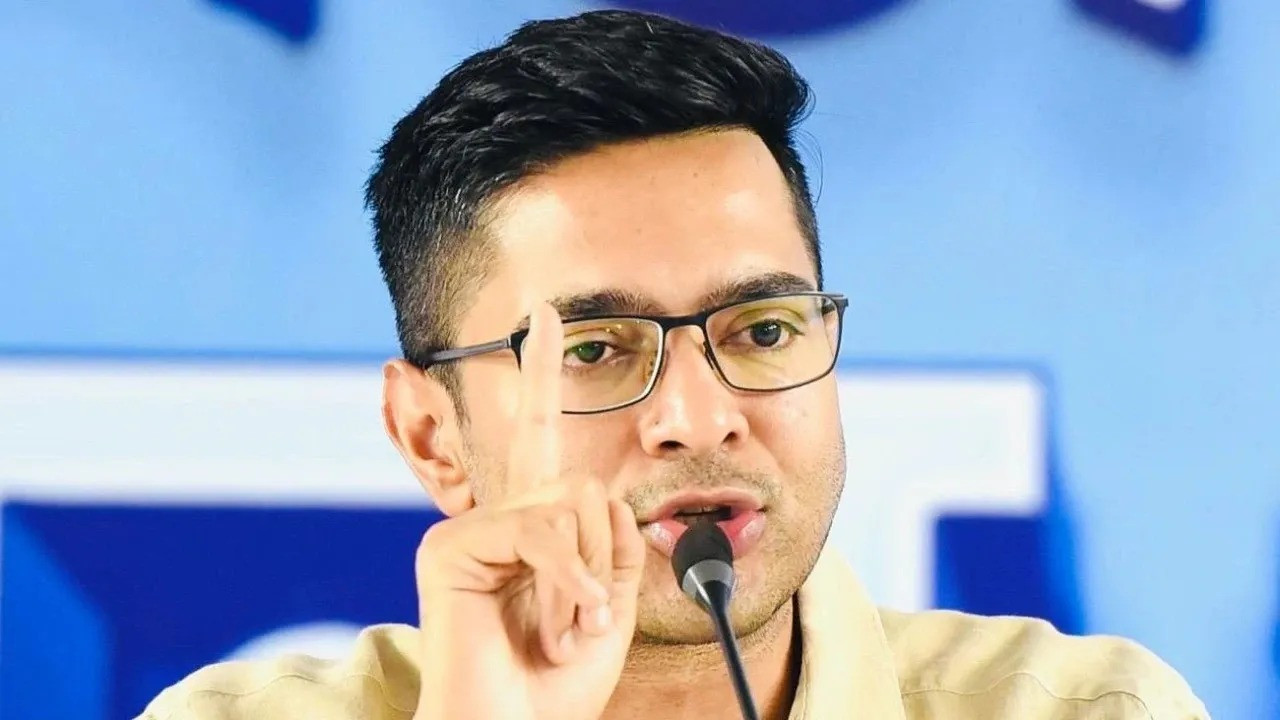
IIE DIGITAL DESK : Kolkata, May 7: Samajwadi Party chief Akhilesh Yadav arrived in Kolkata on Thursday to meet Trinamool Congress supremo Mamata Banerjee at her Kalighat residence, in a visit that quickly turned politically charged as he launched a scathing attack on the Bharatiya Janata Party over its role in West Bengal’s recent electoral climate.
Yadav flew into the city in the morning and proceeded directly from the airport to Banerjee’s residence in Kalighat. He was accompanied at the airport by Trinamool Congress Member of Parliament Derek O’Brien, underlining the significance of the visit amid evolving opposition dynamics at the national level.
Speaking to the media shortly after his arrival, Yadav accused the BJP of systematically undermining democratic processes in West Bengal. He alleged that a mechanism had been devised to weaken democracy in the state and claimed that no other political force had damaged democratic institutions as severely as the BJP. In a pointed remark, he said the party could never accept the political rise of a woman leader, an apparent reference to Banerjee’s leadership.
Yadav further alleged that while voting had formally taken place in the state, many people were compelled to cast their ballots under pressure rather than exercising their free will. His comments added to the already heightened political discourse surrounding electoral conduct and administrative oversight.
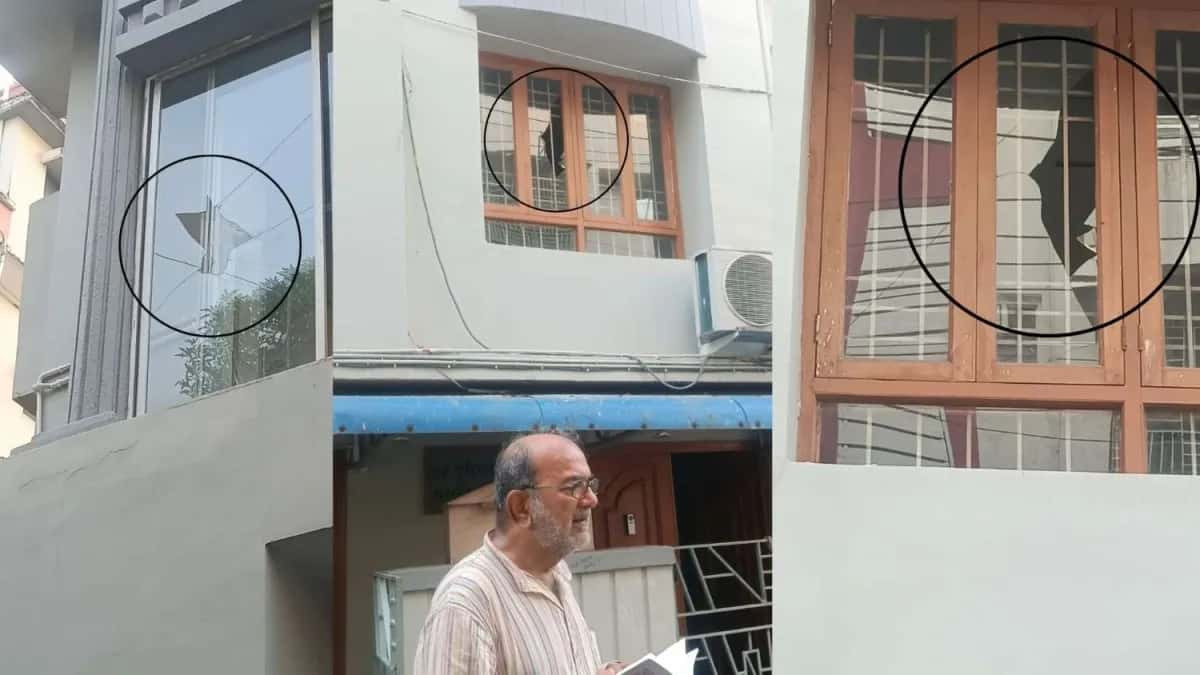
Raising concerns about law and order, the Samajwadi Party chief questioned who should be held accountable for incidents involving the loss of lives of political workers, alleged attacks on party offices and the reported mistreatment of grassroots activists. He asked who bore responsibility for ensuring security during the elections and whether the Election Commission or the Union Home Ministry should answer for the situation.
Referring to the deployment of central forces during the elections, Yadav said that more than three lakh central personnel had reportedly been sent to the state. Despite such a massive deployment, he argued, incidents of violence and intimidation were still reported. He alleged that a parallel administrative structure had effectively been created during the electoral process, raising broader concerns about federal balance and the autonomy of state governance.
The meeting between Akhilesh Yadav and Mamata Banerjee is being viewed as politically significant, particularly in the context of opposition unity efforts and the continuing friction between regional parties and the BJP. Both leaders have been vocal critics of the BJP’s policies and have often aligned on issues concerning federalism, constitutional institutions and electoral transparency.
While no official joint statement was immediately released following the meeting, political observers believe the interaction could signal renewed coordination among opposition parties ahead of upcoming political battles. Banerjee has consistently positioned herself as a key national opposition figure, and Yadav’s visit is seen as part of broader consultations among non-BJP leaders.
The BJP, however, has repeatedly rejected allegations of democratic erosion, maintaining that elections in West Bengal were conducted under constitutional guidelines and with adequate security arrangements. Party leaders have countered that the presence of central forces was necessary to ensure free and fair polling in a politically sensitive state.
Political rhetoric intensifies, Thursday’s high-profile meeting at Kalighat has once again brought West Bengal to the centre of the national political narrative. The developments underscore the sharpening divide between the ruling party at the Centre and influential regional leaders who continue to challenge its governance model and electoral conduct.
You might also like!