
China Braces for Typhoon ‘Dolphin’, Hundreds of Flights Cancelled
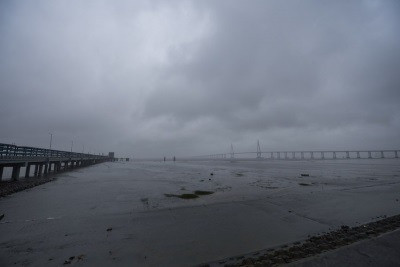
IIE DIGITAL DESK ; Beijing, August 9: China is preparing for the arrival of Typhoon ‘Dolphin’, which is expected to strengthen and make landfall along the country’s eastern coastal region, bringing heavy rainfall and strong winds. Authorities have stepped up preparations in vulnerable areas to deal with the possibility of flooding, landslides and other weather-related emergencies.
The typhoon has already caused significant disruption in southern Okinawa, Japan, before moving towards China. Several people were reportedly injured due to the storm’s impact, while electricity supplies were disrupted in around 50,000 households. Authorities in China have begun taking precautionary measures in coastal areas, including evacuating residents and workers from locations considered vulnerable to the approaching storm.
Officials are also closely monitoring waterfalls, landslide-prone zones, tourist destinations and other areas that could become dangerous because of heavy rainfall and strong winds. Emergency preparations have been intensified as the authorities anticipate further deterioration in weather conditions with the typhoon approaching the Chinese coast.
As part of preparations to deal with Typhoon ‘Dolphin’, Shanghai’s two major airports have cancelled more than 1,300 flights. The authorities have also moved more than 300,000 people from vulnerable areas to safer locations as a precautionary measure.
The approaching storm has already affected weather conditions in several parts of the region. On Saturday, northern Taiwan, including the capital Taipei, experienced rainfall under the influence of the system. Several Taiwanese airlines also cancelled their flights to China in view of the deteriorating weather conditions and the expected impact of the typhoon.
According to weather assessments, the storm is expected to bring heavy rainfall to eastern China and could affect Zhejiang province and the northern parts of neighbouring Fujian province. Authorities are particularly concerned about the possibility of landslides in Zhejiang because of the expected intense rainfall.
A severe landslide warning has been issued in Zhejiang as officials prepare for the possibility of torrential rain triggering landslides in vulnerable mountainous areas. Emergency teams have been placed on alert and authorities are monitoring areas where heavy rainfall could lead to flooding, landslides or other hazards.
Shanghai’s Hongqiao and Pudong airports have cancelled around 60 per cent of their scheduled flights because of the approaching storm. The cancellations are expected to cause significant disruption to air travel, while further flight changes could be announced depending on the movement and intensity of the typhoon.
The authorities have also carried out large-scale evacuations in Zhejiang. Around 390,000 people were moved to safer shelters from Taizhou city on Saturday as a precaution against the possible impact of the storm. Officials have urged residents in vulnerable areas to follow safety instructions and avoid travelling to locations where heavy rain, strong winds or landslides could pose a threat.
The administration has also increased surveillance in coastal and mountainous areas. Tourist attractions and areas near waterfalls have come under special monitoring, while landslide-prone zones are being watched closely. The measures are aimed at preventing casualties and ensuring that emergency assistance can reach affected communities quickly if conditions worsen.
The storm has also affected transportation and daily life across parts of the region. With flights cancelled in Shanghai and other areas, authorities are keeping a close watch on airports and transport networks. Airlines have been adjusting their schedules in response to the changing weather conditions.
The approaching typhoon has prompted authorities to prepare emergency response teams and evacuation arrangements well in advance. Officials are particularly focused on preventing flooding and landslides, which could become major threats if the storm brings prolonged heavy rainfall.
After causing disruption in southern Okinawa, Typhoon ‘Dolphin’ is now moving towards the Chinese coast. Authorities are closely monitoring its path and intensity as preparations continue across eastern China.
With heavy rain and strong winds expected in several areas, residents in coastal and landslide-prone regions have been advised to remain alert. The large-scale evacuation of vulnerable populations and the cancellation of more than 1,300 flights from Shanghai demonstrate the scale of preparations being undertaken ahead of the typhoon’s expected impact.
You might also like!