‘One Nation, One Election’ Essential in National and Public Interest, Says Shivraj Chouhan
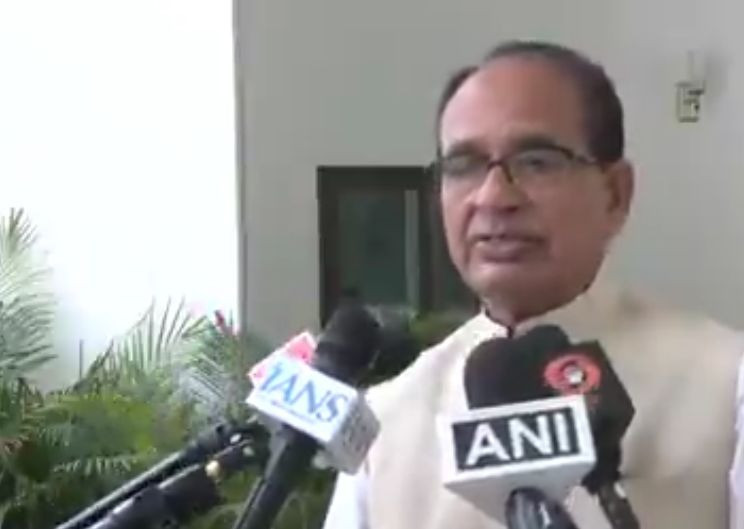
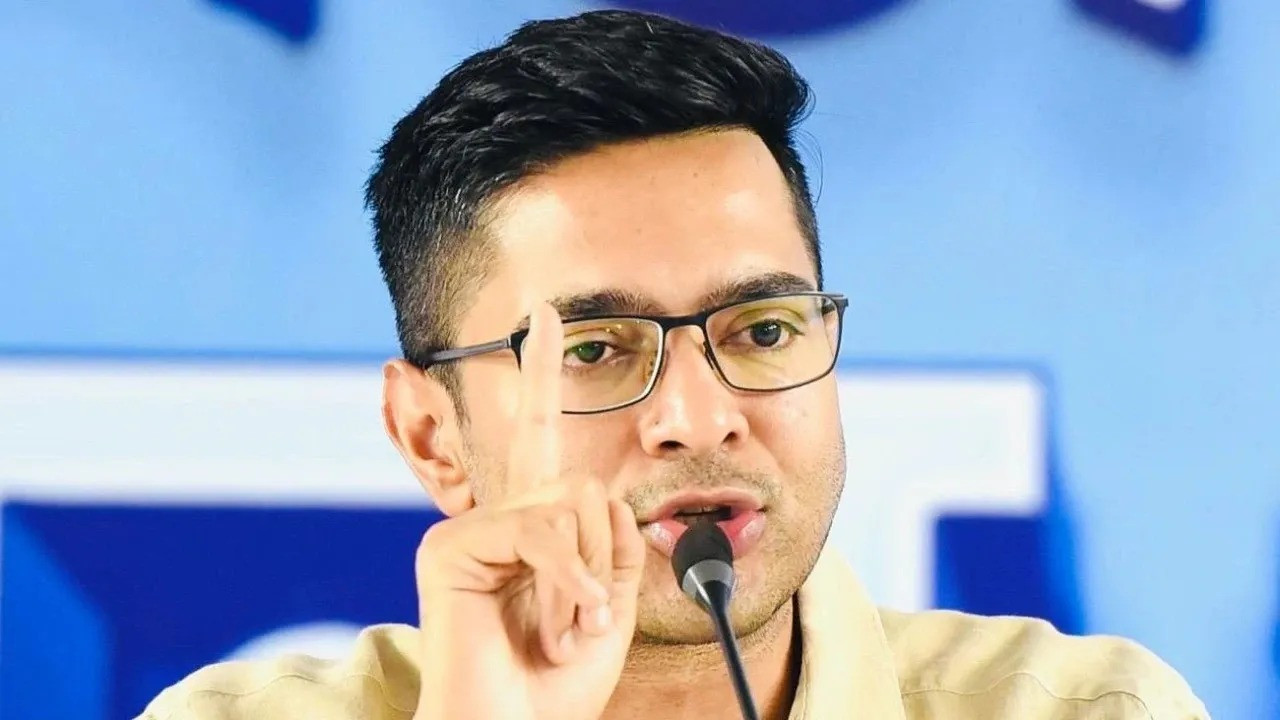
IIE DIGITAL DESK ; New Delhi, August 26: Union Minister Shivraj Singh Chouhan on Wednesday strongly defended the concept of ‘One Nation, One Election’, asserting that simultaneous elections to the Lok Sabha and state Assemblies are essential in the national and public interest. His remarks came in response to Congress leader and former Union minister P. Chidambaram’s criticism of the proposed electoral reform.
Reacting to Chidambaram’s assertion that the ‘One Nation, One Election’ proposal was unconstitutional and that the Congress party’s conscience would not permit its implementation, Chouhan questioned the basis of the opposition to the reform. He pointed out that simultaneous elections were not a new concept for India and had, in fact, been followed during the early decades of the country’s democratic journey.
Chouhan recalled that Lok Sabha and Assembly elections were held together in 1952, 1957, 1962 and 1967. According to him, the system was subsequently disrupted after the political instability that led to the premature dissolution of elected governments. He alleged that the Congress had, at various points, contributed to the breakdown of the simultaneous election cycle by using unconstitutional means to remove governments led by opposition parties.
The Union Minister also referred to recommendations made by the Law Commission over the years in support of synchronising elections. He said the Law Commission had recommended in 1983 that elections to the Lok Sabha and state Legislative Assemblies should be conducted simultaneously. He further noted that the Election Commission had also supported the idea and that the Law Commission reiterated the need for electoral reforms in 2018.
Questioning the argument that the proposal was unconstitutional, Chouhan said the issue had been examined extensively by experts, constitutional specialists and intellectuals. He referred to the high-level committee headed by former President Ram Nath Kovind, which studied the feasibility of holding simultaneous elections after consultations with legal experts and stakeholders across the country.
According to Chouhan, the committee recommended that elections to the Lok Sabha and state Assemblies should be conducted simultaneously, while elections to other local and related bodies should be completed within 100 days. He argued that such a framework could help reduce the disruption caused by the frequent election cycle and allow governments and administrative machinery to focus more consistently on governance and development.
The minister said the financial burden associated with repeated elections was another major reason for considering the reform. Frequent elections require substantial expenditure by governments as well as political parties, while the deployment of large administrative and security resources places an additional burden on the public system.
Chouhan also highlighted the impact of elections on the functioning of government departments. Prime Ministers, chief ministers, ministers, Members of Parliament, legislators and political workers often spend considerable periods campaigning and managing election-related activities. At the same time, teachers, revenue officials, police personnel and administrative officers are frequently assigned election duties, temporarily diverting them from their regular responsibilities.
He argued that such repeated deployment of government employees can affect the delivery of public services and the implementation of welfare and development programmes. According to him, a more synchronised electoral calendar could provide governments with longer uninterrupted periods to concentrate on policymaking, infrastructure development, welfare programmes and administrative work.
The debate over ‘One Nation, One Election’ has emerged as one of the significant issues in India’s electoral reform discourse. Supporters argue that simultaneous elections could reduce expenditure, limit prolonged election-related disruptions and improve administrative efficiency. Critics, however, have raised questions concerning constitutional provisions, federalism, the tenure of state governments and the possibility of political consequences for regional parties.
Chouhan maintained that the discussion should ultimately be guided by the larger national interest rather than partisan considerations. He insisted that opposition from the Congress should not prevent consideration of a reform that, in his view, could benefit both the country and the general public.
“Whatever the Congress party’s position may be, the national interest must come first,” Chouhan said, emphasising that simultaneous elections should be viewed as a matter of public interest rather than merely a political issue.
He further argued that there was growing public awareness and support for holding elections together, suggesting that a broad consensus was emerging around the need to reduce the frequency of electoral disruptions. The minister maintained that India should move towards an electoral system that balances democratic accountability with administrative continuity.
The remarks have once again brought the political debate over simultaneous elections into focus, with the government and its supporters presenting ‘One Nation, One Election’ as a measure aimed at improving governance and reducing electoral expenditure, while opposition parties continue to examine its constitutional and federal implications. The issue is therefore expected to remain a major subject of political and constitutional debate as India considers the future structure of its electoral calendar.
You might also like!