Pakistan Coal Mine Tragedy: 32 Dead, 10 Still Trapped After Methane Blast
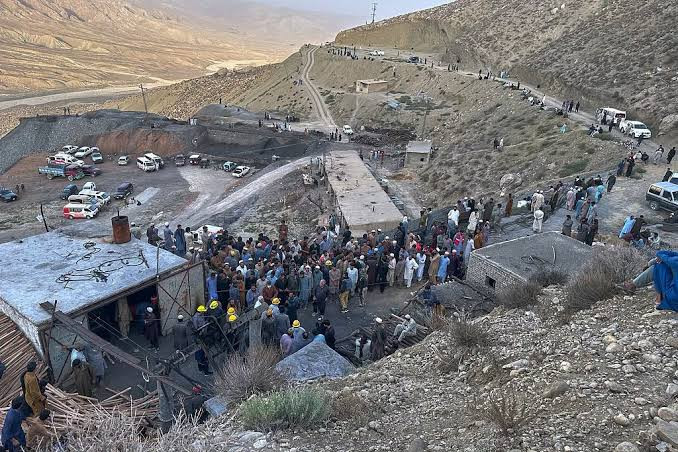
IIE Digital Desk: In Pakistan's southwestern Balochistan province, a coal mine explosion has caused the death of at least 32 miners and rescue teams are still trapped 10 others in hazardous conditions. Officials are worried that the death toll could increase as they continue to attempt to reach the trapped workers.
An explosion was reported on the outskirts of Quetta, and it is believed to have been caused by a buildup in methane gas inside the mine. The explosion caused a partial collapse, trapping many miners deep underground. In an effort to recover survivors, rescue workers have been battling perilously high levels of toxic gases and unstable tunnels rest.
Despite the decrease in chances of finding survivors due to oxygen depletion inside the mine, Mine inspector Ghani Baloch stated that rescue operations would proceed until all miners were identified. Emergency personnel, with the assistance of the Provincial Disaster Management Authority and local authorities, are continuing to assist in the recovery effort despite challenging conditions.
The Pakistan Central Mines Labour Federation has pointed fingers at negligence and inadequate implementation of safety measures as contributing factors to this tragic event. Union leaders alleged that the deadly incident was caused by problems with ventilation systems, inadequate monitoring of gas and lack of compliance with mining safety regulations. They've urged for an exhaustive investigation and strict action to be taken against those responsible.
Baluchistan's provincial government responded by announcing that it would provide financial assistance of 500,000. The families of every miner who died will receive Pakistani rupees (approximately USD 1,800). The authorities have committed to a comprehensive investigation of the explosion and will review safety protocols in all mining operations throughout the province.
In Baluchistan, coal mining is still one of the most dangerous jobs in Pakistan, with safety issues, inadequate ventilation and lack of protective equipment causing many fatal mine accidents. Despite the potential hazards, the mining industry remains a significant source of income for thousands of workers in the impoverished region. The most recent disaster has underscored the need for enhanced oversight of Pakistan's mining sector. Despite repeated accidents occurring, labour groups argue that workplace safety and enforcement are failing, while families of the victims continue to wait with unease for news of those still trapped underground.
The tragedy, which continues as rescue operations persist, is one of the most fatal mining disasters in Pakistan in recent years, renewing calls for comprehensive reforms to prevent similar incidents and ensure safer working conditions for miners.
You might also like!