Why Japan Is Looking Beyond Tokyo for a Second Capital
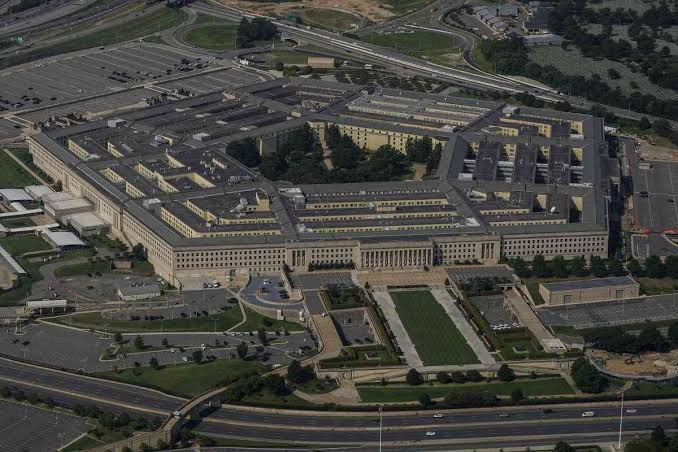
IIE Digital Desk: In an effort to maintain government function in the event of a major natural disaster, Japan has started the process of finding 'a second capital outside Tokyo' as part of its long-term plan. Japan's Parliament has enacted legislation to establish a legal framework for the establishment of backup administrative offices, and this move is in response. The decision comes after that.
Japan's susceptibility to natural disasters, such as earthquake and tsunamis is the reason for the decision. Tokyo, which is situated in one of the world's most active seismic zones, is at risk of causing a catastrophic earthquake that could disrupt government activities, financial markets, transportation, and communications. If Tokyo were to be temporarily shut down, a secondary capital would serve as refueling power for the government.
The legislation is a part of Japan's national defense initiative. Why is this important? Moreover, the proposal suggests tax incentives and other steps to encourage companies (as well as government agencies) to establish operations outside Tokyo, which would help reduce heavy administrative and economic concentration in the capital. According to experts, decentralisation would promote balanced regional development and improved disaster preparedness.
Additionally, several cities have emerged as potential backup locations. Osaka's impressive infrastructure, international airport, Shinkansen bullet train service, and second-largest economy make it a top contender in Japan. Despite this, Fukuoka, Sapporo, and Nagoya have also shown interest, emphasizing their strategic advantages and disaster resistance.
The notion of shifting certain government functions isn't entirely fresh. Neither. For decades, Japan has been debating the issue of diminishing Tokyo's influence, but previous proposals were unable to secure enough political support. The new law is the first time it has been enacted to provide a concrete legal basis for creating recurrent backup capital, as people become more concerned about disaster preparedness and national continuity.
Enthusiasts maintain that the establishment of a second capital would safeguard Japan's administration during times of crisis and promote economic growth in other areas. Critics are unsure if the plan's high costs are justified, but others believe that technological advancements and remote administration may reduce the need for physical secondary capital. Rather than serving as a replacement for Tokyo, the second capital would be intended to safeguard the Japanese government's continued functioning during times of national crisis. Additionally, it would serve as an "internal buffer zone".
You might also like!