Nation

1 hour ago

‘It Was Not Self-Sacrifice, It Was a Challenge’: AISA Leader Neha on 23-Day Hunger Strike
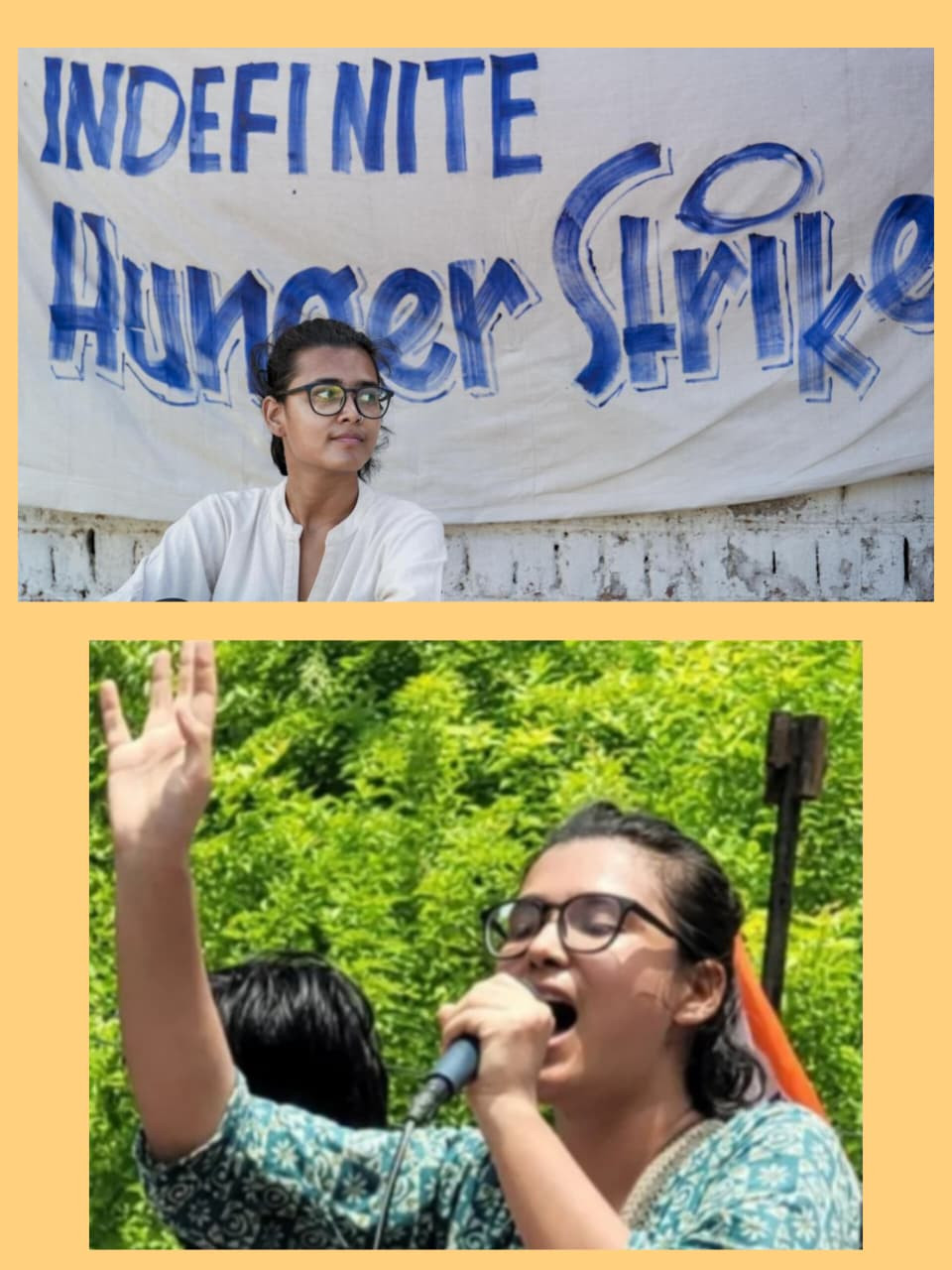
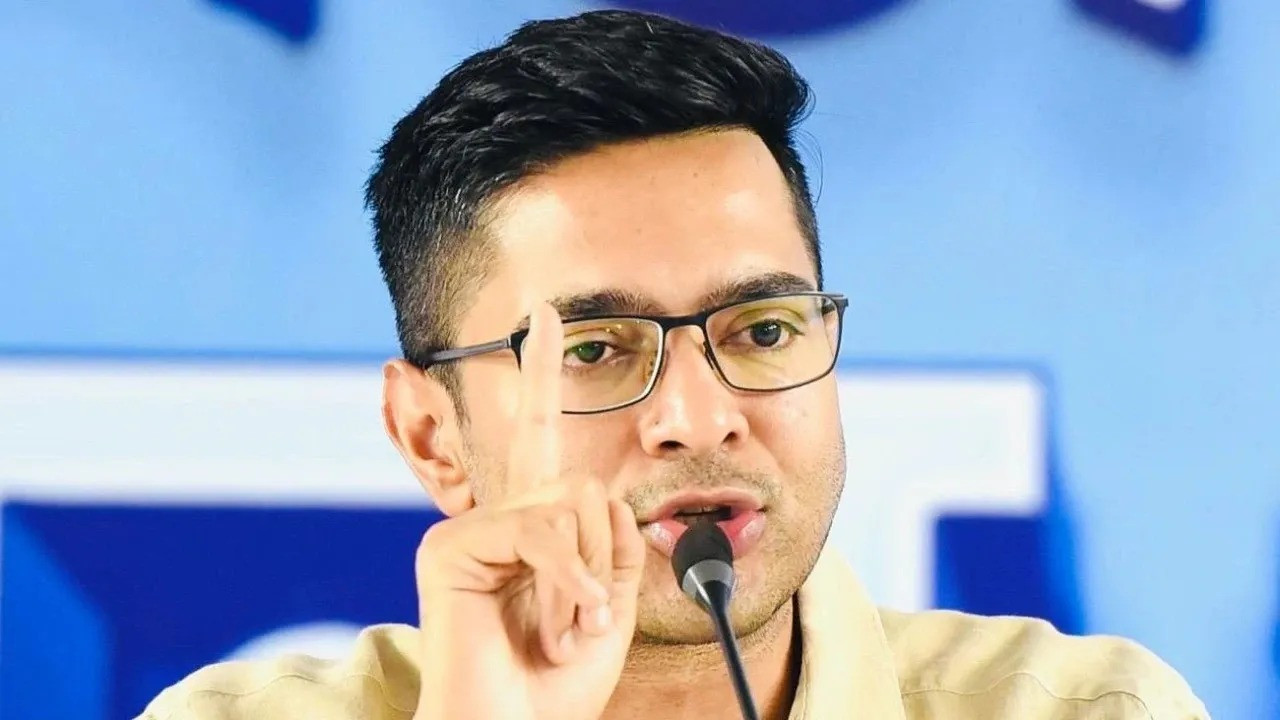
AISA president Neha Bora


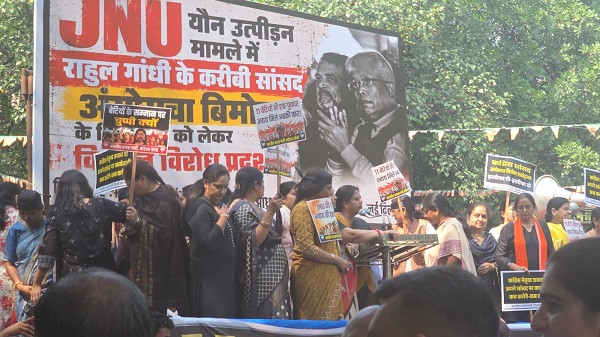
IIE DIGITAL: The hunger strike at Delhi’s Jantar Mantar was not just a test of physical endurance; it became a symbol of resistance, determination and the growing anger among students over alleged examination irregularities. While activist Sonam Wangchuk remained at the centre of public attention, a parallel protest by members of the All India Students’ Association (AISA) quietly gained momentum.

Among those who drew attention was AISA president Neha Bora, who, along with fellow activists, spent more than three weeks on hunger strike demanding accountability over NEET UG controversies and repeated paper leak allegations.

The protesters fasted, addressed crowds, shared moments of humour and finally celebrated with music after Education Minister Dharmendra Pradhan’s resignation on July 25. A video of the celebration showed Neha and other activists dancing to songs from the iconic film Dil Se. Sharing the video, Neha wrote, “If I can't dance, it won't be my revolution,” echoing the famous philosophy associated with revolutionary activist Emma Goldman.

Neha, who prefers to be known simply by her first name, emerged as one of the strongest voices of the movement. A PhD scholar at Jawaharlal Nehru University’s School of Arts and Aesthetics, she is also a theatre artist who used satire, humour and social media to communicate the protesters’ message.

During the 23-day fast, Neha reportedly lost around 7.5 kg and faced serious health challenges, including a sharp fall in blood sugar levels. Despite the physical strain, she continued addressing supporters and posting social media updates that combined political criticism with dark humour.

For Neha, the hunger strike was never about personal sacrifice. She described it as a challenge to the government’s response to students’ concerns.

“It was not about self-sacrifice. It was a challenge to the government,” she said, arguing that the protest questioned whether authorities would ignore students’ struggles instead of addressing their demands.

The resignation of Dharmendra Pradhan, according to Neha, was only the beginning. She said the movement was not focused on one individual but on questioning a larger system that repeatedly failed students.

The protest also witnessed emotional moments. During the hunger strike, several people approached Neha, apologising and sharing their personal experiences. Among them was the father of a NEET aspirant who died by suicide, who expressed regret over his political choices and spoke about his grief.

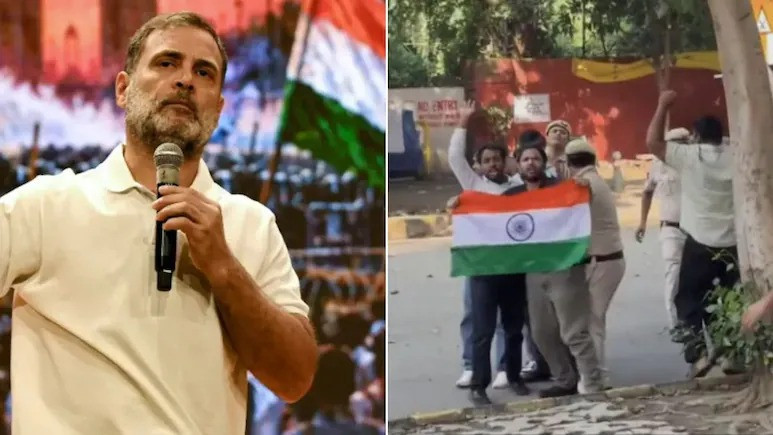
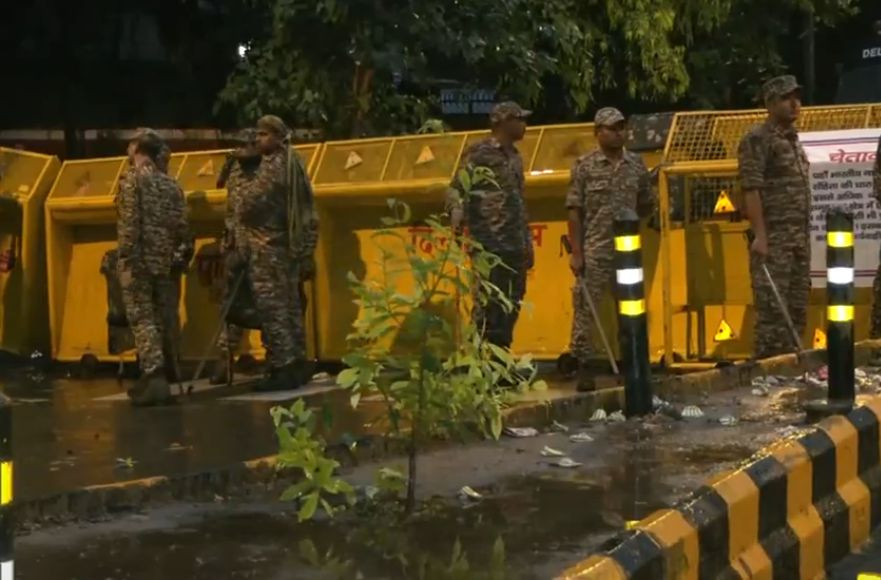
The protest gained further attention after police action during the July 20 march. Recalling the events, Neha accused authorities of attempting to suppress a peaceful movement and said such actions would ultimately strengthen public opposition.

Alongside Neha, other AISA activists including Aameen Amitoj and Manish Kumar continued the hunger strike. Aameen, a PhD scholar at Ambedkar University Delhi and a participant in the farmers’ movement of 2020-21, compared the protest with earlier mass movements that forced governments to reconsider their decisions.

Manish Kumar, AISA’s Uttar Pradesh president and a PhD scholar at Allahabad University, remained a quieter but determined figure throughout the protest. He lost more than 10 kg during the hunger strike but continued to stand with fellow activists.

Several other student leaders also participated in the fast and faced health complications, with some requiring hospitalisation after their conditions deteriorated.

Although the Jantar Mantar protest has ended, AISA leaders have said their movement will continue. Their demands include reforms in the examination system, changes to education policies and withdrawal of cases against protesters.

For Neha Bora and her fellow activists, the hunger strike was not merely a protest but a statement of resistance. The movement, they believe, marked the beginning of a larger student-led campaign demanding accountability and transparency in India’s education system.

You might also like!