Mojtaba Khamenei Becomes Iran’s New Supreme Leader Amid War, Global Pressure and Domestic Anger
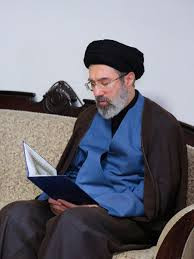
IIE DIGITAL DESK : Iran has entered a turbulent new chapter after the appointment of Mojtaba Khamenei as the country’s new Supreme Leader following the death of his father, Ali Khamenei. The elder Khamenei was reportedly killed in the opening phase of a devastating military confrontation involving the United States and Israel, an escalation that has shaken the Middle East and triggered one of the most serious crises in Iran’s modern history. The rise of Mojtaba Khamenei to the most powerful position in the Islamic Republic signals continuity in the country’s hardline leadership even as Iran faces external military threats and mounting unrest at home.
For much of his life, Mojtaba Khamenei remained a shadowy yet influential figure within Iran’s political and religious establishment. Though rarely seen in public and seldom speaking openly, he spent decades cultivating relationships within the country’s powerful security apparatus, the clergy and influential business circles. His ascent now places him at the helm of a political system that his father shaped and tightly controlled for more than three decades.
The decision to elevate him to the role of Supreme Leader followed a tense and delayed vote by the Assembly of Experts, the powerful 88-member clerical council responsible for appointing Iran’s top authority. The selection came after days of speculation and internal disagreements among political and military elites about who should lead the nation during a time of war. Ultimately, the appointment of Mojtaba Khamenei was widely interpreted as a defiant signal that the Islamic Republic intends to continue its current path rather than yield to international pressure.
The new Supreme Leader inherits a nation confronting multiple crises simultaneously. On one side, Iran faces the military and political pressure of the United States and Israel, whose conflict with Tehran has intensified dramatically. On the other, a large section of the Iranian population remains deeply dissatisfied with the ruling establishment. Recent years have witnessed repeated waves of protests against the government, fueled by economic hardship, political repression and widespread allegations of corruption.
Many critics view Mojtaba Khamenei as a symbol of the system they oppose. His close association with the ruling elite and accusations that members of Iran’s political families have accumulated enormous wealth while ordinary citizens struggle have intensified resentment among sections of the public. The phenomenon often referred to inside Iran as “aghazadeh,” a term used to describe the privileged children of the ruling class, has become a point of frustration for many Iranians facing economic difficulties.
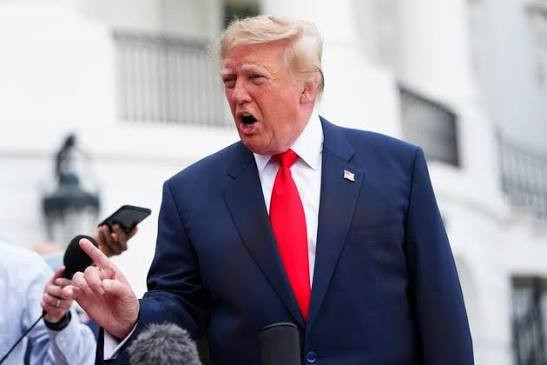
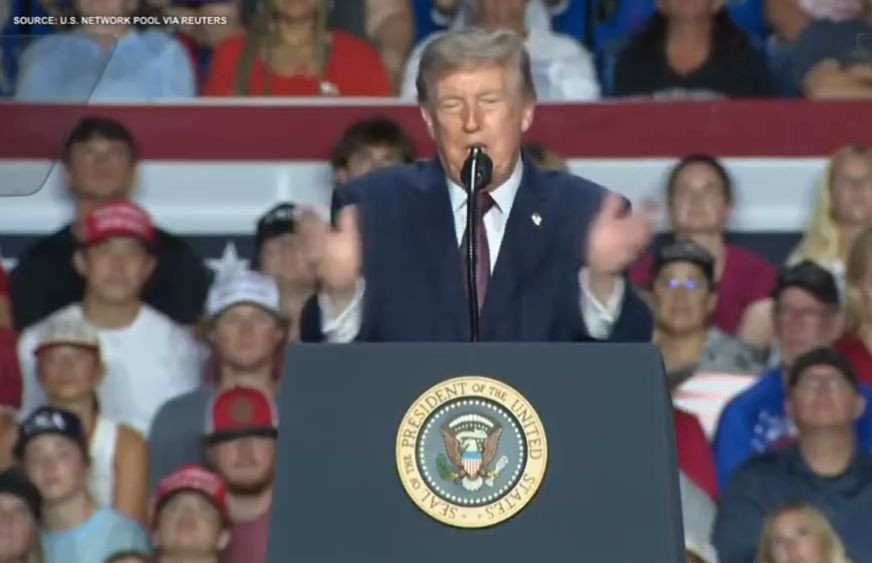
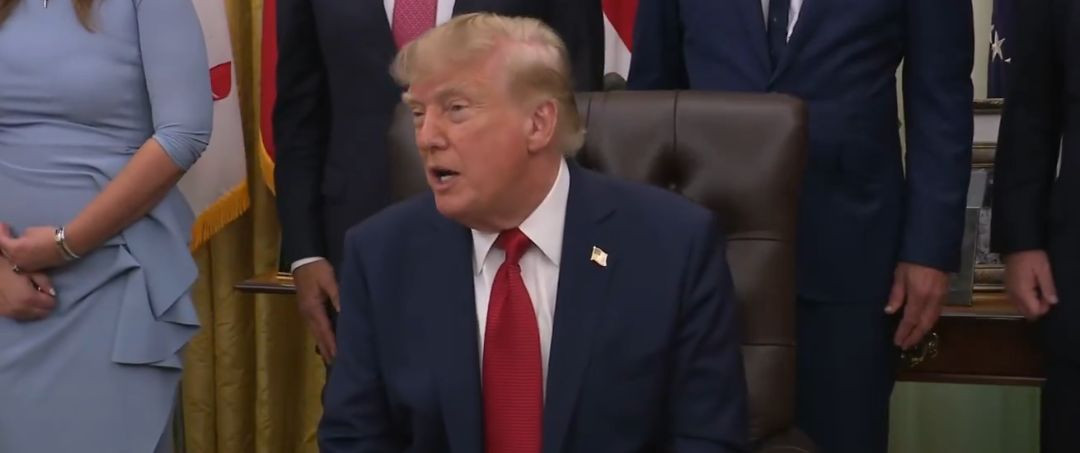
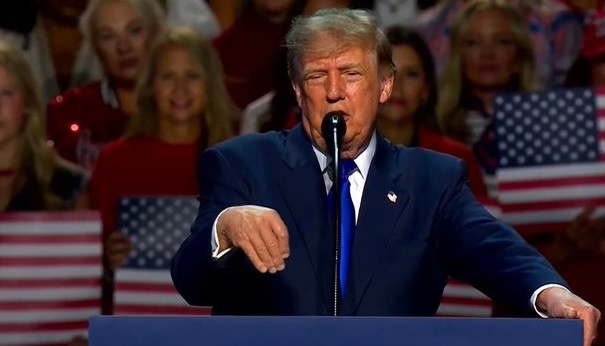
Internationally, his leadership is expected to maintain the same ideological priorities that defined his father’s rule, particularly resistance to Western influence and strong opposition to the United States. Donald Trump has already dismissed the appointment, expressing hostility toward the new leader and reiterating demands that Iran surrender unconditionally in the ongoing conflict. Analysts believe Mojtaba Khamenei is unlikely to seek reconciliation with Washington and may instead double down on the confrontational approach that has long shaped Iran’s foreign policy.
His ties to the powerful Islamic Revolutionary Guard Corps are expected to play a major role in his leadership. Having built relationships with military figures during the Iran–Iraq War and later within intelligence institutions, he is widely viewed as someone who can rely on the loyalty of Iran’s security establishment. This suggests that the Revolutionary Guards will remain deeply influential in state affairs as the conflict continues.
Mojtaba Khamenei was born in 1969 in the city of Mashhad and later studied theology in the religious center of Qom. Over time he obtained the clerical credentials necessary to qualify for Iran’s highest religious and political office. Yet his rise also challenges a longstanding principle within the Islamic Republic that leadership should not become dynastic. Critics argue that the appointment of a Supreme Leader’s son undermines the idea that Iran’s political system is guided by collective clerical consensus.
As Mojtaba Khamenei begins his tenure, the future of the Islamic Republic appears uncertain. Iran faces war abroad, economic strain and political divisions at home. Whether the new Supreme Leader can stabilize the country or whether his leadership will deepen existing tensions remains one of the most consequential questions shaping the region’s future.
You might also like!