Battle Over Jantar Mantar: Supreme Court to Examine Protest Venue
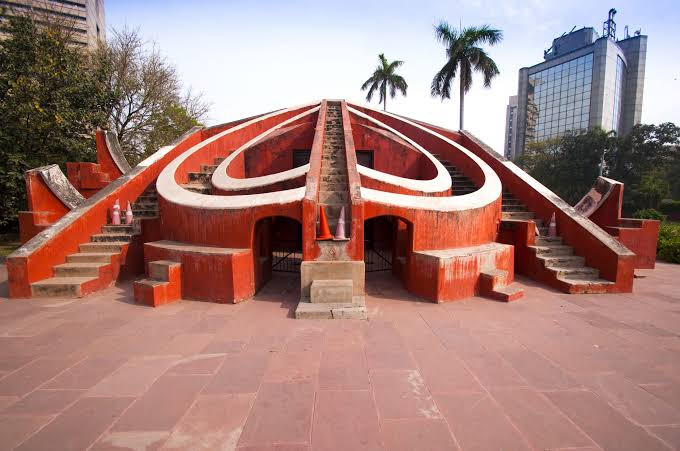
IIE Digital Desk: Jantar Mandir in Delhi has been granted a Public Interest Litigation (PIL) by the Supreme Court, which seeks to determine its suitability for being designated as 'the most suitable venue' for public protests. The case arises at a time when the country has witnessed several prominent protests, including those linked to the purported NEET-UG paper leak, leading to renewed debates on the balance between constitutional freedom of protest and maintaining public order.
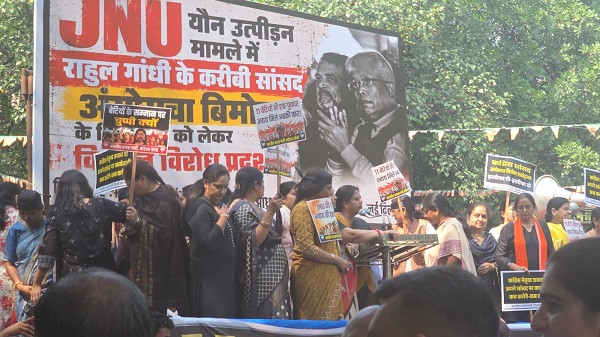
According to the petition, Jantar Mantar in the center of New Delhi is no longer a suitable spot for large parties. It identifies growing traffic congestion, security issues and inconvenience to local people, businesses and offices. It asks for a review of the current site policy on protests and may seek to find alternative venues. The issue was brought back to light after Jantar Mantar witnessed demonstrations by student groups, civil society organisations, about purported irregularities in the NEET-UG exam. Critics called for greater transparency, accountability and reforms in the examination process. Protests during the demonstrations also led to allegations of police abuse, surveillance and clashes between protesters and security forces, resulting in several cases before the Supreme Court and later the Delhi High Court.
The Supreme Court issued a directive last week to prevent the use of coercion by un-lawful students who had taken part in the protests. This is related, however. Despite the circumstances, the court granted permission for investigations to proceed and directed officials to preserve CCTV footage, body-camera recordings of suspects, and other relevant evidence, emphasizing the need for fair and transparent inquiry.
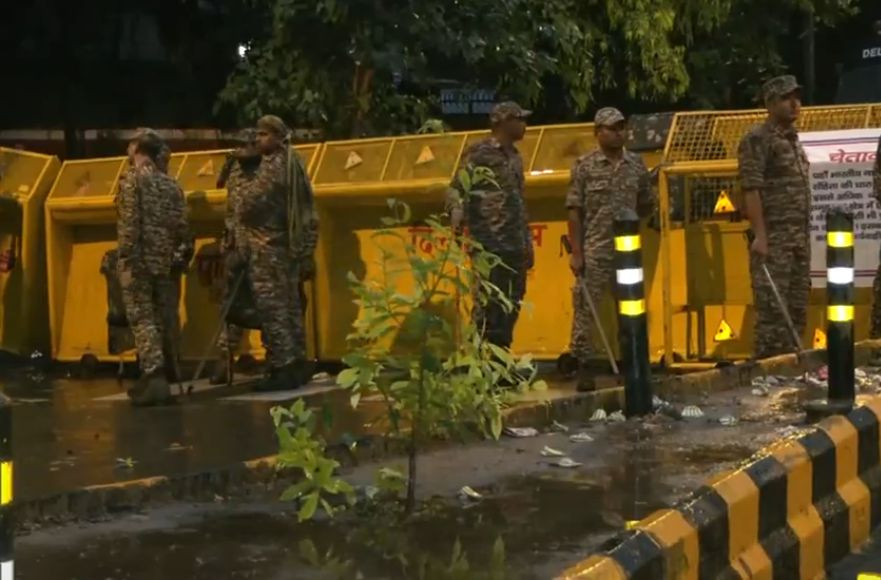
In light of rumors about the future of Jantar Mantar as a protest site, Delhi Police confirmed that the site has not been permanently closed for demonstrations. The authorities reiterated that protests can be conducted if the organizers adhere to the security measures and crowd-management guidelines put forth by the authorities. The Supreme Court's decision to examine the PIL could have significant implications for public demonstrations in the capital. Despite the Constitution's assurance of peaceful assembly, the court decision could lead to greater clarity on how to balance democratic freedoms with public safety and traffic management in urban administration.
With civil rights organisations, student bodies, legal experts and government agencies following suit closely on the proceedings it is expected to be an important step forward in laying out plans for public protests next year in Delhi.
You might also like!