West Bengal Introduces Green Development Model for Sustainable Growth: Amit Mitra
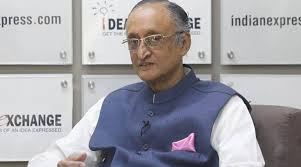
IIE DIGITAL DESK : West Bengal is moving forward with a new green development strategy that integrates environmental protection, renewable energy expansion, and water conservation while also focusing on employment generation and livelihood opportunities, said Amit Mitra, the Chief Advisor to the Chief Minister and principal advisor to the finance department of the state. Speaking at a seminar organized by the Bengal Chamber of Commerce and Industry, he emphasized that the state government’s primary objective is to tackle climate change challenges while simultaneously creating sustainable economic opportunities for the people.
Highlighting the global impact of environmental degradation, Mitra stated that climate-related crises have caused nearly 2.8 trillion US dollars in losses worldwide over the past two decades. Against this backdrop, West Bengal is attempting to build a circular economy model that combines ecological protection with economic development. The state is promoting a balanced growth framework where industrial progress and environmental sustainability coexist. The initiative reflects the government’s long-term vision of green industrialization and climate-resilient development.
One of the major achievements cited during the discussion was the extensive canal and water channel excavation project covering nearly 800 kilometers. Through this initiative, rainwater is being stored to create freshwater ecosystems, which are particularly suitable for shrimp farming. The project has also helped empower women’s self-help groups by enabling their participation in aquaculture activities. According to Mitra, shrimp export from West Bengal has reached approximately 50 million US dollars, demonstrating the economic success of environmentally sustainable agriculture and fisheries development in the state.
The state government is also promoting green transportation and renewable energy infrastructure. West Bengal has witnessed rapid growth in electric vehicle adoption, with more than 262,000 registered green vehicles currently operating across the region. To support this transition, the government has established 805 electric vehicle charging stations throughout the state. Officials believe that expanding charging infrastructure will encourage further adoption of eco-friendly transport and reduce carbon emissions from conventional fuel-based vehicles.
Energy transition and environmental conservation are being treated as interconnected development priorities in the state policy framework. The promotion of green mobility, water resource management, and circular economic practices is expected to strengthen West Bengal’s position as a model region for sustainable development in India.
Experts believe that such initiatives will not only help in combating climate change but also contribute to long-term economic stability. The state government continues to explore innovative solutions that combine environmental responsibility with industrial and social progress, ensuring inclusive growth for future generations while maintaining ecological balance.
You might also like!