
RBI Cuts US Treasury Holdings to Six-Year Low as India Boosts Gold Reserves
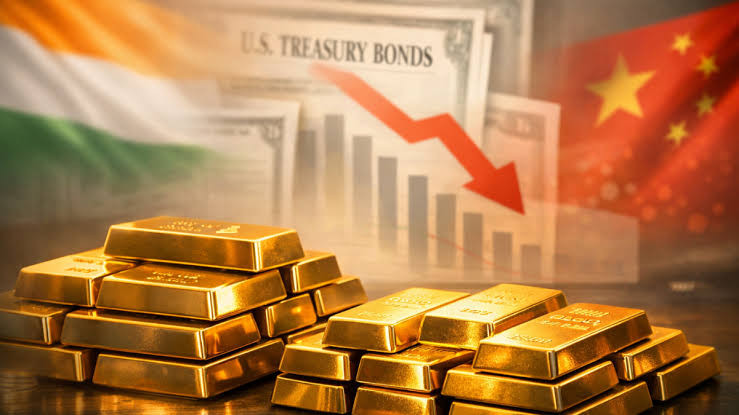
IIE Digital Desk: A significant change has occurred in the Reserve Bank of India's (RBI) strategy for managing India’s foreign exchange reserves, as investment in US Treasury securities fell to a record low after almost six years. The move is part of a wider trend towards diversification, as the central bank has been strengthening its gold reserves and reducing its exposure to US government debt.
In April 2026, the US Federal Reserve revealed that India's equity in US Treasuries had dropped to $181 billion, compared to $232 billion one year earlier. Since May 2020, the country's holdings have remained at around $169 billion, which is a record low.
The RBI's efforts to diversify reserve assets and decrease dependence on dollar-based investments are being cited by market observers as the cause of the decline. Central banks worldwide are reevaluating their reserve holdings as economic uncertainties grow, and India is seemingly following suit. A significant aspect of this strategy is the ongoing pursuit to accumulate gold. Over the last six years, India's gold reserves have experienced a significant surge, increasing from 658 metric tonnes to almost 881 meter tonnes. The estimated worth of these holdings is in excess of $102 billion, highlighting the growing significance of gold in the nation's reserve portfolio.
The advantages of gold as a reserve asset are numerous, according to economists. Government bonds and gold are not directly associated with the economic policies or financial health of any particular nation. Often seen as a safe haven, it can hold value in volatile markets, geopolitical instability, and currency-related shocks.
A wider trend being followed by the RBI also follows suit. In recent times, central banks have been increasing their purchases of gold while gradually decreasing their reliance on US Treasury securities. Why is this? Following geopolitical events and international sanctions, this trend gained momentum and highlighted the need to maintain reserve assets for emergencies. According to experts, the sanctions against Russia in 2022 caused many countries to reevaluate their reserves. This has led to an increase in the interest of central banks in obtaining more security and flexibility when managing national reserves.'
While the reduction in Treasury holdings is noticeable, experts note that India is not completely abandoning dollar-based assets. The reserve management framework of the country still heavily relies on US government securities. The RBI seems to be pursuing a balanced approach by maintaining diversified foreign currency assets, gold reserves, Special Drawing Rights (SDRs), and reserve positions with the International Monetary Fund (IMF).
The RBI's efforts to cope with the global financial crisis are evident in the new figures. By investing in gold while maintaining a diverse collection of global assets, the central bank seeks to solidify India's financial standing and provide reassurance against potential economic fluctuations.
You might also like!