Emily Eden's India: The British Artist Who Preserved a Visual Story of People, Culture and Empire
IIE DIGITAL: A Remarkable Artist Before the Age of Photography
Long
before photography became the dominant method of documenting people, places and
cultures, Emily Eden used her artistic skills to create detailed sketches and
paintings of India. Her works captured the country's diverse communities, royal
courts, landscapes and everyday life during the nineteenth century.
Emily
Eden was not just a traveller observing India from a distance. She was an
artist with a strong sense of curiosity who carefully studied the people and
environments around her. While many European artists of the colonial period
focused mainly on grand monuments, royal families and scenes that highlighted
imperial power, Eden showed interest in a much wider section of Indian society.
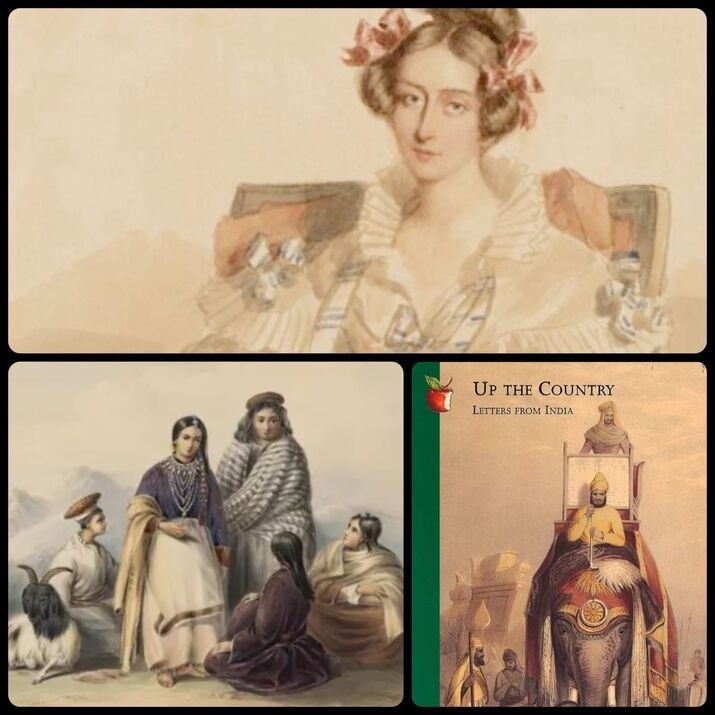
Her sketches reflected the lives of princes as well as ordinary people, including servants, religious figures, warriors, travellers and local communities. Through her artwork, she created a rare visual record of India during a period of major political and social change.
Emily Eden's Background and Connection with British India
Emily Eden
belonged to a prominent British political family. She was the sister of George
Eden, the first Earl of Auckland, who served as the Governor-General of India
from 1836 to 1842.
She
travelled to India with her brother during his official posting and became part
of the British administrative and social circles of the time. However, her
interest extended beyond official events and colonial gatherings. She was
deeply fascinated by Indian traditions, architecture, clothing and the people
she encountered during her travels.
Her years in India became the most important phase of her artistic career. The experiences she gained during her journey inspired her to create some of her most recognised works.
Arrival in India and Initial Challenges
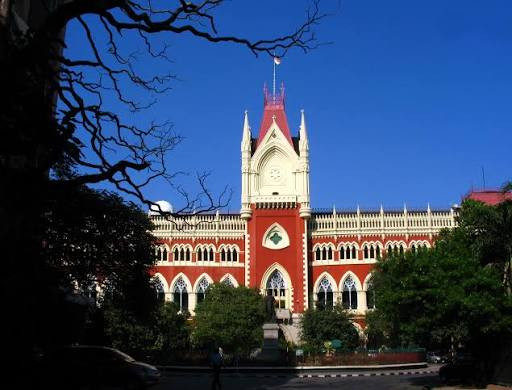
Emily
Eden arrived in Calcutta, now Kolkata, in March 1836. Her arrival was marked by
numerous official responsibilities and unfamiliar experiences. Unlike her later
enthusiasm for Indian life, her early days in the country were filled with
uncertainty and homesickness.
The differences
between British and Indian lifestyles were challenging for her. She struggled
with the intense heat, unfamiliar customs, insects and the constant sounds of
animals around her. The cultural differences made adjustment difficult, and she
did not immediately begin creating artwork.
For several weeks after arriving, she avoided sketching, and it took nearly two months before she completed her first painting in India. However, as she travelled further and became more familiar with the country's people and surroundings, her perspective gradually changed.
A Journey of Discovery Through Art
As Emily
Eden travelled across northern India, her initial discomfort turned into
fascination. She began exploring the country's diverse cultures, traditions and
landscapes through her artwork.
Instead
of limiting herself to subjects that were traditionally considered important by
European artists, she focused on details of everyday life. She observed:
- Traditional clothing and
jewellery
- Different communities and
social groups
- Royal ceremonies and court
life
- Local architecture
- Religious practices
- Landscapes and natural
surroundings
Her artwork reflected her careful observation and ability to capture individual personalities. Each sketch carried details that revealed the identity, status and background of the person being portrayed.
Documenting People Beyond Royal
Courts
One of
Emily Eden's greatest contributions was her decision to portray a wide range of
people rather than focusing only on rulers and aristocrats.
Her
sketches included:
- Indian princes and members
of royal families
- Sikh and Afghan nobles
- Military commanders and
warriors
- Akali warriors
- Servants and attendants of
royal households
- Fakirs and religious
personalities
- Hill communities
- Travellers and ordinary
residents
- Animals that accompanied
royal and imperial journeys
This broad approach gave her artwork a human quality. She recorded not only the powerful figures of India but also the people who formed the everyday social fabric of the country.
Portraits of the Princes and
People of India
Emily
Eden's most significant artistic achievement was the publication of Portraits
of the Princes and People of India in the year 1844.
The
collection contained more than two dozen hand-coloured lithographs based on her
original sketches. These works introduced European audiences to the appearance,
clothing and personalities of Indian rulers and communities.
The
collection became important because it preserved images of Indian society
during a period when political power was shifting rapidly. It offered a
detailed look at royal traditions, cultural practices and social identities of
nineteenth-century India.
Today, these artworks are considered valuable historical and artistic records. The complete published series was highlighted in the exhibition Princes & People at DAG in Delhi, curated by art historian Mary Ann Prior.
Recording the Court of Maharaja
Ranjit Singh
During
her travels between 1836 and 1842, Emily Eden witnessed a period of significant
political change in India. One of the most important subjects of her artwork
was Maharaja Ranjit Singh's court in Punjab.
The Sikh
kingdom under Ranjit Singh was one of the strongest powers in the Indian
subcontinent. Eden's sketches captured the final years of his reign and
provided a rare visual account of Sikh nobles, warriors and court culture.
Her work preserved moments from a period just before major political changes transformed Punjab and expanded British influence in the region.
Emily Eden as a Writer and
Storyteller
Along
with being a talented artist, Emily Eden was also an accomplished writer. Her
journals and letters revealed her sharp observations, humour and interest in
the world around her.
During
her visit to Benares, now Varanasi, she travelled along the Ganges and became
fascinated by the beauty of the river and surrounding areas. The experience
inspired her to continue sketching and recording the places she visited.
Her writings provided detailed descriptions of Indian cities, landscapes, people and customs. They also reflected her personal journey from being unfamiliar with India to developing a deeper appreciation for the country.
Growing Popularity of Her Artwork
Over
time, Emily Eden's artwork gained recognition among British communities in
India. Her paintings were displayed at charity exhibitions in Shimla and
attracted considerable admiration.
Her works
were appreciated for their accuracy, artistic quality and attention to detail.
Some Indian artists even created copies of her paintings, showing the influence
her work had during that period.
Art historians consider her among the finest British women artists of the Regency and Victorian eras. Her achievements are often discussed alongside artists such as Charlotte Canning and Marianne North, who also created important works related to India.
The Contrast Between Observation
and Colonial Beliefs
Emily
Eden's work presents a complex picture of colonial India. On one hand, she
showed genuine curiosity and appreciation for Indian culture, traditions and
people. Her detailed sketches demonstrated respect for the diversity she
witnessed.
On the
other hand, her views were shaped by the colonial attitudes of nineteenth-century
Britain. Like many British officials and intellectuals of her time, she
believed in the idea of Britain's civilising mission in India.
This combination of admiration and imperial perspective makes her work historically significant. Her paintings provide insight not only into Indian society but also into how colonial observers interpreted the country.
Return to Britain and Literary
Contributions
Emily
Eden left India in the year 1842 and returned to Britain. After leaving India,
her artistic focus gradually shifted towards familiar English landscapes and
subjects.
Although
she continued painting, her later works did not achieve the same level of
attention as her Indian sketches. However, she preserved her Indian experiences
through writing.
Her major
literary works included:
- Up the Country (1866), a
collection of letters describing her travels and observations across
India.
- Letters from India (1872),
which shared further reflections on Indian society and her experiences.
These writings allowed her memories of India to reach a wider audience.
Emily Eden's Enduring
Contribution
Emily
Eden died in the year 1869, but her artistic legacy continues to remain
important. Her sketches are not merely portraits; they are historical documents
that preserve the appearance, traditions and lifestyles of nineteenth-century
India.
Her work
provides historians, artists and researchers with valuable insights into a
changing India during the colonial era. Although her perspective was influenced
by the world she belonged to, her dedication to observing and recording India's
people created a unique visual archive.
Through
her art and writing, Emily Eden left behind a remarkable record of India's
cultural richness, royal traditions and everyday life, making her one of the
most significant British women artists associated with nineteenth-century
India.