Uncertainty Over 6 Million Voters Ahead of Bengal Polls as CEO Manoj Agarwal Says ‘No Time to Investigate’
IIE DIGITAL DESK : fresh controversy has emerged in poll-bound West Bengal after the fate of nearly six million voters remains uncertain following the ongoing Special Intensive Revision process. With elections expected to be announced soon, concerns are mounting over whether these pending cases will be resolved before the state heads to the polls. The issue has triggered sharp political reactions as well as public anxiety, particularly after the state’s Chief Electoral Officer appeared largely noncommittal about the matter.
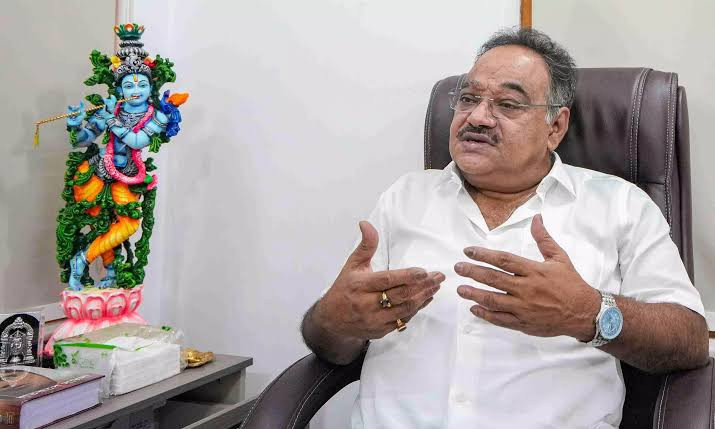
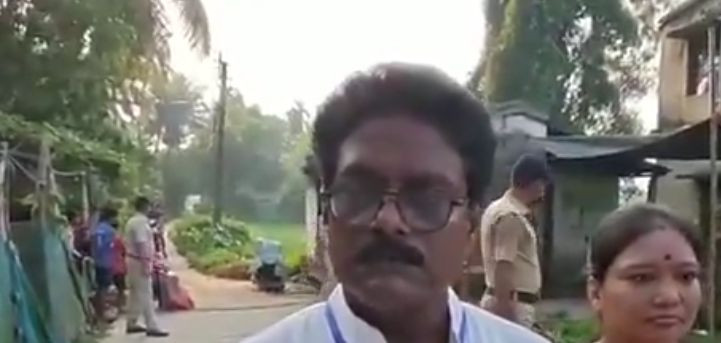
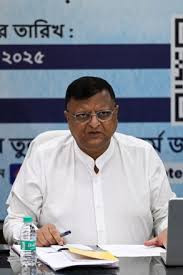
During a media interaction inside the Assembly premises on Thursday, Manoj Agarwal addressed questions regarding the status of the disputed voter records. According to the CEO, out of approximately 6 million pending cases, only around 600,000 have been resolved so far. The fate of the remaining cases, he said, will ultimately be decided by the Election Commission of India. Agarwal stated that the matter has gone beyond the standard provisions outlined in the Special Intensive Revision guidelines and has even reached the Supreme Court of India, describing the situation as “extraordinary” and requiring extraordinary decisions from the Commission.
The controversy began when nearly 5.4 million voter names were reportedly removed during the revision process, leaving about 6 million cases still under adjudication. As the state prepares for a crucial election, questions are being raised about whether voting can realistically proceed before these cases are resolved. Political parties including the ruling All India Trinamool Congress and the opposition Communist Party of India (Marxist) have voiced strong concerns, arguing that the issue could significantly affect the democratic process.
Responding to these criticisms, Agarwal maintained that he does not have the authority to announce election dates and that such decisions lie entirely with the Election Commission. He added that the Commission may not necessarily consult him before making the final call. “Out of the six million cases, six lakh have already been settled. What will happen to the rest will be decided by the Commission when it visits,” he said, emphasizing that the matter is beyond his direct control.
Agarwal also acknowledged that such a large-scale adjudication process is unprecedented in his experience. While some voter form submissions typically remain pending until close to nomination deadlines in every election cycle, he admitted that he has never seen adjudication on such a massive scale. The unusual situation has intensified debate over administrative preparedness and transparency in the voter verification process.
The ruling Trinamool Congress has repeatedly alleged that the revision process is being used deliberately to remove voter names with the support of the Bharatiya Janata Party. However, Agarwal rejected these allegations, stating that action can only be taken if specific complaints backed by evidence are submitted. He also remarked that election officials are currently overwhelmed with responsibilities and do not have the time to investigate every allegation individually without proper documentation.
The Election Commission’s full bench is scheduled to visit West Bengal on March 9 and 10. During the visit, the delegation is expected to meet representatives of various political parties, review security arrangements and assess the preparedness of polling personnel. The team will also hold discussions with senior officials from central paramilitary forces as well as top officers of the state and Kolkata police. The delegation will be led by Gyanesh Kumar.
Following the visit, the Commission is widely expected to announce the election schedule. Yet the unresolved question surrounding the fate of nearly six million voters continues to cast a long shadow over the upcoming electoral process in West Bengal.
You might also like!