Migrants to Return to Bengal in 73 Trains to Cast Votes, BJP Launches ‘Bangla Chalo’ Drive
IIE DIGITAL DESK : Kolkata : West Bengal on April 23, the Bharatiya Janata Party has claimed that migrant workers from across the country are returning to the state in large numbers to exercise their franchise. Under the banner of the “Bangla Chalo” campaign, the party has reportedly arranged reserved tickets for migrant voters on 73 trains bound for West Bengal from Delhi and several BJP-ruled states.
According to party sources in Delhi, the initiative aims to ensure that Bengali migrant workers living and working in different parts of the country are able to travel back home in time to vote. In addition to train reservations, the BJP has also arranged air-conditioned buses and large vehicles to transport voters to their respective constituencies after they arrive in the state. Several buses and vehicles carrying migrant voters have already begun their journey toward West Bengal.
Sources within the party have indicated that these migrant voters are expected to reach as many as 152 constituencies before the first phase of voting. The scale of the logistical arrangements reflects the high stakes surrounding the upcoming elections and the party’s strategy to maximize voter turnout among its perceived support base.
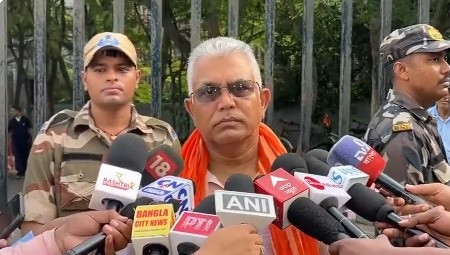
Speaking on the development, West Bengal BJP president Samik Bhattacharya stated on Monday that thousands of Bengalis are responding to what he described as a call for change. He emphasized that those returning are legitimate voters of West Bengal who currently reside in cities such as Delhi, Noida, Ghaziabad, and Faridabad, as well as in other states across the country. According to him, the party has merely facilitated their travel to ensure that they can exercise their democratic rights without logistical obstacles.
The initiative was reportedly conceptualized earlier by the BJP’s central leadership, which issued guidelines to its state units in Delhi, Uttar Pradesh, Rajasthan, Haryana, Maharashtra, Madhya Pradesh, and Chhattisgarh, among others. Following these instructions, local party leaders in those states began coordinating efforts to identify migrant voters and assist them with travel arrangements.
For many migrant workers, returning home to vote carries emotional and political significance. Dinesh Das, who works as a factory labourer in Greater Noida, said he decided to travel back to Bengal to participate in the election process. He remarked that the current situation in the state has made it essential for working-class citizens like him to cast their votes, reflecting a sense of responsibility toward shaping the future of their home state.
The “Bangla Chalo” drive has added a new dimension to the political contest in West Bengal, highlighting the importance parties are placing on voter mobilization beyond state boundaries. As election day approaches, the large-scale movement of migrant voters could influence turnout figures in key constituencies, particularly in closely contested seats.
With preparations intensifying on all fronts, the return of thousands of migrant voters underscores the broader narrative of political engagement and competition that is defining the current electoral season in West Bengal.
You might also like!